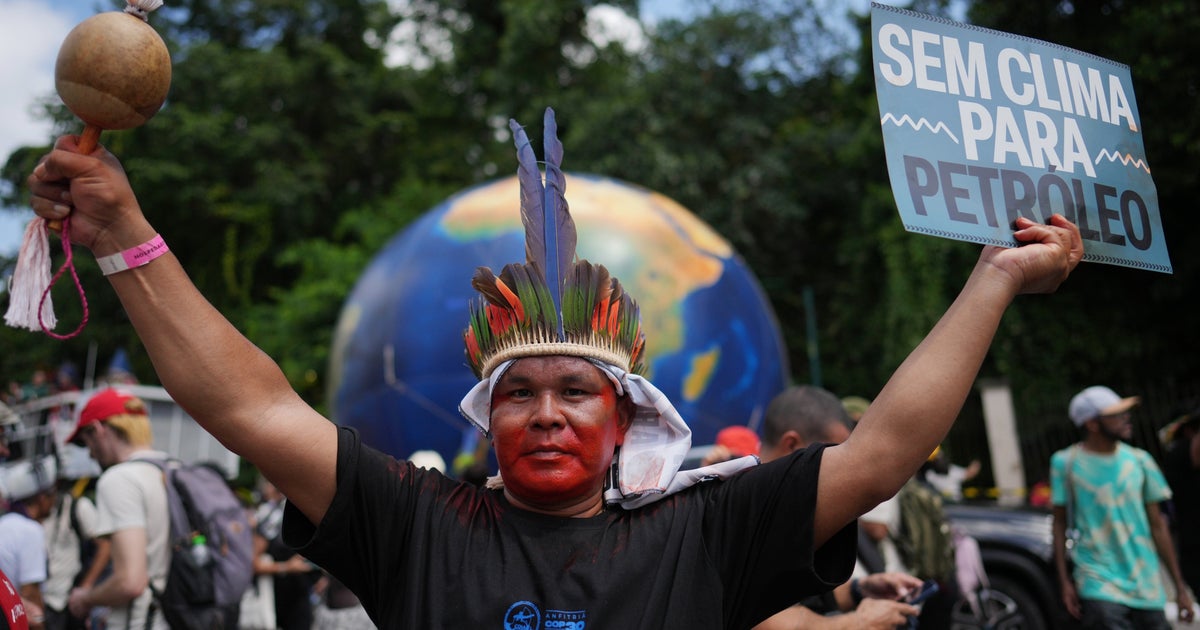
Indigenous People Reflect On What It Meant To Participate In COP30 Climate Talks
HuffPost
Many who attended the UN summit in the Amazon liked the solidarity and small wins, but some felt the talks fell short on representation and true climate action.
BELEM, Brazil (AP) — Indigenous people filled the streets, paddled the waterways and protested at the heart of the venue to make their voices heard during the United Nations climate talks that were supposed to give them a voice like never before at the annual conference.
As the talks, called COP30, concluded Saturday in Belem, Brazil, Indigenous people reflected on what the conference meant to them and whether they were heard.
Brazilian leaders had high hopes that the summit, taking place in the Amazon, would empower the people who inhabit the land and protect the biodiversity of the world’s largest rainforest, which helps stave off climate change as its trees absorb carbon pollution that heats the planet.
Many Indigenous people who attended the talks felt strengthened by the solidarity with tribes from other countries and some appreciated small wins in the final outcome. But for many, the talks fell short on representation, ambition and true action on climate issues affecting Indigenous people.
“This was a COP where we were visible but not empowered,” said Thalia Yarina Cachimuel, a Kichwa-Otavalo member of A Wisdom Keepers Delegation, a group of Indigenous people from around the world.


Here’s what eco-dietitians want everyone to take away from the Vital Farms egg controversy, and what labels to look for at the store.

There are scores of toothpastes available on the shelves, but dentists say there are right and wrong options.

Yes, there's a high likelihood that your parents and grandparents are still having sex.

Doctors share their thoughts on what’s normal when it comes to gas and what needs to be checked out.

The United States is getting slammed by a stretch of weather extremes.

There’s a useful chart that can help you determine if your stool falls into a healthy or not-so-healthy category.

If you and your friends still keep tabs on that girl from high school, this is for you.

These lazy (but legit) meals are homemade as hell, and much more satisfying than takeout.

You'll need a portable phone charger, compact backpack and some first aid before you pack up and go on a trip outside the country.

With TSA officers working without pay and spring break travel ramping up, experts offer tips to reduce stress and avoid missing flights.

This stowaway truly was sly as a fox.

Talking to friends about your feelings and frustrations can be healthy — but experts warn you should look out for a few damaging traps.

There's good news and there's bad news. This will help you make some sense of it.