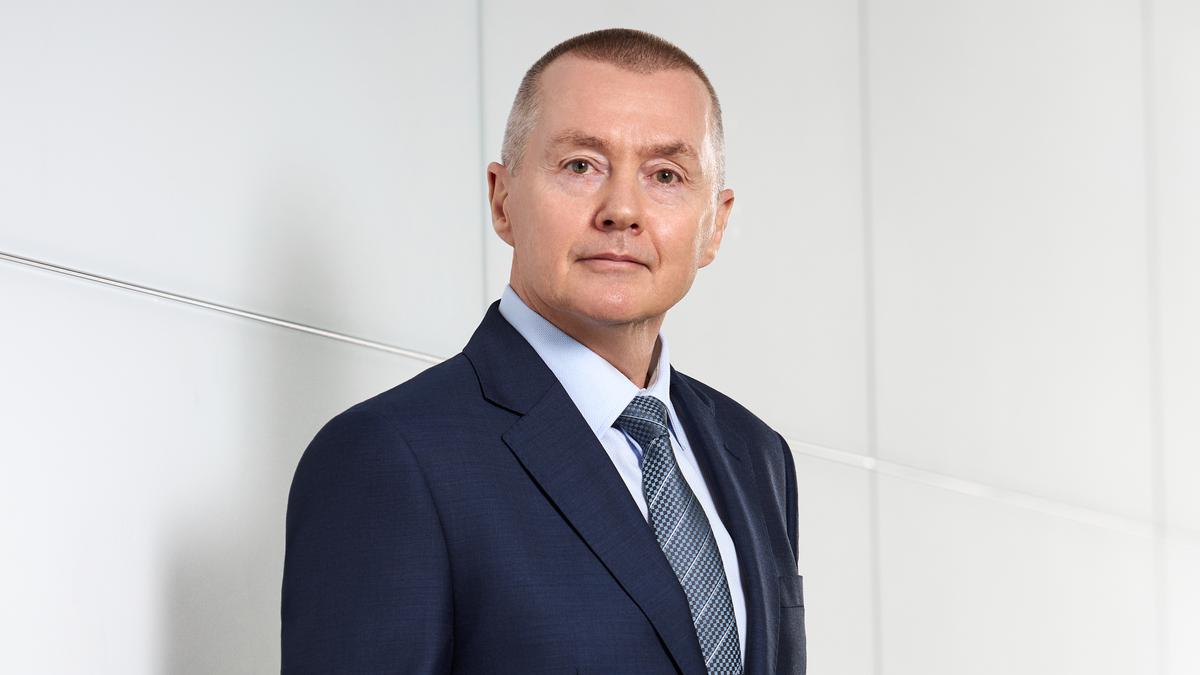
India’s refusal to revise bilateral rights will result in restrictions by others: IATA DG
The Hindu
India’s refusal to revise bilateral seat allocations for international flights despite demands from several countries reflects an “old protectionist India”
India’s refusal to revise bilateral seat allocations for international flights despite demands from several countries reflects an “old protectionist India” that could result in others retaliating and restricting access for Indian airlines which in turn will hamper India’s ambition to develop a global airport hub, warns the Director General of global airlines body IATA, Willie Walsh.
“With the ambition to expand will come the need to allow more competition into India but you are not going to get the response from other countries if you have a restricted bilateral. Other countries will restrict capacity as well,” Mr. Walsh told The Hindu in an exclusive interview at the IATA’s headquarters in Geneva.
The International Air Transport Association (IATA) represents 300 airlines globally. Mr. Walsh’s comments come at a time airlines such as Emirates, and Turkish Airlines have demanded a revision of bilateral rights. Emirates CEO Tim Clarke said recently that India’s refusal to allow Gulf carriers more flights into India could result in losses of “$800 to $900 million” for Indian airlines who too would be deprived of reciprocal rights. Minister for Civil Aviation Jyotiraditya Scindia has ruled out a revision of bilateral seat allocations.
Mr. Walsh said that the demand from various airlines such as Emirates and Qatar for additional seats or flights within the bilateral agreements were due to “demand for air travel significantly outstripping the services available,” and therefore the ultimate loser will be the consumers who are forced to pay higher airfares because of fewer flights.
Mr. Walsh rued that the government’s policy reflected “old protectionist India” which didn’t have a national airline that was capable of competing at a global scale.
“Going forward people should be more ambitious and confident and believe that Air India is capable of competing on a level playing field,” he said. He said that the potential for growth in India was massive and that though its domestic market was at third place after US and China, it only accounted for 2% of global revenue passenger kilometres [the number of revenue passengers multiplied by the total distance traveled], while in China it was 9.8% of global RPKs.
In an exclusive interview with Jagriti Chandra at IATA’s Headquarters in Geneva, its DG Wille Walsh says India’s decision to not respond to demands for revising bilateral seat allocations could result in other countries responding with restrictions for Indian airlines. He also speaks about challenges pertaining to pilot shortages as well as the new confidence in the Indian aviation market following the massive Air India aircraft order.


India monitors U.S. military pause on Iran as oil prices dip; External Affairs Minister engages with GCC nations for support.

India monitors U.S.-Iran tensions as Trump pauses attacks, leading to a significant drop in oil prices.

Union Minister Ashwini Vaishnaw launches three initiatives to enhance India's creative economy through AI training, citizen platforms, and advanced tech access.

Two Indian-flagged LPG tankers approach the Strait of Hormuz, navigating safely amidst regional tensions to reach Indian ports.

Gold and silver prices plummet over 7% due to West Asia tensions, inflation fears, and a stronger dollar.

Asian shares fall as rising oil prices and escalating Iran conflict diminish hopes for U.S. interest rate cuts.

Japan's SoftBank Group said Saturday it plans to build a huge new gas-fired power plant in the US state of Ohio

Silver prices plunge 9% to ₹2.06 lakh per kg in futures trade amid weak global cues and rising macroeconomic pressures.

OpenAI plans to nearly double its workforce to 8,000 from 4,500 by the end of 2026, the Financial Times reported on Saturday, citing two people with knowledge

Global equity markets plummet as West Asia tensions rise and oil prices surge, triggering significant investor anxiety.

The rupee hits a record low of 93.94 against the dollar amid foreign fund outflows and a crashing equity market.

The Thane police have arrested two co-founders of cryptocurrency exchange platform CoinDCX in connection with an alleged fraud of Rs 71.6 lakh, officials said

Meta Chief Executive Mark Zuckerberg is building a CEO agent to help him do his job, the Wall Street Journal reported