In times of bad auto industry news, is VW's St. Thomas battery plant still viable?
CBC
Despite a series of bad auto industry news in recent weeks, Volkswagen says it's all systems go for the company's plans to build a massive electric vehicle battery plant in St. Thomas, Ont.
This week the company announced foundations were being poured for three buildings that together will form the massive, 850,000-square-foot plant northeast of St. Thomas.
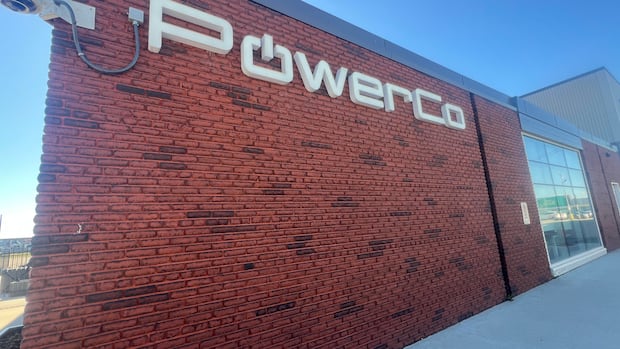
The plant being built by PowerCo, a subsidiary of Volkswagen, is on a hiring blitz with plans for the plant to support 3,000 workers once production starts in 2027.
The company's chief hiring officer Norman Wickboldt was interviewed in a YouTube video by St. Thomas Economic Development recently, saying PowerCo has hired about 250 people, many of them working out of the company's temporary office in downtown St. Thomas.
Wickboldt said there should be 400 people working there by the year's end, and hiring ramps up for shop floor workers, engineers and other positions in the new year.
"Everybody who’s interested in working for PowerCo can definitely contact us," Wickboldt told the interviewer. "It's going to be a great place to work because we offer great job packages and are interested in the long-term personal development of our employees."
In contrast to the positivity are two news stories from earlier this month that suggest Canada's auto production industry — and the electric vehicle industry in particular — are facing big challenges.
Last week GM announced they would halt the production of electric delivery vans at the company's assembly plant 30 minutes away in Ingersoll. While Stellantis is set to move production of the Jeep Compass SUV out of its Brampton, Ont., assembly plant and into another plant in Illinois.
So are Volkswagen's plans to build the St. Thomas battery plant, supported by billions in taxpayer money, still a good idea? Or will the current optimism surrounding PowerCo eventually short out, along with the BrightDrop GM plant in Ingersoll?
Andreas Schotter, a professor of international business at Western University's Ivey School and a former automotive industry executive, puts himself in the cynical camp.
"We are seeing unfortunately more or less the final exodus of the North American model of car manufacturing from Canada right now. It’s sad," Schotter told CBC News Tuesday.
Schotter sees a number of challenges for VW's plans for St. Thomas.
Overall, he said the North American market and government policies in Canada and the U.S. are no longer embracing EVs like they were a few years ago.
He said there continue to be problems including access to charging infrastructure, questions about vehicle range, and the high price of EVs for cash-strapped consumers.


Finance Minister Eric Girard is set to table Quebec’s provincial budget on Wednesday — less than a month before the Coalition Avenir Québec (CAQ) chooses a successor to Premier François Legault.

Manitoba's finance minister says the NDP is funding education adequately, yet won't acknowledge some school divisions are raising taxes because they feel provincial funding hasn’t kept pace.

Saskatchewan's Serious Incident Response Team (SIRT) says an RCMP officer who struck a teen with a police truck during a high-speed chase on Kawacatoose First Nation last year should not be charged.

Finance Minister Jim Reiter unveiled his footwear for Wednesday's provincial budget: The same black shoes as last year.

A new report by the Alberta Council of Women's Shelters highlights the importance of investing in transportation in rural parts of the province in order to save lives.

B.C. Premier David Eby has signalled he won't support the federal government's move to temporarily increase rural employers' allowances for temporary foreign workers, saying there should be a pathway to permanent residency instead.

P.E.I. Progressive Conservative MLA and cabinet minister Mark McLane has died, with Premier Rob Lantz paying tribute to his colleague as someone who could always be counted upon.

Whitehorse city council is considering a proposal to study 14 lots throughout the city for housing development.

In the closing days of the NDP leadership race, Avi Lewis's past activism has resurfaced. But the front-runner's campaign is standing by his past work and a decade-old vision that's been both criticized within the New Democrats' ranks and weaponized by their opponents.

Some rural municipalities want the province to know ambulance response times and basic care in their communities are not meeting the mark.

The sighting of a sniper on Saturday during St. Patrick’s Day celebrations in Waterloo was met with fear and shock by some partygoers, but one policing expert says this was a proactive measure designed to keep the crowd safe.

A 25-year old Prince Edward Island man has been sentenced to six months in jail for firearms offences.

Closing schools, stalled housing starts — not common headlines in Alberta's booming cities.