In Sri Lanka’s hill country, expectations low ahead of presidential polls Premium
The Hindu
Following decades of marginalisation, Malaiyaha Tamils, who were further hit by Sri Lanka’s economic crisis, see no imminent respite after the election
“There is little to look forward to in Sri Lanka,” says Kathir*, who will board a plane to Dubai later this month for an electrical maintenance job, leaving behind his parents, wife and two children. “There’s no other option,” says the 35-year-old, who paid 4,00,000 SLR (roughly ₹1,11,500) to an agent to get on a list of workers seeking employment abroad.
Weeks after his planned departure, Sri Lanka will go to the polls to elect a new President. Citizens will have a say for the first time since the painful economic crash in 2022, when they took to the streets amid acute shortages and long power cuts. The mass uprising booted out former President Gotabaya Rajapaksa, who fled the country and resigned.
“How does it matter who comes to power, when our situation remains the same?” Kathir asks dejectedly. Even with two jobs, as an electrician and autorickshaw driver, he struggles to support his family in the central Kandy district, which is teeming with tourists.
ALSO READ:Remember our history, recognise our labour, say Sri Lanka’s Malaiyaha Tamils
The government is targeting more visitors, so the dollars they bring can refill its coffers that ran dry two years ago. Further, it is hoping to boost its foreign exchange earnings from exports and remittances of workers — $ 5.9 billion in 2023 — who have flown out. Nearly 75,000 workers have left the country in the first quarter of 2024, after some 6 lakh people left during the preceding two years, a stark increase in departures, data published by the Sri Lanka Bureau of Foreign Employment showed.
President Ranil Wickremesinghe, who replaced Mr. Gotabaya, is seeking a mandate to take forward his government’s economic recovery programme. He unfailingly reminds the electorate that fuel queues have vanished, there is no shortage of gas, and the country is on the path to recovery with the nearly $3 billion International Monetary Fund package he signed. He claims credit for restoring stability. Meanwhile, tens of thousands like Kathir are leaving the country to escape precarity.
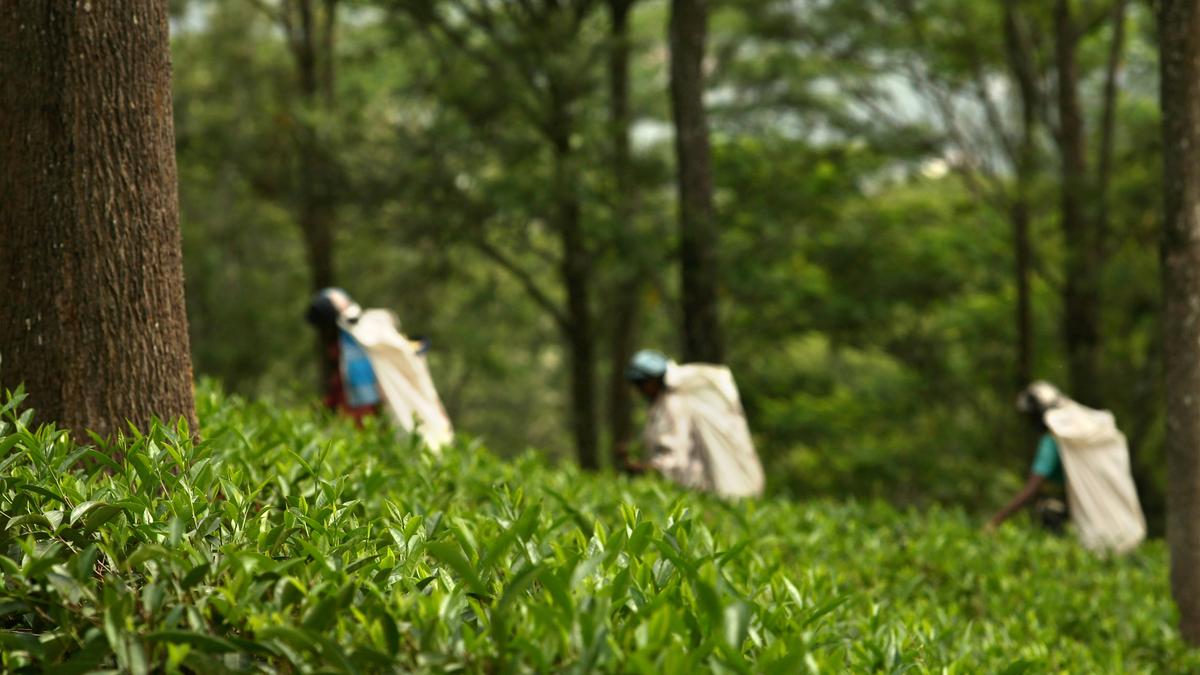
Families like his, living in the towns of Sri Lanka’s hill country, may still be relatively better off, compared to those working and residing on the tea estates, according to Ponniah Logeswary, of the Kandy-based Human Development Organization, a non-profit working in plantations and rural areas. “Their plight is dire,” she says.


Trump urges Iran to finalize a meaningful nuclear deal within 10 days, amid escalating military tensions and potential conflict.

Tensions escalate in West Asia as the U.S. and Iran bolster military presence amid looming decisions on potential strikes.

Pakistan issues demarche to Taliban over Afghan soil used for deadly terror attack, demanding action against terrorist groups.

Jose Maria Balcazar is appointed as Peru's interim President, marking the eighth leadership change in a decade amid political turmoil.

UN probe reveals 'hallmarks of genocide' in El-Fasher, condemning atrocities during Sudan's ongoing conflict and calling for justice.

Iran asserts its right to nuclear enrichment, dismissing foreign attempts to limit its nuclear program amid rising tensions with the U.S.

Unknown gunmen kill three militants linked to recent attacks on government officials in northwest Pakistan, police report.

As Ramzan approaches, Muslims around the world prepare for renewed spiritual discipline. A quiz on the holy month

Unitree, a private company started by tech entrepreneur Wang Xinxing (36) who designed his first robot at university, said this week it plans to sell as many as 20,000 humanoid robots this year, an almost four-fold rise from 2025

India has added its name to the list of countries criticising Israel for its unilateral measures on the West Bank.

Russia calls for restraint amid rising U.S. military presence near Iran, urging diplomatic solutions to escalating tensions.

Former Prince Andrew arrested by U.K. police for suspected misconduct related to allegations involving Jeffrey Epstein.

Test your knowledge on how countries got their names with our engaging quiz featuring fascinating etymological insights!