How landscape memory, hysteresis shape the way Indian cities flood Premium
The Hindu
Explore how hydrological hysteresis shapes flooding patterns in Indian cities, revealing landscapes' memory of past rainfall.
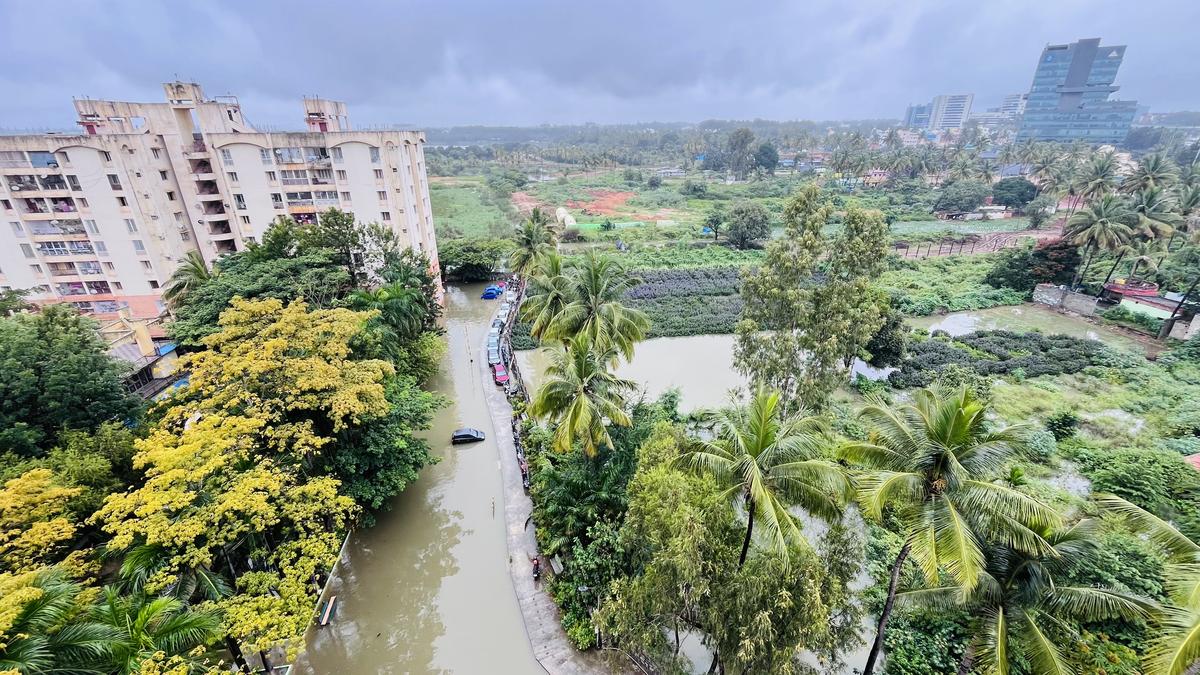
Rain comes down steadily, painting the skies a dull grey and sending a chill breeze wafting through the windows of high-rise buildings. On the street below, water creeps out of cracks and pores.
Next to the highway lies a lake but the boundary between water and land has blurred. What was once contained spreads across the wetland, dampening the mud path joggers run on, seeping into the road beneath the churning wheels of buses, cars, and motorcycles.
It is water that seems out of place, yet it moves with familiarity, following paths the land remembers long after they have been paved over.
What does it mean for a landscape to remember rain?
In cities across India, streets remain waterlogged long after the downpour has passed.
These familiar scenes are often dismissed as failures of human-made drainage systems or excess rainfall. But hydrology offers an additional insight: landscapes don’t respond to rain instantly or forget it quickly. Instead they retain a memory of past rainfall, shaping how water moves through soils, wetlands, rivers, and cities.


Kauvery Group launches GI Bleed Centres in Tamil Nadu and Karnataka, enhancing emergency care for life-threatening gastrointestinal bleeding.

Dalit Left communities and STs in Karnataka prepare protests against recruitment cap affecting reservation rights and internal quotas.

Samson — from an enigma to a superking

IndiGo will operate 10 relief flights to Jeddah, while Air India Express resumes Oman services amid Gulf flight disruptions.

Karnataka's Archakas' federation demands a thasthik increase to ₹10,000 and better support for temple staff and resources.

The Marwadi community celebrates 'Holika Dahan' on Vizag beach, marking the victory of good over evil before Holi.

Devotees flock to Kumbakonam's Mahamaham tank for a holy dip, celebrating ‘Maasi Maham’ with fervent rituals and processions.

C.P. Radhakrishnan highlights Tamil's global recognition under Modi, emphasising cultural unity despite historical divisions in India.

Southern Railway approves four-lane widening at Pandeshwara level crossing, enhancing safety with a new automatic gate system.

Madras High Court overturns order expanding Thalikku Thangam scheme eligibility, limiting it to those earning below ₹6,000 monthly.

Justice Swaminathan recommends allowing five people to offer symbolic prayers at Thirupparankundram following a court order and apology.

Glenn McGrath not surprised by Australia’s early exit

Syed Hakim Raza emphasizes the need for peace and diplomacy to restore India-Iran trade and regional stability after Khamenei’s assassination.