How Iran war could create ‘fertiliser shock’ – often ignored global risk to food prices, farming Premium
The Hindu
Iran's potential closure of the Strait of Hormuz could trigger a global fertiliser shock, threatening food security and increasing prices.
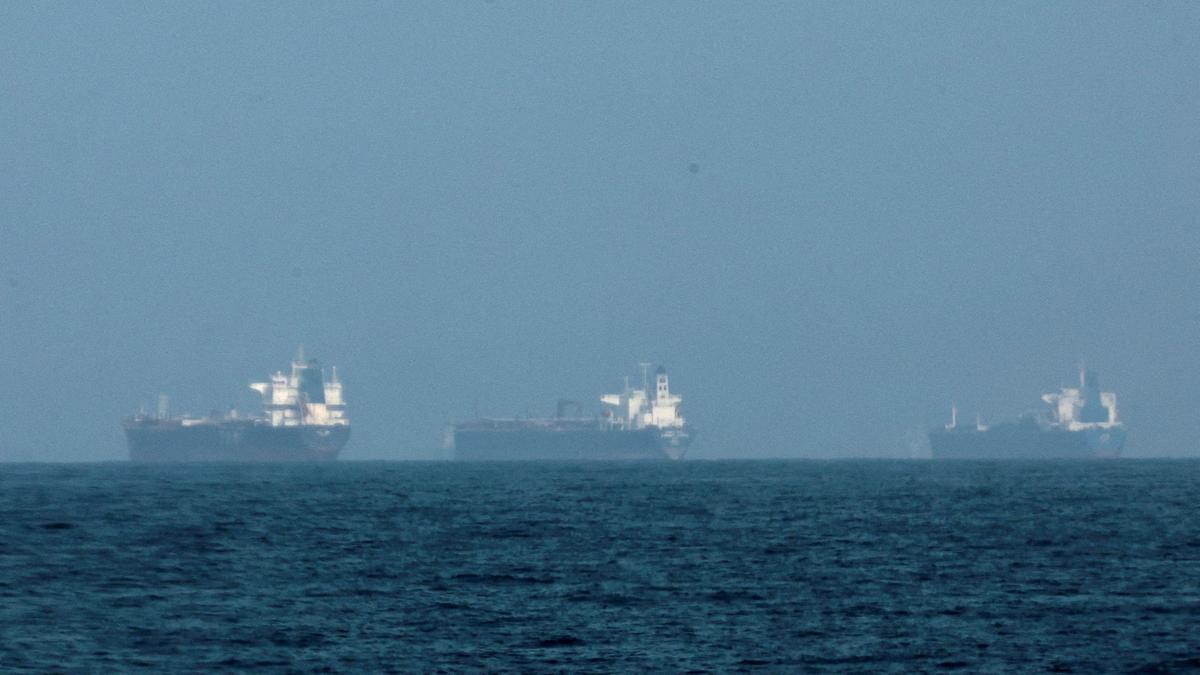
Tehran is moving to restrict – or effectively close – the Strait of Hormuz to shipping, as part of the latest escalation in the war involving Iran.
Markets have reacted to the global impact of closing this incredibly busy shipping channel, focusing on the risk to oil and gas flows, the prospect of higher crude prices and the inflationary pressures that would follow.
West Asia conflict oil hike, market reactions LIVE: U.S. urged India to buy Russian oil already at sea to ease supply fears
That concern is justified. But it captures only part of the story. A sustained disruption of traffic through Hormuz would not simply constitute an energy crisis.
It would also represent a fertiliser shock (where prices go up dramatically and supply goes down) – and, by extension, a direct risk to global food security.
Modern agriculture runs not only on sunlight and soil, but on natural gas. When German chemists Fritz Haber and Carl Bosch developed their nitrogen fixation method in the early 20th century, they did more than just manufacture ammonia at scale.


U.S. detects unidentified drones over Fort McNair, prompting officials to consider relocating Rubio and Hegseth amid security concerns.

FBI probes whether ex-counterterrorism official Joe Kent leaked classified info amid ongoing DOJ investigations into Trump critics.

Democrats walked out of a Justice Department briefing on Epstein files, demanding Attorney General Bondi testify under oath.

Iran-Israel war: Follow live updates from The Hindu on the West Asia conflict on March 19, 2026

U.S. Intelligence warns that India-Pakistan relations pose nuclear conflict risks, despite recent de-escalation efforts by President Trump.

U.S. eases sanctions on Venezuela's oil, allowing sales to boost global supply amid rising prices during the Iran conflict.

U.S. considers troop deployments as Iran war escalates, evaluating options to secure oil passage and strengthen military operations.

Pakistan and Afghanistan agree to a temporary ceasefire for Eid celebrations amid escalating conflict and recent deadly strikes.

Iran threatens retaliation against Gulf energy facilities following U.S.-Israel strikes, escalating tensions in the region.

Iran arrests over 100 alleged monarchist and spy networks amid ongoing conflict, as authorities intensify crackdowns across the nation.

Indonesia arrests four military officers linked to an acid attack on activist Andrie Yunus, sparking calls for an independent investigation.

Sri Lanka's Minister Bimal Rathnayake announces support for Indian refugees, urging political sensitivity from Tamil Nadu and India.

Trump temporarily waives maritime law to lower energy costs amid rising gasoline prices from the Iran-Israel conflict.