How drones are the new face of warfare
The Hindu
India's adoption of UAVs in combat, countermeasures, and the evolving drone warfare landscape analyzed by strategic affairs analyst Pushan Das.
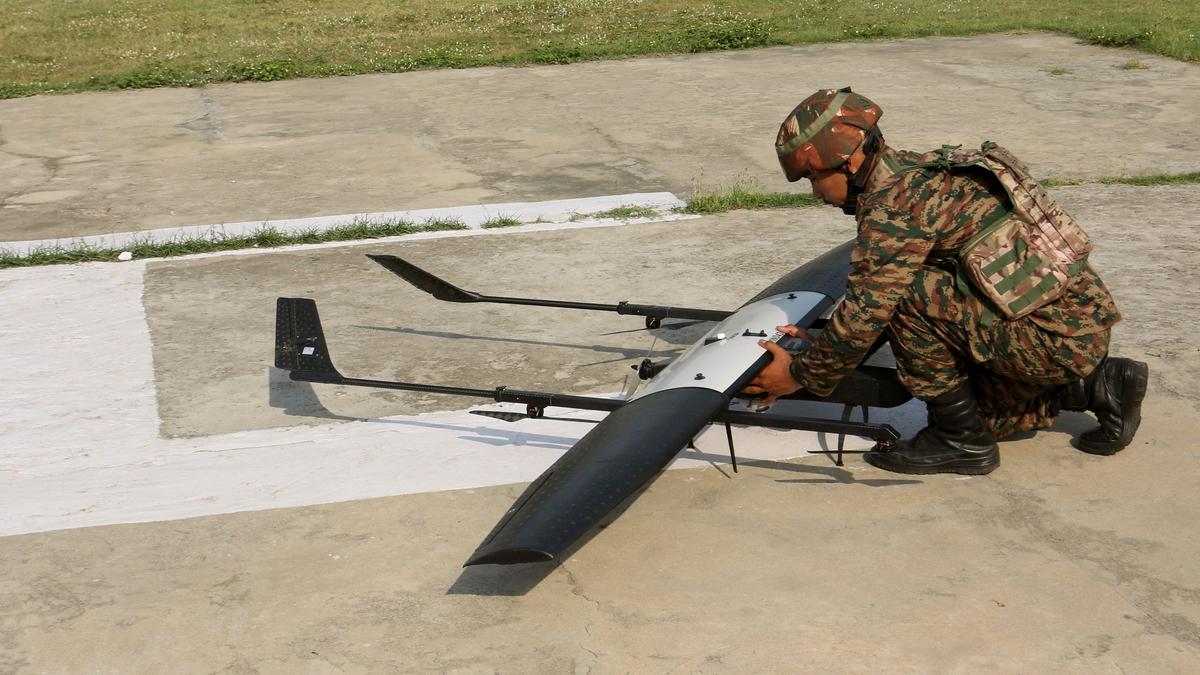
India’s Operation Sindoor in the wake of the Pahalgam terror attack has marked a notable shift in the country’s adoption of Unmanned Aerial Vehicles (UAVs) in combat. In combination with standoff weapons, India’s use of UAVs in active combat represents a tactical shift in military doctrine — part of a global playbook. Ukraine’s Operation Spider Web also marks a turning point in how low-cost, improvised unmanned systems can be employed with strategic impact.
The ubiquitous drone is rapidly becoming the weapon of choice serving as a force multiplier to achieve strategic objectives while blurring the distinctions between military-grade and commercial technologies. Building resilience in drone warfare requires India to build modularity and redundancy in mass produced drones, and nurture a responsive defence production base.
The Nagorno-Karabakh War in 2020 provided one of the first demonstrations of how drones can change the nature of aerial warfare with new capabilities. Azerbaijan’s success hinged on the use of loitering munitions or Kamikaze drones, like the Israeli-made Harop drones, in destroying air defences.
Additionally, the war in Ukraine has emerged as a real-world laboratory for drone technology, with rapid innovation and counter innovation cycles defining modern warfare. However, Ukraine’s most obvious innovation was the country’s ability to produce and deploy a wide variety of drones. In Myanmar also, rebel groups are deploying 3D-printed drones against a better-equipped military, levelling the playing field.
As India continues to reform and modernise its military, learning and applying the right lessons from recent conflicts, including Operation Sindoor, is key. Among New Delhi’s adversaries, China already has a large and diverse fleet of unmanned systems, which could provide it with an edge in a potential war along the Line of Actual Control (LAC). Pakistan too has bolstered its unmanned weapons capabilities through collaborations with China and Türkiye.
Drones are vulnerable to many countermeasures such as electronic warfare, guns and air defences. The impact of drones, therefore, depends on its ability to evade or overwhelm defences against them.
Countermeasures against drones in the form of air defences come with limitations and vulnerabilities and can be defeated through a range of technologies and tactics, making innovation and counter-innovation a critical part of drone warfare. India’s counter-drone systems include multilayered sensors and weapon systems, as well as indigenously developed soft- and hard-kill counter-UAV systems. Both played a crucial role in thwarting Pakistan’s drone and missile attacks in the recent flareup of hostilities.


Shorts News:‘Over 2.44 lakh Indians returned from Gulf so far’

Oppo on Tuesday launched the new K series smartphone in India for the mid segment buyers, the new Oppo K15 5G, featuring IP66, IP68 and IP69 ratings for dust, water immersion, and high-pressure hot water jets resistance

NCTP members oppose amendments to the Transgender Persons Act, citing lack of consultation and potential harm to transgender rights.

AIADMK MP C.Ve. Shanmugam faces backlash for derogatory comments about a female actor during an NDA protest in Villupuram.

Urea shortage disrupts farming in Tiruchi as demand spikes during critical sowing period, affecting supply at private outlets.

While granting bail to the tantri in February, the Vigilance Court had observed that the SIT failed to produce substantive evidence to support the allegations levelled against him

Gujarat's panel submits UCC report to CM Patel, paving the way for a draft bill in the ongoing Budget session.

Edappadi Palaniswami criticises the DMK government for failing to file an FIR on cash-for-jobs allegations, seeking High Court intervention.

Cookbook author Sabita Radhakrishna gives us tips on utilizing smart kitchen gadgets you probably already own to make easy meals without using LPG, from an induction stove to her trusty instant pot

Madras High Court postpones PMK intra-party dispute hearing until after Tamil Nadu and Puducherry elections conclude, on May 10.

TMC to contest 291 seats in Bengal polls, confident of winning over 226, announces Mamata Banerjee amid fierce competition.

Legendary screenwriter Salim Khan, the creative mind behind Bollywood classics like ‘Sholay’ and ‘Deewar’, is back home after a health scare that had fans worried

Election Commission deploys observers for Tamil Nadu Assembly poll to ensure free and fair elections in 234 constituencies.