How an altered protein and fussy neurons conspire to cause microcephaly Premium
The Hindu
Microcephaly, a condition with small head and brain, is linked to SASS6 gene mutations, affecting brain development.
Microcephaly is a condition in which a baby’s head is much smaller than normal. Most children with microcephaly also have a small brain, poor motor function, poor speech, and abnormal facial features, and are intellectually disabled.
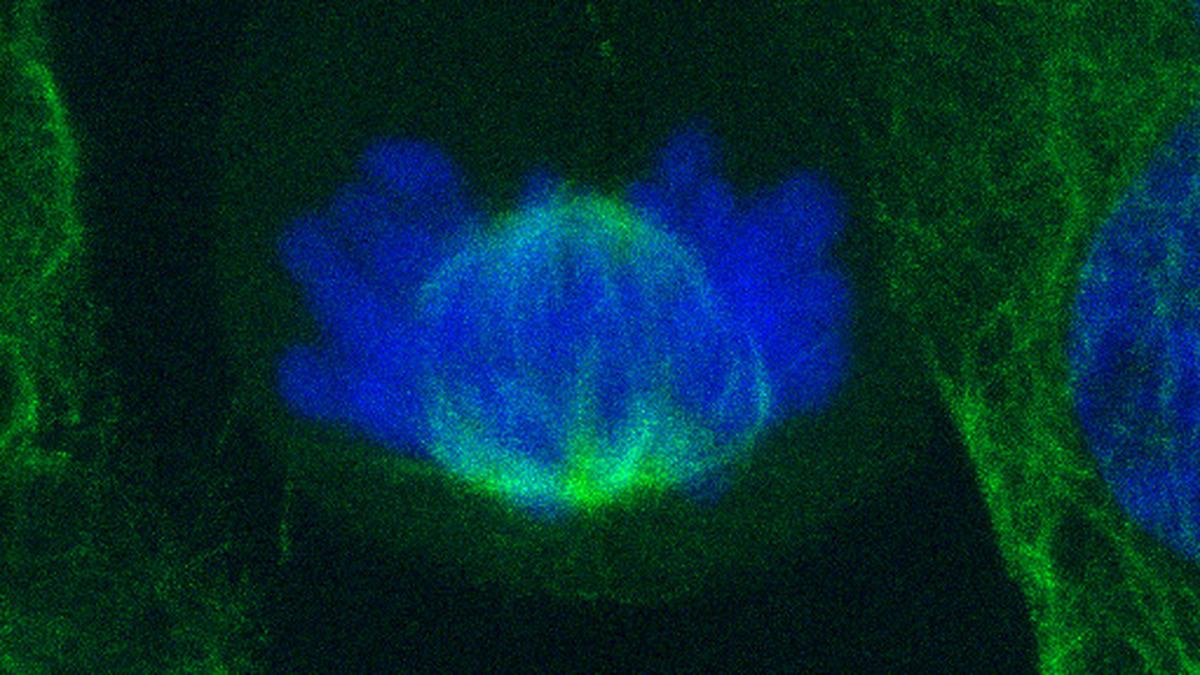
Researchers believe the roots of the condition lie in the peak phase of brain development in the embryo — when the cells that eventually become neurons fail to divide normally. Clinicians can diagnose microcephaly before the baby is born using foetal ultrasound and magnetic resonance imaging.
In particular, since 2014, a gene called SASS6 and its variants have been implicated in this developmental process. On March 19, researchers at the Affiliated Maternity and Child Health Care Hospital of Nantong University, China, presented “the genetic findings of members of a nonconsanguineous Chinese couple with a history of microcephaly and foetal growth restriction during their first pregnancy”.
The team’s findings reinforced the SASS6 gene’s role in causing microcephaly. But more importantly, the team also found that if one copy of the SASS6 gene was non-functional, the other retained at least some function. The implication was that if both copies are non-functional, the human embryo dies before it becomes a foetus.
“[Our] findings confirm the pivotal role of SASS6 in microcephaly pathogenesis and reveal an expanded view of the phenotype and mutation spectrum associated with this gene,” the researchers wrote in their paper, published in the American Journal of Medical Genetics.
Similarly, in a February 2024 study, researchers at the University of Cologne, Germany, reported that they modified mouse embryo-derived cells to remove all functional SASS6 genes. These genes contain instructions for cells to make structures called centrioles. But even after the genes were removed, the cells were able to make passable, if also abnormal, centrioles.
The problem arose when the cells were nudged to develop into neurons: at this point, all the centrioles made without using the gene’s recipe disappeared, and the cells couldn’t differentiate into neurons.


AI tool for sparrow conservation

BTS’s comeback with ‘Arirang’ marks a major global music event. When does the album release, and where can you watch their concert live stream? We have all the details

The 2026 U.S. cholesterol guidelines urge starting screening and treatment at 30 to prevent cardiovascular disease effectively.

Olam Festival 2026 in Thiruvananthapuram returns March 27-29 with 120+ vendors, music, art, and cultural zones.

A few storytellers in Thiruvananthapuram share their journeys, challenges, and evolving methods on World Storytelling Day, inspiring young minds.

76-year-old Kurian Jacob from Kerala triumphs with seven medals, including five golds, at the Open Masters Games in Abu Dhabi.

Explore the nature of the human mind as an emergent property of brain activity and complex neural interactions.

CERN's Large Hadron Collider discovers the Xi-cc-plus particle, enhancing understanding of quantum mechanics and baryon behavior.

Vibha Batra’s latest book, Spotless (Hachette India) is a novel in verse for young adults

In its first edition, the Madras Art Salon spotlights the works of journalist and artist Narayan Lakshman at The Botanical Club, a social space in the British Deputy High Commission, Chennai

Cholesterol enhances melanoma cell invasion by making nuclei squishier, revealing a potential treatment target in cancer progression.

The designers reinterpret the Swedish artist’s symbolic forms and colour energy through contemporary resortwear silhouettes

Discover the inspiring legacy of Bibha Chowdhuri, a pioneering woman in physics and a trailblazer in STEM history.