Here's What To Know As Lawmakers Reveal New Details On U.S. Boat Strikes
HuffPost
Members of Congress are seeking more answers on the controversial attack and the legal underpinnings of the president's military campaign in international waters.
WASHINGTON (AP) — The U.S. military opened fire on two people clinging to the wreckage of a boat allegedly carrying drugs, congressional lawmakers learned this week as they seek more answers about the attack and the legal underpinnings of President Donald Trump’s military campaign in international waters near Venezuela.
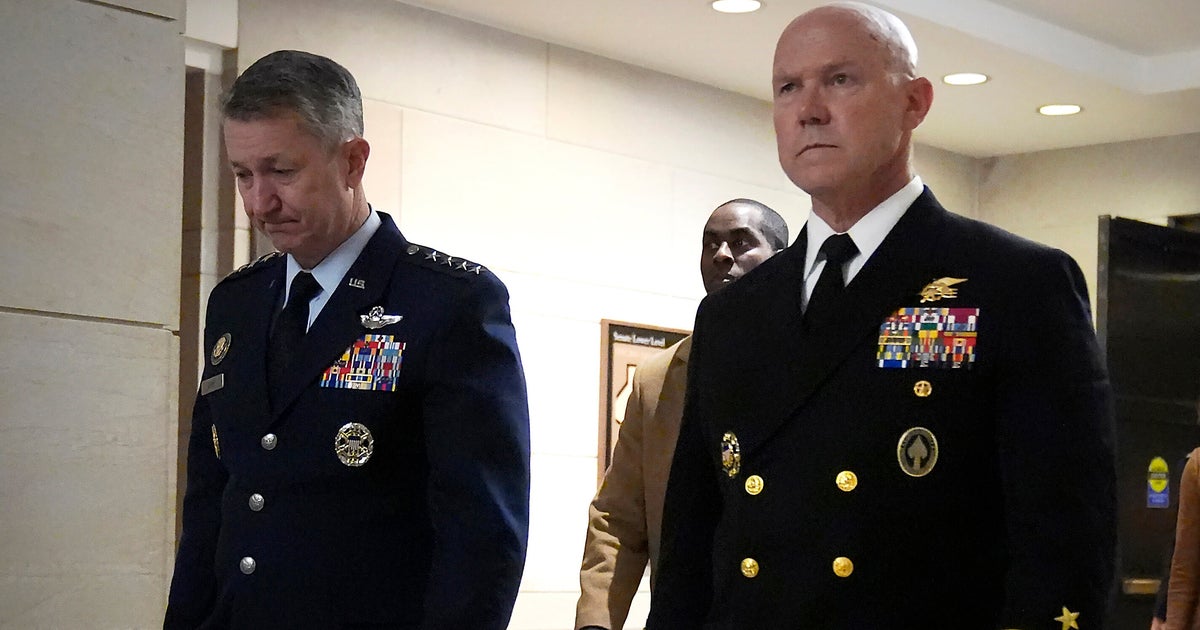
The Sept. 2 strikes on an alleged drug boat were the first foray by the U.S. military into blowing up vessels allegedly carrying drugs. But this particular attack and the broader military campaign, which so far has destroyed more than 20 boats and killed more than 80 people, is now under intense scrutiny. Lawmakers who oversee national security committees heard this past week from the Navy admiral who ordered the initial strikes, including the follow-up that killed the two survivors.
While Adm. Frank “Mitch” Bradley stated clearly that Defense Secretary Pete Hegseth did not issue a “kill them all” order on the survivors, Democratic lawmakers say the scope of the mission was clear — to destroy the drugs and kill the 11 people on board. It’s a deadly new tactic the Trump administration says is intended to deter the flow of drugs to the U.S. The lawmakers and military experts say the sequence of events is alarming, potentially violating the laws of armed conflict that safeguard human rights and protect American troops.
Late Friday, the AP confirmed that lawmakers were told the boat was headed to link up with another vessel bound for Suriname, according to a person familiar with the situation who agreed to discuss it on the condition of anonymity. The information was first reported by CNN. Another person said it was heading south when it was struck.
What lawmakers learn in the weeks ahead, and how far they are willing to press the administration for answers, presents a defining moment for the U.S. military under Trump’s second-term command. It is testing the scope of laws that have long governed soldiers on the battlefield and will almost certainly influence the course of the tense standoff between Trump’s White House and the government of Venezuela.


Foreign Minister Abbas Araghchi says Iran is open to helping other countries' safe passage through the Strait of Hormuz.

Chris Wright boasted he's "proud" of Trump’s handling of the Iran war, claiming the president is "all about low gas prices, low diesel prices, low energy prices.”

Even some of the president's supporters are questioning his plan and his overall poll numbers are declining.

“Every time a new headline is dropped, it feels personal.”

With the help of millions in special interest cash, two former Illinois House members could head back to Washington.

The president shared an image on Saturday celebrating his impact on the free press.

Sen. Mark Kelly (D-Ariz.) was persecuted last year by Defense Secretary Pete Hegseth for reminding U.S. troops that they can defy unlawful orders.

The "Real Time" host on Friday expressed bewilderment about the U.S. failing to secure the Strait of Hormuz after previously admitting support for the war.

President Donald Trump lambasted news outlets over a report on Iranian missiles hitting U.S. tanker planes.

Trump already endorsed the Republican running in the coming special election, even though his home is not in the district and he is registered to vote at a motel a half hour away.

Trump announced the strike on Kharg Island just hours after the interview aired.

The report also said authorities have not revealed his real name.

Trump has previously suggested, without evidence, that Iran possessed Tomahawk missiles and may have been responsible for using them in a strike on an Iranian girls' school.