Getting drunk, on homoeopathy Premium
The Hindu
The alcoholic tinctures marketed in India as homoeopathic remedies have the ingredients of a public health nightmare
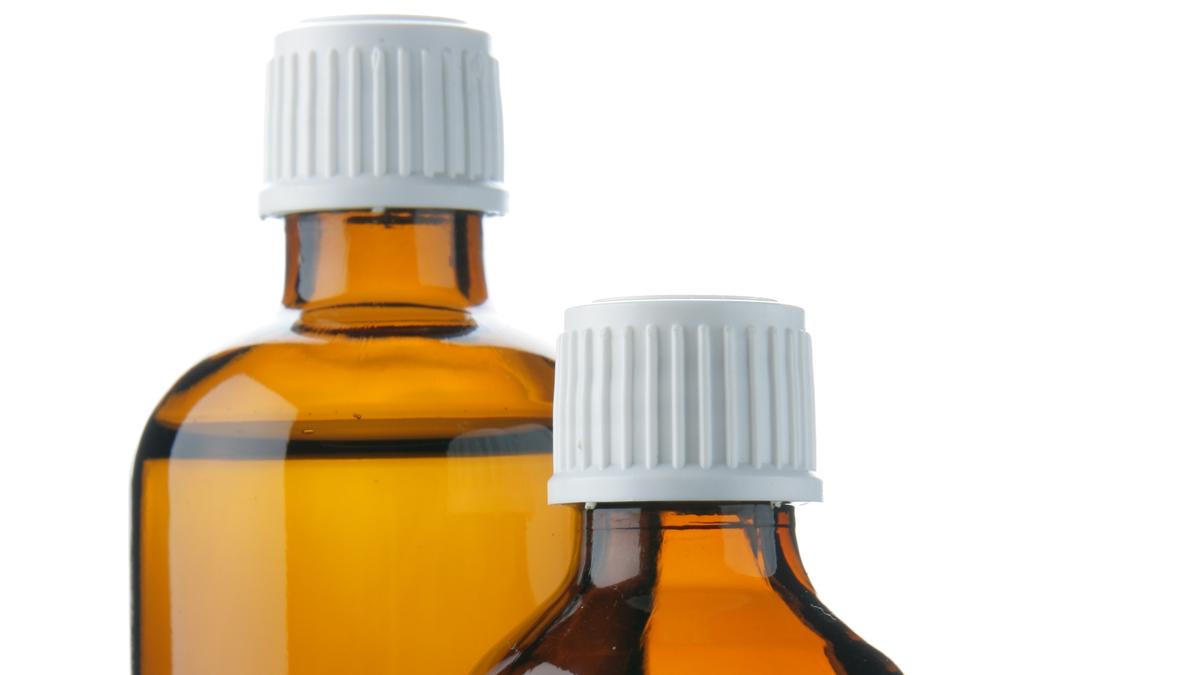
A recent judgment of the Supreme Court of India, in Bhagwati Medical Hall vs Central Drugs Standard Control Organization & Ors., has, once again, turned the spotlight on the impossible challenge faced by State governments in regulating a significant public health hazard — that posed by alcoholic tinctures marketed in India as homoeopathic remedies. Feeble attempts by the Union Government to tackle the problem have often been frustrated by ruthless lawfare conducted by the very formidable homoeopathic industry.
A good starting point to explain this issue is the exceptionally complicated regulatory architecture under the Constitution for these alcoholic tinctures, which are liquid extracts of herbs dissolved in alcohol. As per Schedule VII of the Constitution, only States can enact legislation in relation to public health and the taxation of alcohol. The exception to this rule of taxation is if the alcohol is meant for medicinal purposes, in which case, Entry 84 of List I allowed the Union to decide the rate of taxation.
In the pre-Goods and Services Tax (GST) era, alcohol for medicinal preparation was taxed at a tiny 4% under the now repealed Medicinal and Toilet Preparations (Excise Duties) Act, 1955. Post the 101st Constitutional amendment which paved the way for the GST, the issue of taxation of alcohol meant for medicinal purposes is not clear since the exception created for alcohol meant for medicinal purposes is no longer mentioned in Entry 84. Nevertheless, the Union has prescribed a 18% tax slab for alcohol meant for medicinal purposes, which is still significantly lower than State taxes on alcoholic beverages.
The third aspect of this regulatory architecture is that drugs are on the Concurrent list, which means that both the Union and States can enact law but since the Drugs and Cosmetics Act, 1940 is the Union law laying down quality standards for homoeopathic products, States need presidential approval for State-specific amendments.
This complex regulatory architecture has meant that manufacturers of these homoeopathic alcoholic tinctures have historically been immune from any form of quality regulation or taxation by States despite having a direct impact on public health which again is the responsibility of States, per List II of Schedule VII. Moreover, due to the difference in taxation rates for alcoholic tinctures sold as homoeopathic remedies and alcoholic beverages, alcoholic tinctures manufactured by the homoeopathic industry are more affordable than alcoholic beverages. For a less discerning consumer of alcohol whose sole aim is to get intoxicated, these alcoholic tinctures are the perfect substitute for alcoholic beverages especially since many of these tinctures contain a very high volume of alcohol. The Drugs and Cosmetics Act permits alcoholic tinctures for homoeopathy to contain 12% alcohol by volume. For comparison, the most popular varieties of “strong beer” sold in India generally contain 7% alcohol.
State governments have viewed the issue primarily through the lens of revenue loss caused by citizens who consume homoeopathic alcoholic tinctures as a substitute for alcoholic beverages taxed at a higher rate. This loss of revenues was one of the reasons for the administrative actions taken by the Government of Uttar Pradesh, under Section 22 of the Drugs and Cosmetics Act, 1940 in the Bhagwati Medical Hall case, except, as correctly held by the Supreme Court, only the Union government can regulate the sale of homoeopathic tinctures.
The taxation story however pales in comparison to the public health nightmare posed by these alcoholic tinctures. Since States have no ability to regulate alcoholic tinctures, they are required to permit the sale of these products even if the State law prohibits the sale of alcoholic beverages, as in Gujarat and Bihar. Both States have reported a string of deaths of those who consumed homoeopathic remedies containing spurious alcohol. In effect, the public health objectives of these State prohibitions on alcohol have been frustrated by a Union law. Technically, they can enact a State-specific amendment to the Drugs and Cosmetics Act, 1940 but that requires presidential assent.


Shorts News:‘Over 2.44 lakh Indians returned from Gulf so far’

Oppo on Tuesday launched the new K series smartphone in India for the mid segment buyers, the new Oppo K15 5G, featuring IP66, IP68 and IP69 ratings for dust, water immersion, and high-pressure hot water jets resistance

NCTP members oppose amendments to the Transgender Persons Act, citing lack of consultation and potential harm to transgender rights.

AIADMK MP C.Ve. Shanmugam faces backlash for derogatory comments about a female actor during an NDA protest in Villupuram.

Urea shortage disrupts farming in Tiruchi as demand spikes during critical sowing period, affecting supply at private outlets.

While granting bail to the tantri in February, the Vigilance Court had observed that the SIT failed to produce substantive evidence to support the allegations levelled against him

Gujarat's panel submits UCC report to CM Patel, paving the way for a draft bill in the ongoing Budget session.

Edappadi Palaniswami criticises the DMK government for failing to file an FIR on cash-for-jobs allegations, seeking High Court intervention.

Cookbook author Sabita Radhakrishna gives us tips on utilizing smart kitchen gadgets you probably already own to make easy meals without using LPG, from an induction stove to her trusty instant pot

Madras High Court postpones PMK intra-party dispute hearing until after Tamil Nadu and Puducherry elections conclude, on May 10.

TMC to contest 291 seats in Bengal polls, confident of winning over 226, announces Mamata Banerjee amid fierce competition.

Legendary screenwriter Salim Khan, the creative mind behind Bollywood classics like ‘Sholay’ and ‘Deewar’, is back home after a health scare that had fans worried

Election Commission deploys observers for Tamil Nadu Assembly poll to ensure free and fair elections in 234 constituencies.