Energy fallout from Iran war signals a global wake-up call for renewable energy
ABC News
The Iran war is exposing how much the global economy still depends on fragile fossil fuel supplies
HANOI, Vietnam -- The war in Iran is exposing the world’s reliance on fragile fossil fuel routes, lending urgency to calls for hastening the shift to renewable energy.
Fighting has all but halted oil exports through the Strait of Hormuz, the narrow waterway that carries about a fifth of the world’s oil and liquefied natural gas, or LNG. The disruption has jolted energy markets, pushing up prices and straining import-dependent economies.
Asia, where most of the oil was headed, has been hit hardest, but the disruptions also are a strain for Europe, where policymakers are looking for ways to cut energy demand, and for Africa, which is bracing for rising fuel costs and inflation.
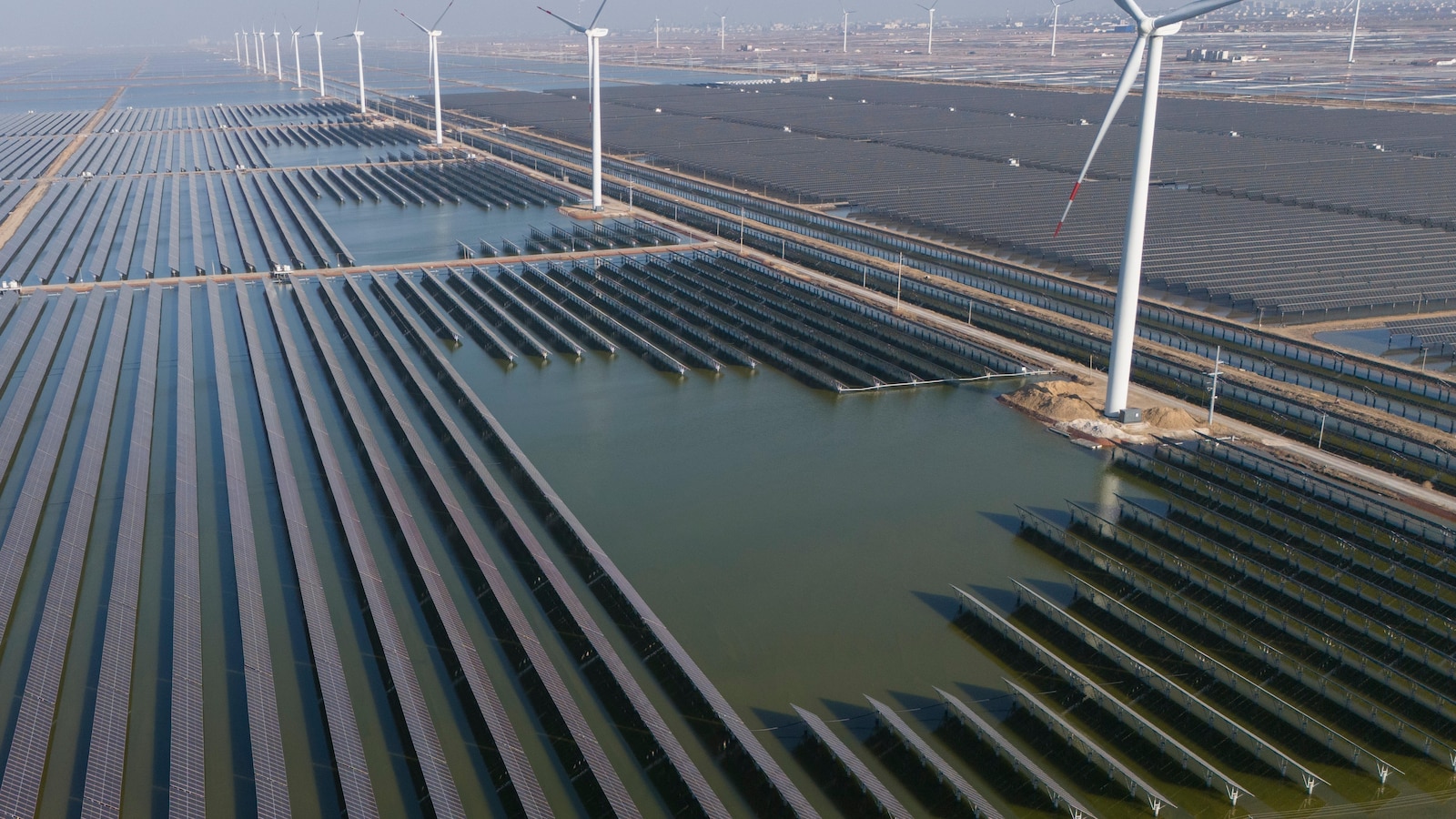
Unlike during previous oil shocks, renewable power is now competitive with fossil fuels in many places. More than 90% of new renewable power projects worldwide in 2024 were cheaper than fossil-fuel alternatives, according to the International Renewable Energy Agency.
Oil is used in many industries beyond generating electricity, such as fertilizer and plastics production. So most countries are feeling the impact, while those with more renewable power are more insulated since renewables rely on domestic resources like sun and wind, not imported fuels.


Iran's judiciary says it has executed man for allegedly spying for Israel's Mossad as war rages

Japan has recorded a trade surplus of 57.3 billion yen, or $360 million, in February, according to government data, reversing from a deficit a month earlier

The Iran war has rattled the global flow of oil, with steeper fuel costs already straining households worldwide

The Wisconsin state Senate has passed a $133 million package to combat contamination from forever chemicals

Colombia says it is seeking a license from the U.S. Treasury Department to invest in several electricity and natural gas ventures in Venezuela

The Iran war has scrambled the Federal Reserve’s outlook on inflation and unemployment and will likely further delay interest rate cuts this year, putting off any relief for consumers struggling with high borrowing costs for home and car purchases

Argentina’s wine industry, once a thriving business, is facing its worst crisis in more than 15 years, with record low domestic consumption and a drop in exports

United Arab Emirates lifts brief airspace closure over Iranian attacks

The transfer of federal forest land in Arizona to a pair of international companies that plan to mine one of the largest copper deposits in North America is complete

Self-storage company Public Storage is buying National Storage Affiliates in an all-stock deal worth about $10.5 billion

The outgoing head of the Ms. Foundation says the fight for political equality in the U.S. is far from over

The European Union is weighing options to help keep the Strait of Hormuz open for global shipping

Renewable energy projects in Africa that depend on Middle Eastern sovereign wealth funds and state-backed companies will likely press ahead despite the Iran conflict, analysts say, thanks to the continent's surging appetite for power and fuel