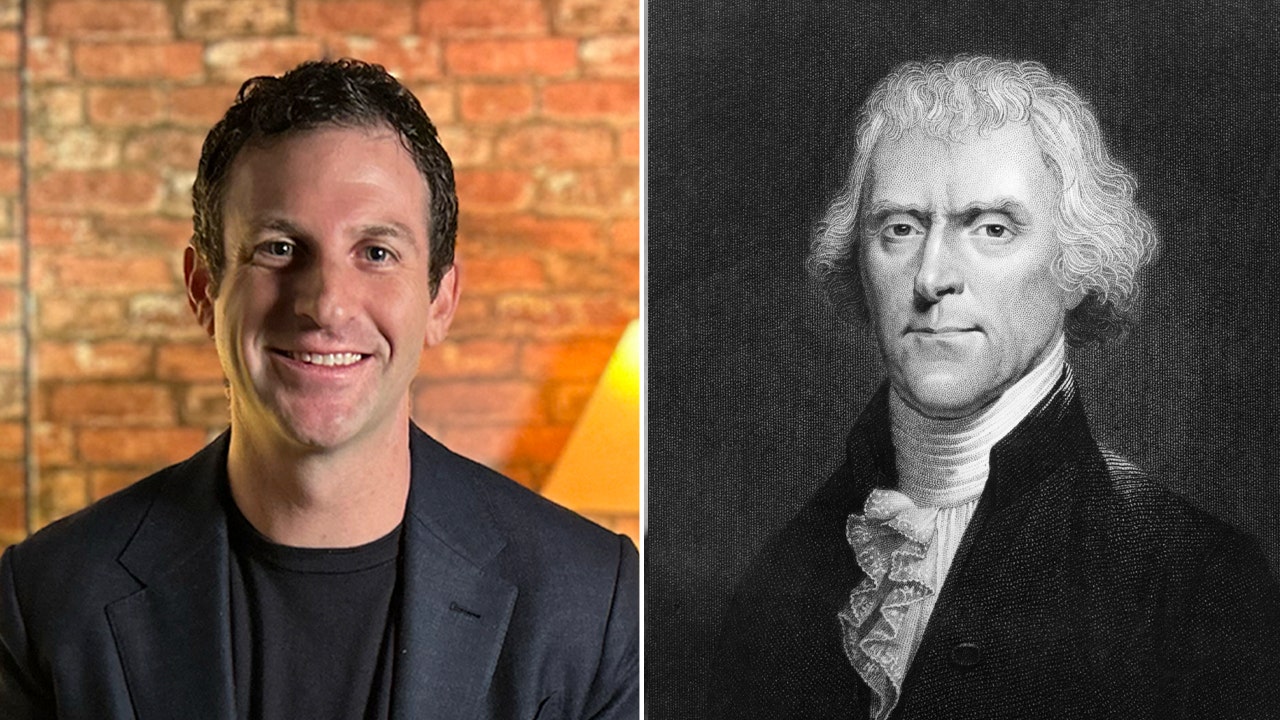
Crisis on college campuses: What university presidents can learn from the Founding Fathers
Fox News
In this book excerpt from "Life After Power," author Jared Cohen shares the campus controversy during Thomas Jefferson's tenure at the University of Virginia — and what can be learned from it today.
Then, recently, amid rising campus antisemitism and the Israel-Hamas war, prominent university presidents made a controversial appearance on Capitol Hill. After that, scrutiny on them and what’s been going on at their campuses skyrocketed. Within weeks, two of the presidents had resigned. A mask-wearing mob of students had torn across the University of Virginia’s lawn, throwing bottles of urine through the windows of their instructors’ homes. The three Founding Fathers were disciplinarians scolding entitled students, and they took their roles seriously and had the students’ respect. Jefferson was far too overcome with emotion and disappointment to speak. He burst into tears, so shaken that he had to sit down. Why had a student mob so disturbed Jefferson? Because, he believed, the mob threatened the future of the university, and with the founding generation dying out, the country needed its universities to succeed in order to pass the torch. Jefferson wanted the school out of the business of indoctrination, and for it to teach students how to think, not what to think. The school was flawed, but it was to be a place where leaders were educated and learned to recognize their faults, and thus drive progress. Higher education sets the United States apart from other countries, and the freedoms that make it possible attract the best and brightest. Jared Cohen is a New York Times bestselling author. His latest book is "Life After Power: Seven Presidents and Their Search for Purpose Beyond the White House" (Feb. 2024, S&S).
With trust in higher education likely to fall further, historian Niall Ferguson wrote in The Free Press, "The question is whether we … can do something about it?"


Unusual airport amenity gains traction as part of healthy travel push: 'Makes a world of difference'
Airport showers gain popularity as travelers share TikTok videos about lounge facilities and seek wellness amenities during long-haul flights and layovers.

San Diego Unified School District's "Equity and Belonging" website includes a name and gender change form allowing students privacy rights regarding transgender status.

Heart health experts explain how heart attacks spike during the holidays due to "holiday heart syndrome" caused by stress, drinking and lifestyle changes.

Petco notified customers after a software setting made files accessible online, exposing sensitive personal and financial data before the company corrected the issue.

New Hampshire Senate Bill 596 would ban smoking and vaping at Hampton Beach State Park starting Jan. 1, 2027 — with enforcement through official warnings.

Influenza A H3N2 subclade K variant emerges as a severe flu strain causing aggressive illness worldwide, including in the U.S., according to health experts.

Alabama woman Ella Cook, a Brown University sophomore and College Republicans vice president, was killed in a campus shooting that left two dead and nine wounded.

The minimalist Christmas tree trend is dividing people online, as some embrace the clean aesthetic, while others prefer traditional ornament-filled holiday decorations.

Cardiologists warn adults over 45 to use caution when shoveling snow. Experts say those over 65 with heart disease risk factors should avoid it entirely.

King's College London researchers published new dietary guidelines showing that rye bread can help relieve chronic constipation, contrary to typical advice about avoiding bread.

Recent Korean camera hacks highlight smart home security concerns, but experts explain that most attacks use weak passwords rather than advanced hacking tools.

A review of five clinical trials suggests higher-concentration garlic mouthwash may offer natural antimicrobial properties comparable to standard chlorhexidine.

New research reveals that 76% of the global population has inadequate omega-3 intake, increasing risks for heart disease, cognitive decline and inflammation.