Collapse of coal mining in Britain has lessons for India | Explained Premium
The Hindu
COP26 decision to phase-down coal power highlights the need for just transition plans to support displaced workers globally.
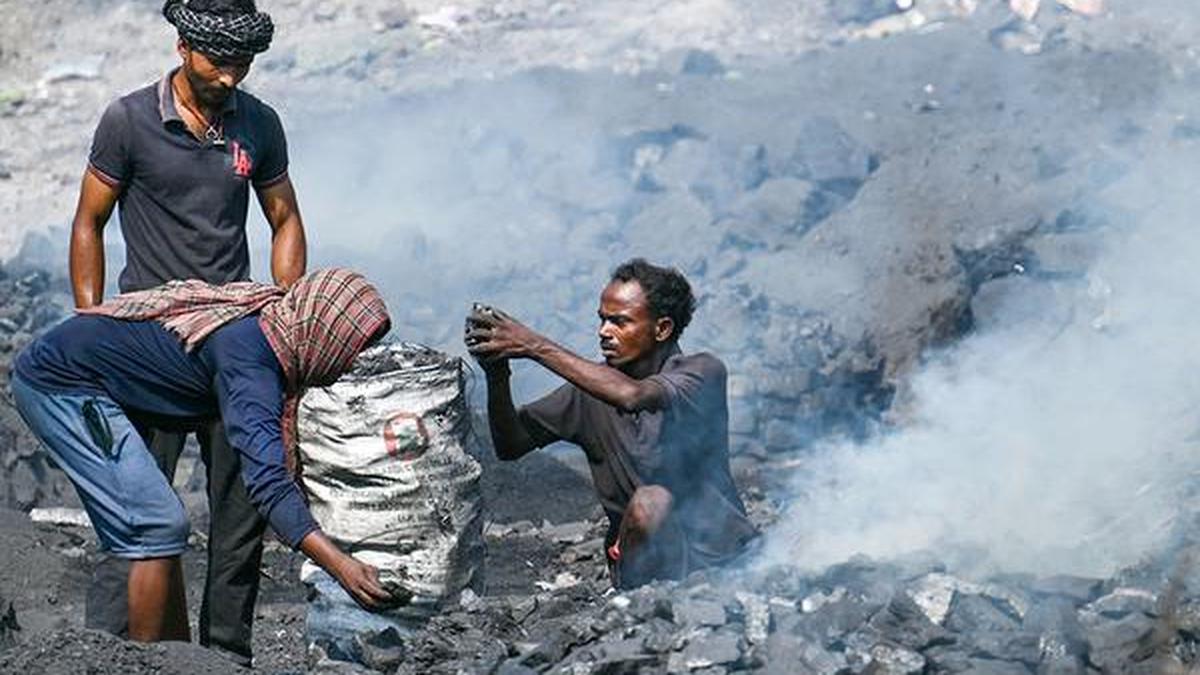
At the COP26 climate talks in Glasgow, countries around the world, including India, reached a historic decision to phase-down coal power. A less-famous decision they made was to support a just transition away from coal power. In some countries, this transition has already happened, and India could learn important lessons from them since its own future transition could easily turn sour.
The coal industry in the U.K. shrunk steadily from the mid-1950s driven by the availability of cheaper energy alternatives like oil and the decline of heavy industries, later helped along by Prime Minister Margaret Thatcher. In just over a decade starting in the mid-1980s, the British government closed most coal mines and left more than 2 lakh miners — then almost 90% of the industry’s workforce — without jobs.
According to a new paper published in the Journal of Public Economics, these workers incurred significant losses even many years after they were rendered jobless.
Specifically, in the year after a mine was closed, miners’ earnings fell by 40% and remained depressed by 20% up to 15 years later. This result was driven by lower wages. The depressive effect on their incomes ballooned to 90% when the authors included miners who couldn’t find alternative employment within four years.
Essentially, the paper shows that even in a country like the U.K. with geographical mobility, economic opportunity, and government support like severance packages and unemployment benefits, miners and their communities never fully recovered. And so, plans and support for workers in a country like India have to be “more ambitious,” Juan Pablo Rud, lead author of the paper, told this reporter. Rud is a professor of economics at the University of London.
Such ambitious plans ought to entail, he added, labour market policies like sectoral training programmes, public investment, and income support, which are standard recommendations that have had some success in different contexts.
The demand for coal in India will likely peak between 2030 and 2035, according to the Ministry of Coal. And while coal production is increasing today with new mines also opening up, many old mines are also shutting down because of depletion of coal reserves and financial non-viability.


U.S. official Elbridge Colby emphasizes India's vital role in the Indo-Pacific, highlighting mutual benefits despite existing differences.

Philippine President Marcos declares national energy emergency amid Middle East conflict, ensuring fuel and essential goods supply stability.

Mohammad Baqer Zolqadr appointed as Iran's new security chief, succeeding Ali Larijani after his assassination.

Israel plans to occupy southern Lebanon amid escalating violence, targeting Hezbollah and causing widespread destruction and civilian casualties.

Trump reveals Secretary Hegseth was pivotal in discussing military action against Iran amid escalating tensions in the Middle East.

Iran arrests 466 individuals for online activities threatening national security amid ongoing tensions with Israel and the U.S.

China protests to Japan over a break-in at its Tokyo embassy, demanding a thorough investigation and accountability.

After securing a historic mandate in Nepal’s polls, Balendra Shah and the RSP face the task of navigating the West Asia conflict and managing ties with India, China and the U.S.

A magnitude 7.6 earthquake struck near Tonga, prompting evacuations but no tsunami warnings or immediate damage reports.

Iran launches missile attacks on Israel, rejecting Trump's negotiation claims as 'fake news,' escalating regional tensions and market volatility.

A large explosion at Valero refinery in Port Arthur, Texas, prompts shelter-in-place order for nearby residents, no injuries reported.

Kim Jong Un vows to solidify North Korea's nuclear status and labels South Korea as its "most hostile" adversary.

U.S.-Israel war on Iran LIVE: Follow The Hindu for updates on the West Asia conflict on March 24, 2026