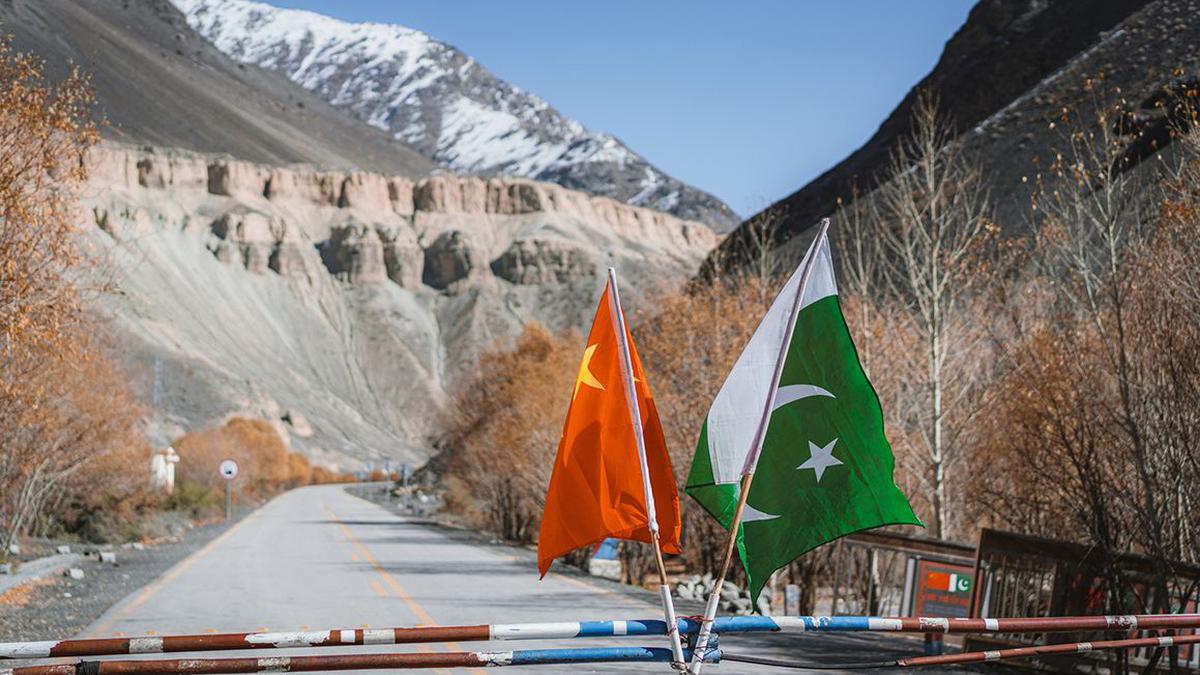
China agrees to reschedule $2 billion debt of Pakistan
The Hindu
China has agreed to reschedule more than $2 billion debt of Pakistan for a period of two years, providing a major relief to the cash-starved country.
China has agreed to reschedule more than $2 billion debt of Pakistan for a period of two years, providing a major relief to the cash-starved country, which is in the process of rebuilding foreign exchange reserves through fresh loans.
The Economic Coordination Committee (ECC) of the Cabinet, chaired by Finance Minister Ishaq Dar on July 20, approved the revised terms of the agreement reached between Islamabad and Beijing, according to senior Pakistani officials, the Express Tribune reported.
Pakistan has built two nuclear power plants in Karachi that have a combined generation capacity of 2,117 megawatts. The total cost of the plants is $9.5 billion, including the $6.5 billion financing from China. The loan was extended by the Export-Import (Exim) Bank of China.
“Of $2 billion, more than $625 million was maturing in this fiscal year that will now be paused. The $6.5 billion is a publicly guaranteed debt, and more than $2 billion repayments were maturing in two years that China has agreed to make a pause on,” according to senior officials.
The Ministry of Finance did not officially make a statement about the ECC’s stamp of endorsement to the revised agreement with China.
Data | Why is Pakistan’s economy collapsing? Explained in charts
China has, time and again, helped Pakistan meet its debt obligations through the provision of new loans and the rollover of the existing debt.


NTSB investigates a near-collision between Alaska Airlines and FedEx jets at Newark, raising safety concerns in air traffic control.

Vietnam accelerates its shift to ethanol fuel as rising energy prices from the Iran war impact its economy.

Teenagers sue Musk's xAI, alleging its image-generator created explicit images of them as minors, sparking concerns over AI safety.

Shorts News:Watch: Netanyahu: Israel ‘acted alone’ in Iranian gas field attack

Indonesian billionaire Michael Bambang Hartono, co-founder of Djarum Group, has died at 86, leaving a significant legacy.

European nations, Japan, and Canada unite to ensure safe passage through the Strait of Hormuz and stabilize energy markets.

Some of the estimated 20 billion yuan ($2.9 billion) worth of equipment, including screen-printing production lines, will require export approval from Chinese regulators, according to the people. It wasn't immediately clear how much of the equipment would require approval or how long it would take.

Three men, including a Super Micro VP, charged with smuggling U.S. AI technology to China, threatening national security.

Trump compares U.S. strikes on Iran to Pearl Harbor in meeting with Japan's PM, highlighting the element of surprise.

Iran-Israel war: Follow the latest updates from The Hindu on the West Asia conflict on March 20, 2026

The closure of the Strait of Hormuz disrupts a vital artery of the global economy, triggering price increases and turmoil in energy markets; as supply shocks reshape the geopolitics of energy, countries like India, the U.S., and Russia recalibrate strategies amid shifting oil flows and rising dependence

EU lawmakers advance U.S. trade deal legislation, overcoming delays and adding safeguards amid concerns over compliance from the Trump administration.

Pro-Iran Iraqi group pauses U.S. embassy attacks for five days, imposing conditions amid ongoing regional tensions and strikes.