Bahrain cracks down on dissent as Iran war reignites internal unrest
The Hindu
Bahrain intensifies crackdown on dissent amid Iran conflict, leading to arrests and allegations of torture against protesters.
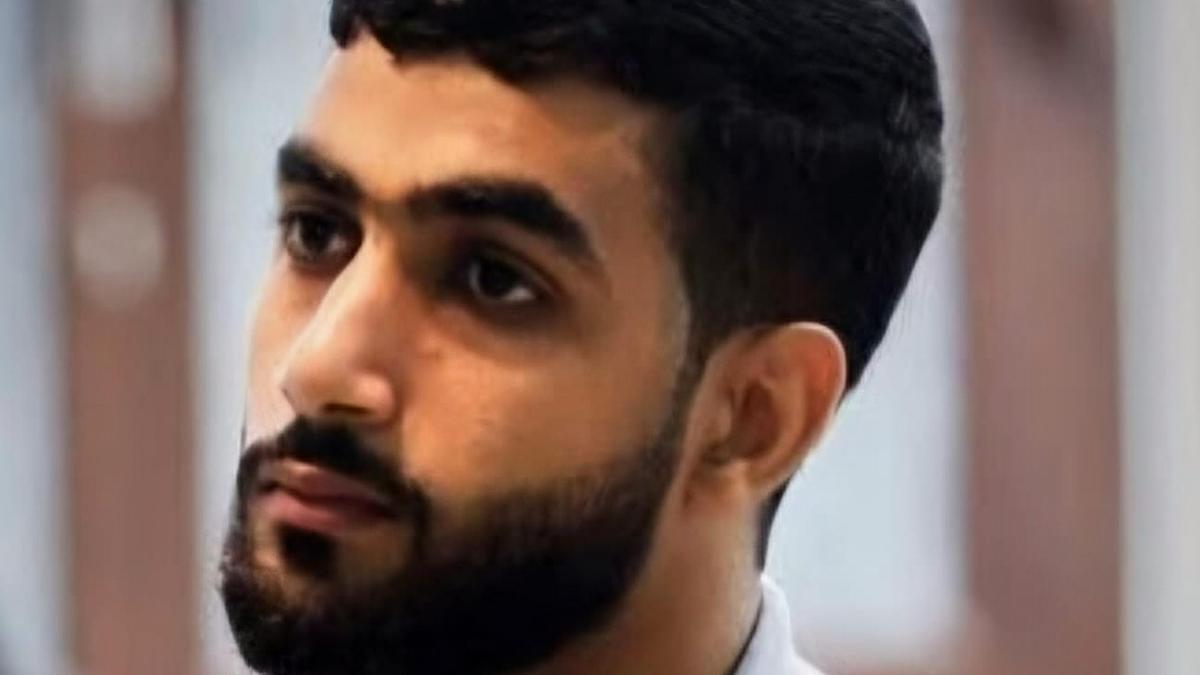
A man detained in Bahrain last month as the island kingdom came under missile attack from Iran vanished for days, until his family was called to retrieve his body from a military hospital.
Relatives said Mohamed al-Mousawi, a Shia Muslim who had previously been imprisoned, was saving money to start a business. His body was returned covered in slash marks and bruising, including on the soles of his feet. His death has become a flashpoint in the Sunni-ruled, Shia-majority country on the war’s front lines, where critics say authorities have revived tactics used to suppress Arab Spring protests in 2011.
Bahrain, a monarchy that hosts the U.S. Navy’s 5th Fleet, has arrested dozens of people throughout the war for filming strikes and demonstrations, expressing support for Iran, and on suspicion of spying for it. “They want to make sure nobody challenges the state’s narrative and silence any voices not telling the story [of the war] how they want it to be told,” said Sayed Ahmed AlWadaei of the London-based Bahrain Institute for Rights and Democracy.
Bahrain’s Interior Ministry said al-Mousawi was arrested on suspicion of spying for Iran, allegations denied by his family, and that images of his wounds were “inaccurate and misleading.” Bahrain’s government said in a statement that the country is defending its national security. It denied any sectarianism, saying authorities have acted lawfully and that independent bodies investigate allegations of abuse.
Al-Mousawi served about 11 years of a 21-year prison sentence on charges including arson and belonging to a terrorist cell before being released in 2024 as part of a royal amnesty. A relative and close family friend said al-Mousawi disappeared on March 19 after attending prayers with two friends who also have not been seen since. Rights groups have long accused Bahrain of enforced disappearances.
On March 27, his family received a call to collect his body. The relative, who saw it at the morgue, said al-Mousawi appeared to have been whipped with cables. He said there were apparent electrocution burns, including behind his knees, and cigarette burns elsewhere on the body. APreviewed images of al-Mousawi’s body, which bore marks described by a total of five witnesses who saw it in person.


Follow The Hindu LIVE for the latest updates on the Iran-Israel war amid the escalating conflict in West Asia on April 4, 2026.

A 5.9 magnitude earthquake struck Afghanistan, felt in Delhi NCR, with no immediate damage reported.

Cambodia's parliament passes a strict cybercrime law targeting online scams, imposing harsh penalties to combat fraudulent activities.

Ukraine reports ten fatalities from intensified Russian missile and drone strikes, marking a significant escalation in daytime attacks.

China announces progress in peace talks between Afghanistan and Pakistan, mediating efforts following recent violent conflicts.

White House proposes $1.5 trillion defense budget for 2027 amid Iran war, requesting cuts to non-defense spending.

Trump claims the U.S. can reopen the Strait of Hormuz soon amid escalating conflict and rising global oil prices.

Chinese national Zhu Yi-eng arrested in Nepal for a multi-million rupee cryptocurrency scam, targeting locals via social media.

Russia offers to boost crude oil and LNG supplies to India amid West Asia crisis, enhancing bilateral energy cooperation.

French and South Korean leaders pledge cooperation to reopen the Strait of Hormuz amid escalating tensions in West Asia.

Iran warns the UN Security Council against provocative actions regarding the Strait of Hormuz ahead of a postponed vote.

UN praises Indian peacekeepers for reopening a vital supply route in South Sudan, enhancing humanitarian access after devastating floods.

Explore Todd Blanche's journey from Trump lawyer to acting U.S. attorney general, highlighting his legal battles and career milestones.