Amid global uncertainty, assertive Sanae Takaichi has the mandate to pursue structural reforms: Sanjaya Baru Premium
The Hindu
Sanae Takaichi's rise as Japan's first female PM signals potential structural reforms amid global uncertainties, asserts analyst Sanjaya Baru.
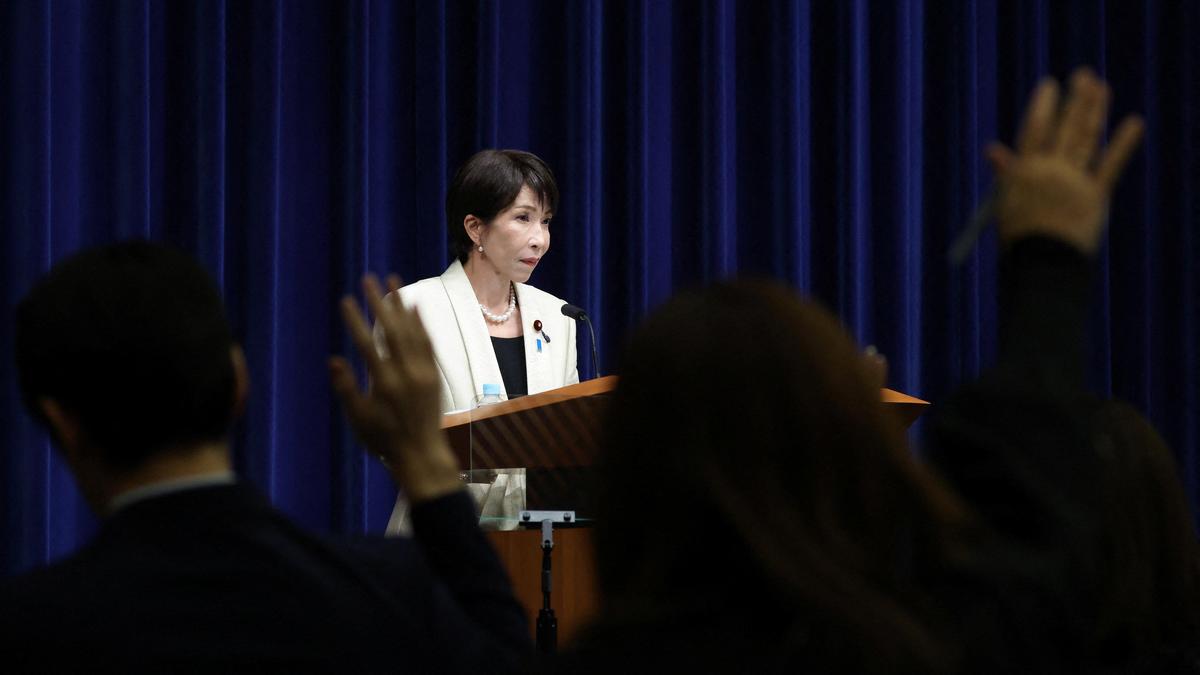
Japan’s strategic identity appears to be entering a decisive phase. With Sanae Takaichisecuring a two-thirds parliamentary majority and becoming the country’s first woman Prime Minister, Tokyo seems poised for a more assertive turn economically, politically and militarily. Her rise comes at a time of intensifying U.S.-China rivalry, uncertainty in global trade, and renewed debates within Japan about defence and constitutional limits.
Is Ms. Takaichi merely extending the transformation initiated by Shinzo Abe, or does her mandate mark something more consequential? How will Japan position itself between Washington and Beijing? And what does this mean for India, which sees Japan as a central partner in the Indo-Pacific?
In an interview with The Hindu, public policy analyst and former adviser to Prime Minister Manmohan Singh, Sanjaya Baru, discusses Ms. Takaichi’smandate, the legacy of Shinzo Abe, Japan’s evolving defence posture, and the future of India-Japan ties. Edited excerpts.
Japan has gone through years of short-lived Prime Ministers and cautious leadership. Who is Sanae Takaichi, and why does her rise matter at this moment?
It is historic that she is Japan’s first woman Prime Minister and that she has secured an absolute majority. But beyond symbolism, her rise is significant because Japan’s political trajectory over the past quarter century has alternated between transformative leadership and periods of drift.
The early 2000s saw leaders such as Yoshiro Mori, Junichiro Koizumi and Shinzo Abe shape Japan’s direction. After Abe’s resignation due to ill-health and later his assassination, Japan experienced a succession of less decisive Prime Ministers. Takaichi clearly belongs to the Abe lineage. She represents continuity with his twin emphasis on restoring Japan’s economic competitiveness and enhancing its strategic relevance.


A suspected gas explosion in Karachi kills 16, including children, and injures 14, causing building collapse during Sehri.

Former South Korean President Yoon Suk Yeol receives a life sentence for illegally imposing martial law and attempting a power grab.

Macron shares a heartwarming AI image with PM Modi, highlighting India-France collaboration at the AI Impact Summit 2026.

NIA charges three accused in Myanmar human trafficking case involving Indian youth, revealing a network deceiving victims for cyber scams.

Marco Rubio will update Netanyahu on U.S.-Iran nuclear talks during his visit to Israel next week, officials reveal.

The U.S. State Department is developing an online portal that will enable people in Europe and elsewhere to see content banned by their governments

Prime Minister Tarique Rahman pledges to ensure safety for all faiths in Bangladesh, emphasizing law, order, and inclusivity.

Eight skiers are dead and one missing after a deadly avalanche near Lake Tahoe, California, marking a tragic winter disaster.

Trump hosts a Black History Month reception amid controversy over a racist social media post and his policies on diversity.

Russia's Foreign Ministry asserts India hasn't changed its stance on Russian oil imports, despite U.S. claims to the contrary.

Mark Zuckerberg testifies in a pivotal trial addressing social media addiction and its impact on youth mental health.

Sanae Takaichi's rise as Japan's first female PM signals potential structural reforms amid global uncertainties, asserts analyst Sanjaya Baru.

U.S. Energy Secretary Chris Wright calls for the IEA to refocus on energy security, dismissing climate change efforts as political.