All you need to know about: Bell’s Palsy
The Hindu
Maharashtra Minister Dhananjay Munde reveals Bell's Palsy diagnosis, a temporary condition causing facial muscle weakness and paralysis.
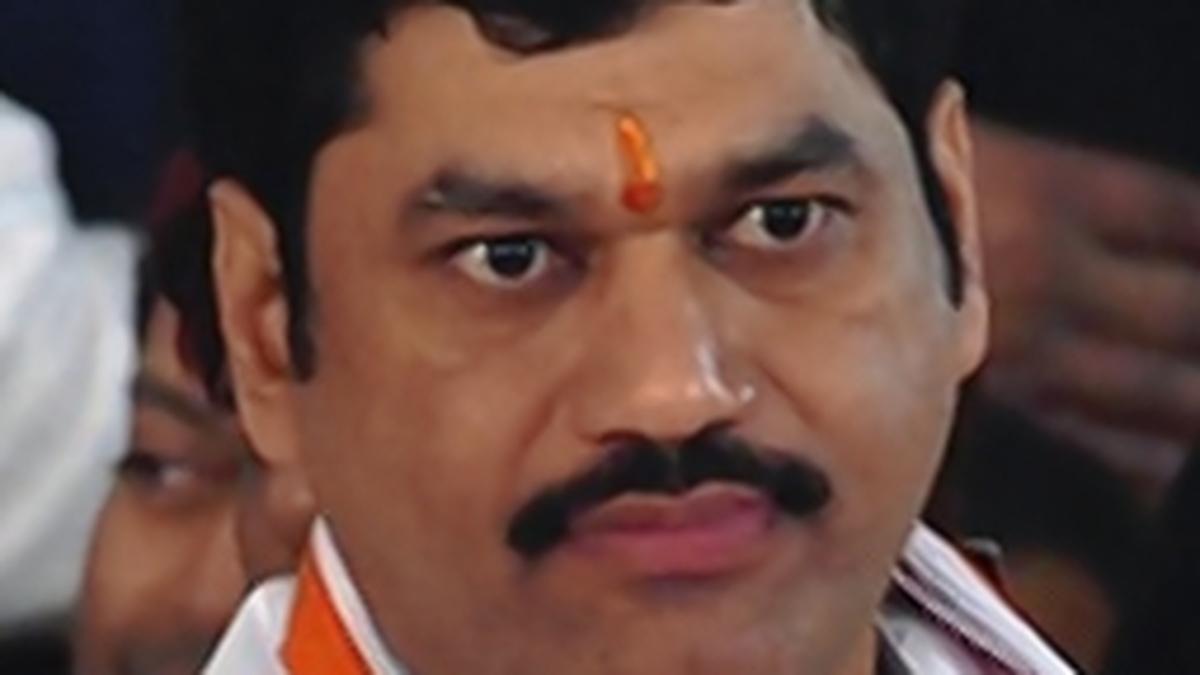
Maharashtra’s Food, Civil Supplies and Consumer Protection Minister Dhananjay Munde announced this week that he was suffering from Bell’s Palsy, which, he said, had severely affected his ability to speak. “Currently, I cannot speak properly for even two minutes, which has prevented me from attending cabinet meetings and public events,” Mr. Munde said in a social media post. About two weeks ago, the Minister had undergone eye surgery and had been advised to stay away from bright lights, dust and sun exposure.
Bell’s Palsy is a condition that causes weakness or temporary paralysis of the facial muscles. The movement of muscles in your face are controlled by a nerve called the facial nerve or the seventh cranial nerve. It is believed that when this nerve is inflamed or irritated, it can cause this condition. In general, Bell’s Palsy is temporary, and goes away in time. Also known as Idiopathic Peripheral Facial Palsy, it is named after Sir Charles Bell who was a Scottish surgeon, anatomist and neurologist and is considered to be the first to have described it in the early 19th century.
In most cases, the exact cause of Bell’s Palsy is unknown (idiopathic). Sometimes it may be caused by a reaction after a viral infection. Bell’s Palsy can affect anyone, at any age, but is more common in adults. Having diabetes and being pregnant may increase your risk of getting Bell’s Palsy. Other risk factors include preeclampsia, obesity, hypertension and certain conditions including Lyme disease and sarcoidosis.
Symptoms can come on suddenly and usually develop on one side of the face. They can include: facial drooping, difficulty in making facial expressions, drooling, difficulty in closing the eyelid, facial pain, trouble smiling, problems with taste and eating/drinking. In rare cases, both sides of the face may be affected.
Symptoms of Bell’s Palsy may look like the symptoms of other conditions including strokes and Guillain-Barre syndrome. It is important to see a doctor for the right diagnosis.
In most people symptoms of Bell’s Palsy usually start to improve within a few weeks and eventually go away completely. Most cases do not need treatment. However, doctors may prescribe medication to help such as eye drops/ointments, steroids to reduce swelling, antiviral medications and others. Most people recover completely and regain full facial strength. In rare cases however, the condition may be long lasting.


Pinarayi Vijayan criticizes Rahul Gandhi and Congress for allegedly aiding BJP's rise in various states during Kerala polls.

Sonia Gandhi is responding well to treatment for a systemic infection and remains under observation at a Delhi hospital.

J&K Police's Counter Intelligence Wing conducts raids in three districts linked to a transnational terror module operated by Lashkar-e-Taiba.

Vaccination policies must prioritize saving human lives over individual choice amid rising vaccine skepticism, asserts scientist Dr. Virander Singh Chauhan.

Seven Indian fishermen from Rameswaram arrested by Sri Lankan Navy, sparking protests and calls for government intervention.

Kerala cyber police file a case against X for an AI video allegedly defaming PM Modi and the Election Commission.

iKure and Izawa Co. partner to combat avoidable blindness by integrating innovative eye care technology into rural healthcare networks.

Thousand Lights MLA from the DMK N. Ezhilan, in an interview to The Hindu, observes that any popular personality entering politics will attract the limelight. But only a structured party machinery combined with popularity can ensure success. In this interview, he speaks about his tenure as first-time MLA from Thousand Lights Assembly constituency in Chennai, Vijay’s political entry shaping the 2026 elections, redressal of key grievances and more.

Abhishek Banerjee challenges BJP's Suvendu Adhikari in Nandigram, pledging community health initiatives if Trinamool Congress wins.

Rising LPG shortages in Karnataka boost firewood demand, reviving an informal market as households and hotels seek alternatives.

Against the backdrop of intense poll activity, a 400-metre stretch of an arterial road in the outskirts of Chennai (technically in Madurapakkam panchayat under Tambaram assembly constituency) presents a salute to the idea of res publica, which underpins India’s system of governance, where citizens have a say, at least before a government is securely ensconced in the seat of power. A Republic Day initiative shines bright every night

Fadnavis claims zero FIR in Ajit Pawar crash is a defamation attempt by Karnataka against Maharashtra's investigation efforts.

Set to unfold as a one-day pop-up on April 5, the Easter Sadya brings together both vegetarian and non-vegetarian menus, offering a peek into the food traditions of the Syrian Christian (Nasrani) community. While the traditional Sadya is often associated with dishes such as sambar, avial, and rice, this version expands to include community-specific festive dishes.