Advocates Say RFK Jr.’s Health Cuts Put Goal Of Ending HIV Out Of Reach
HuffPost
The Trump administration's cuts to HIV prevention will lead to new infections, medical costs and death, experts warn.
Doctors and public health advocates were once able to imagine the end of the HIV epidemic in our lifetime. The last four decades of scientific advancements had delivered new treatments and preventive medications that significantly curbed the rates of transmission and impacts of the once deadly virus. The number of new infections has dropped from more than 130,000 in the mid- 1980s to 37,000 by 2022 — and mortality rates have steadily dropped.
Millions in federal funding — supported by Democratic and Republican leadership alike ― had helped buoy a swath of programs and research into new injectable drugs for HIV prevention and treatment, which are long-lasting and less burdensome than daily medication, and can be used to address HIV disparities across race, gender and sexual orientation both in the United States and internationally.
“With the advent of injectables and how successful they’ve been, I think for many of us, for the first time in a long time, we could actually see what looked like the beginning of the end,” said Tori Cooper, the director of strategic outreach and training at Human Rights Campaign.
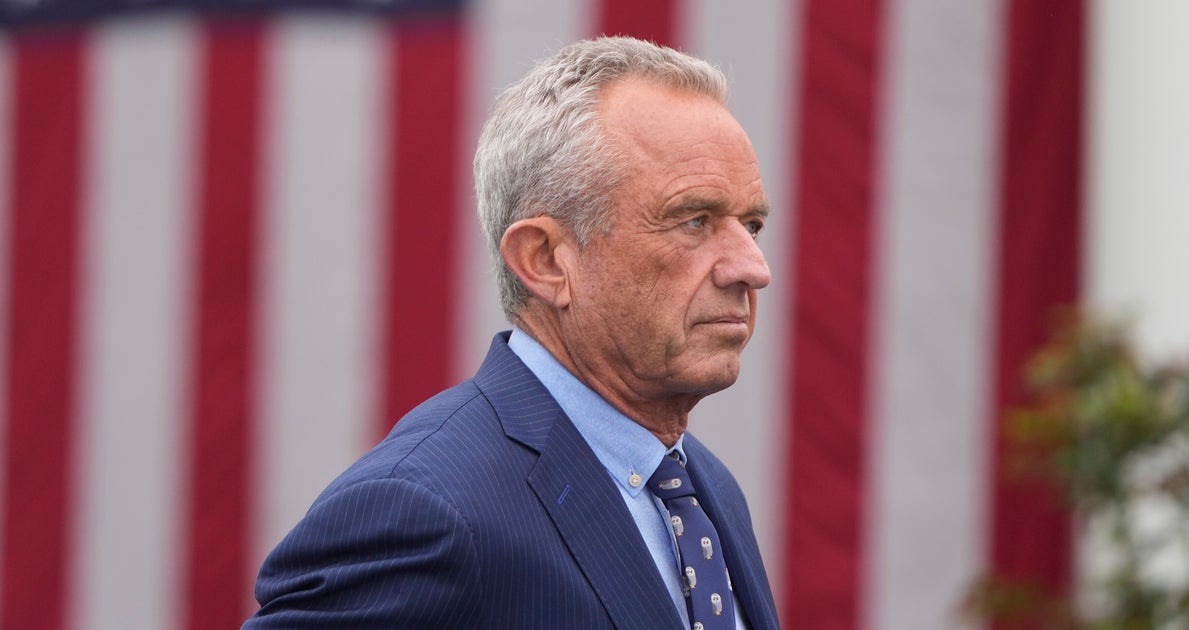
But in March, that glimmer of hope began to fade as the Trump administration decimated the nation’s HIV prevention programs as part of Robert F. Kennedy Jr.’s drastic overhaul of the Department of Health and Human Services agency.
The Office of Infectious Diseases & HIV Policy, which oversees the federal strategy on HIV prevention, shuttered its doors. Ten thousand federal health employees were laid off, including staff at five branches of the HIV prevention division of the Centers for Disease Control, who are tasked with tracking new infections and conducting research on strategies to reduce infection risk.


When asked about President Trump's latest threat to Iran, Secretary Scott Bessent had a chilling answer.

The possibility of an American ground operation in Iran is growing, but one service member familiar with troops in the region told HuffPost the prospect would be "an absolute disaster."

Brazilian soccer player Jorginho accused one of the singer's security guards of being "extremely aggressive" toward his family at a São Paulo hotel.

Brazilian soccer player Jorginho accused one of the singer's security guards of being "extremely aggressive" toward his family at a São Paulo hotel.

The possibility of an American ground operation in Iran is growing, but one service member familiar with troops in the region told HuffPost the prospect would be "an absolute disaster."

President Donald Trump took the United States to war without a vote of support from Congress.

President Donald Trump on Saturday wrote on social media, "Robert Mueller just died. Good, I'm glad he's dead."

Stephanie Ruhle said after weeks of trying to get President Donald Trump on the phone, he finally picked up and sniped at her.

"Robert Mueller just died," Trump posted on Truth Social. "Good, I’m glad he’s dead. He can no longer hurt innocent people!"

Long before the Mueller report, Robert Mueller served as a Marine in Vietnam, prosecuted John Gotti and overhauled the FBI.

The lawyer served as special counsel overseeing the investigation into Russian interference in the 2016 election.

Gov. Josh Green said the cost of the storm could top $1 billion, including damage to airports, schools, roads, people's homes and a Maui hospital in Kula.

“What they're doing in trying to affect and buy an election by coming in and spending $10 million at the last minute — all it did was turn voters against them,” Sen. Tammy Duckworth told HuffPost.