A year after defeat, Higgs haunts debate over PC Party’s direction
CBC
He haunts them still.
In New Brunswick politics, most defeated premiers exit quietly, staying out of debates within their parties about what future direction to take or who should be the next leader.
Blaine Higgs was always different. He still is.
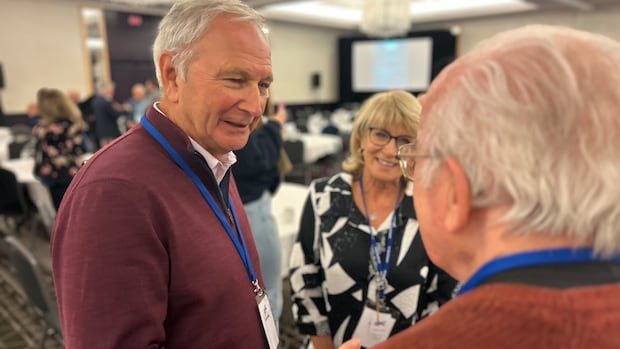
Over the weekend, Higgs appeared at the Progressive Conservative Party’s annual general meeting and weighed in on possible leadership candidates, the 2023 caucus rebellion against him, and even on whether to rename the party.
He told reporters that trying to make the PCs a broad-based, “big tent” party was a fool’s errand because many “Progressive” Conservatives are really Liberal, NDP and Green sympathizers.
“So they shouldn’t be part of the party,” Higgs said.
Removing the word “Progressive” from the party’s name was an “interesting” idea, he added.
“Our party needs to decide who we are as Conservatives. We can chase the whims of the public, and people can say that’s the only way you get voted in to be government."
“Is it all about being elected as government, or is it about making a difference in the province?”
That is the central dilemma facing the Tories after the defeat that ended six years in power: should they turn away from Higgs’s vision and broaden the base in an effort to win in 2028?
Over his 14 years in public life, Higgs often said the compromises and concessions of middle-of-the-road party politics were an obstacle to governing effectively and affordably.
He said Saturday that he tried the big-tent approach in 2017 when he lured former NDP leader Dominic Cardy into the party and it clearly hadn’t worked.
Cardy quit as education minister in 2022, and Higgs’s comments imply it wasn’t his fault.
Many of the former premier’s internal PC critics disagreed. They felt he neglected the basic obligations of party leadership: to consider different viewpoints, to make ministers and MLAs feel valued, to forge a consensus.


Finance Minister Eric Girard is set to table Quebec’s provincial budget on Wednesday — less than a month before the Coalition Avenir Québec (CAQ) chooses a successor to Premier François Legault.

Manitoba's finance minister says the NDP is funding education adequately, yet won't acknowledge some school divisions are raising taxes because they feel provincial funding hasn’t kept pace.

Saskatchewan's Serious Incident Response Team (SIRT) says an RCMP officer who struck a teen with a police truck during a high-speed chase on Kawacatoose First Nation last year should not be charged.

Finance Minister Jim Reiter unveiled his footwear for Wednesday's provincial budget: The same black shoes as last year.

A new report by the Alberta Council of Women's Shelters highlights the importance of investing in transportation in rural parts of the province in order to save lives.

B.C. Premier David Eby has signalled he won't support the federal government's move to temporarily increase rural employers' allowances for temporary foreign workers, saying there should be a pathway to permanent residency instead.

P.E.I. Progressive Conservative MLA and cabinet minister Mark McLane has died, with Premier Rob Lantz paying tribute to his colleague as someone who could always be counted upon.

Whitehorse city council is considering a proposal to study 14 lots throughout the city for housing development.

In the closing days of the NDP leadership race, Avi Lewis's past activism has resurfaced. But the front-runner's campaign is standing by his past work and a decade-old vision that's been both criticized within the New Democrats' ranks and weaponized by their opponents.

Some rural municipalities want the province to know ambulance response times and basic care in their communities are not meeting the mark.

The sighting of a sniper on Saturday during St. Patrick’s Day celebrations in Waterloo was met with fear and shock by some partygoers, but one policing expert says this was a proactive measure designed to keep the crowd safe.

A 25-year old Prince Edward Island man has been sentenced to six months in jail for firearms offences.

Closing schools, stalled housing starts — not common headlines in Alberta's booming cities.