A model for tackling human-animal conflict Premium
The Hindu
The TN forest department is at the forefront of cutting-edge conservation strategies in India, giving animals involved in human-wildlife conflict the greatest possible chance to live out their lives in the wild.
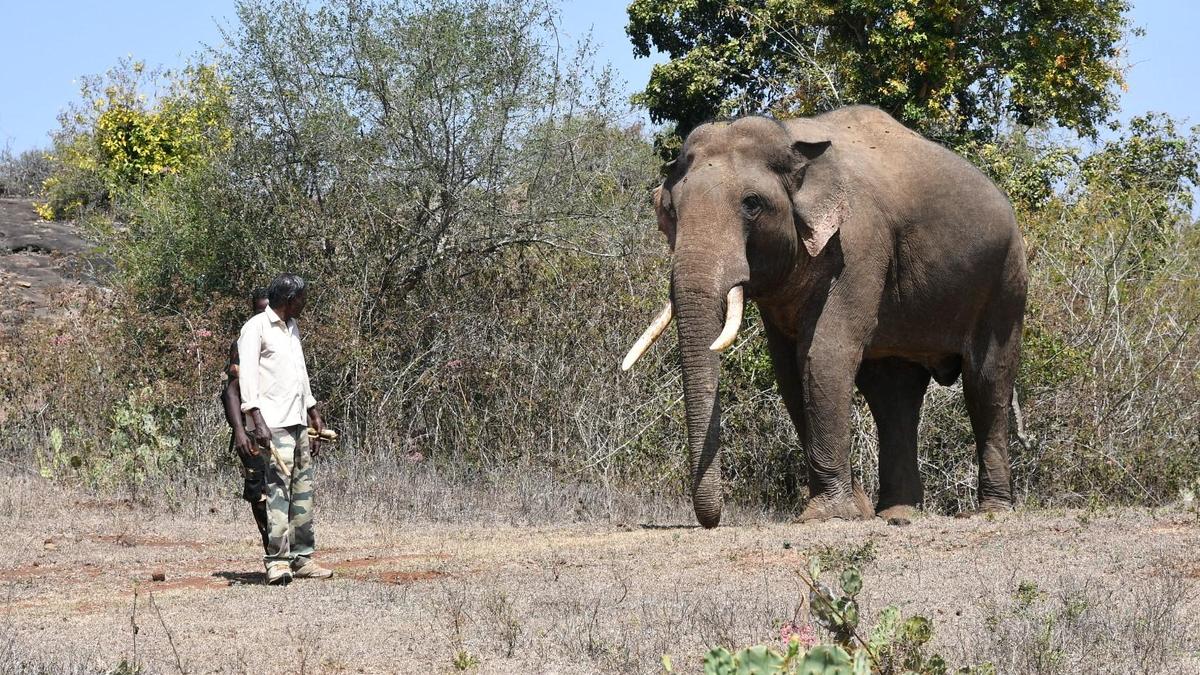
The fates of Rivaldo and Ronaldo, two tuskers named after iconic Brazilian footballers, inhabiting the notified Sigur Elephant Corridor in the Nilgiris, have become powerful case studies on the risks faced by wildlife caught in human-animal conflict. While Ronaldo met a tragic end due to negative human-elephant interactions, the story of Rivaldo offers a contrasting narrative: one that reminds us there is still hope for coexistence.
In 2021, Ronaldo died a slow and painful death after sustaining severe burn injuries when the owner of an illegal resort hurled a burning projectile at him as he approached the property in search of food. Rivaldo, on the other hand, continues to roam free today, following an intensive rewilding effort by the Tamil Nadu Forest Department aimed at steering him away from human settlements.
The measures taken to rewild Rivaldo, who would otherwise have had to live out his life in captivity, demonstrate how the department is at the forefront of cutting-edge conservation strategies in India, giving animals involved in human-wildlife conflict the greatest possible chance to live out their lives in the wild.
The process was extremely resource-intensive, one that involved forest staff guarding Rivaldo round the clock and preventing his entry into human habitations. The iconic Mudumalai tusker, who has shown no signs of aggression towards people, continues to regularly interact with other elephants in the area.
Similar success stories exist across the State, including that of the elephant Arikomban, who was relocated to the Kalakkad Mundanthurai Tiger Reserve (KMTR) after entering Tamil Nadu from neighbouring Kerala.
“Unless there is a long, documented history of a single elephant having repeated negative interactions with people, or there is an immediate risk of the animal endangering itself or humans, the State Forest Department’s de facto policy over the years has been to attempt to drive the animal back into surrounding forests or relocate it to other forest areas,” said a senior Forest Department official. The official added that while relocation is not a guaranteed solution to mitigating conflict, it offers elephants the best chance of finding an ecological niche that can discourage crop-raiding or entry into human settlements in search of food.


Karnataka's 2026 budget highlights the 11G model economy, and emphasizes cooperative federalism for sustainable development.

US President Donald Trump and Attorney General Pam Bondi were sued Thursday over the U.S. government’s approval of a deal by TikTok’s Chinese owner ByteDance

TMC files nominations for four Rajya Sabha seats in West Bengal, while BJP nominates one candidate ahead of March 16 elections.

Protesters in Chikkamagaluru demand urs rituals at Bababudangiri shrine, alleging state administration undermines its syncretic heritage.

Tamil Nadu government establishes SOP for engaging Senior Advocates in Supreme Court cases to ensure effective legal representation.

Mrithyunjay offers a partly engaging crime drama, bolstered by Sree Vishnu's performance but hindered by convenient writing choices.

Mumbai Mayor requests Gujarat CM for two pairs of Asiatic lions to enhance the city's zoo experience.

Linguist Ganesh Devy warns that Special Intensive Revision threatens India's Constitution, alleging manipulation of data and weakening citizen rights.

Taranjit Singh Sandhu appointed as Delhi's new Lieutenant Governor; know all about his background, career, and political journey.

The TN forest department is at the forefront of cutting-edge conservation strategies in India, giving animals involved in human-wildlife conflict the greatest possible chance to live out their lives in the wild.

PalTech Certified as a Great Place to Work® for Third Consecutive Year; Reinforces Culture-Driven Growth

Karnataka Budget 2026-27: Follow live updates of the 2026-27 Karnataka State Budget, on March 6, 2026

The Trump administration is following through with its threat to designate artificial intelligence company Anthropic as a supply chain risk in an unprecedented move that could force other government contractors to stop using the AI chatbot Claude.