A major change could be coming in mental health diagnoses, psychiatrists say
USA TODAY
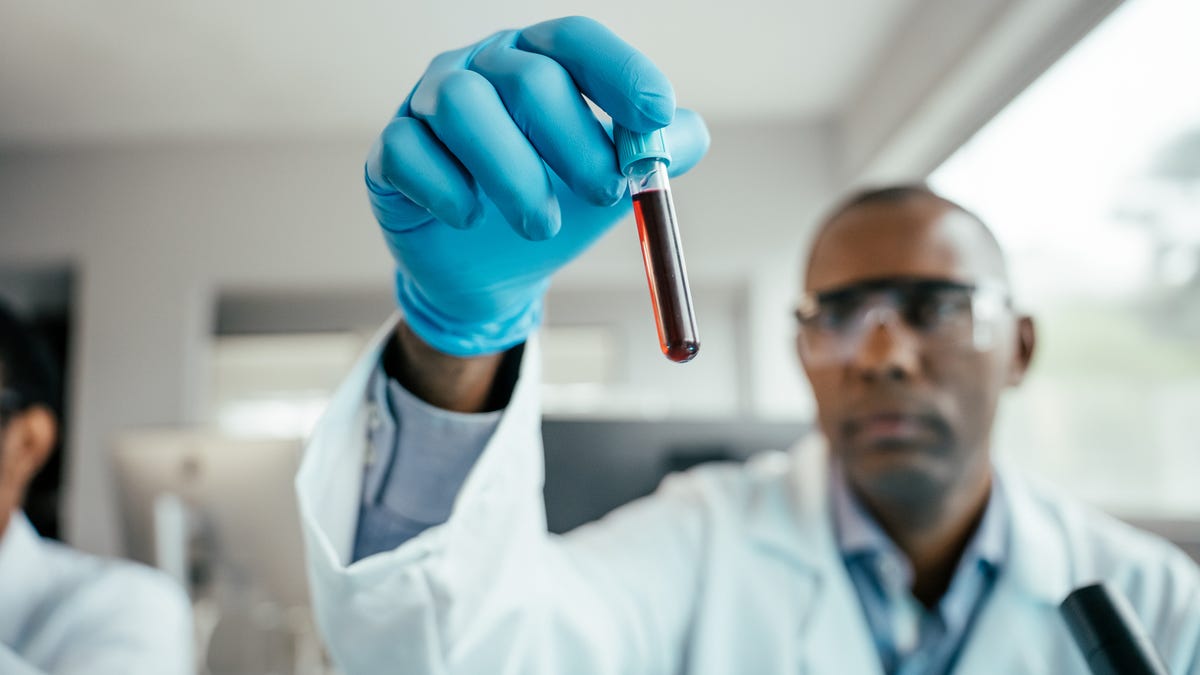
The world’s largest professional psychiatry organization is preparing for the day when biological indicators help diagnose and treat mental illness.
Amanda Miller was 30 and pregnant with her second child in Hershey, Pennsylvania, when she developed depression. After giving birth, her depression worsened. It was joined by a slew of unexplained health problems.
Miller, a neuroscientist, said she saw several psychiatrists and got prescriptions for drug after drug. Over two years, she tried four antidepressants and two antipsychotics. None of that helped – until her primary care doctor noticed high levels of an autoimmune marker in her blood.
A specialist then ran “every test in the book,” Miller said. Eventually, she was diagnosed with the autoimmune disease lupus and prescribed an inflammation-lowering steroid. Some of her symptoms let up within hours. Her depression subsided not long after.
“I was convinced it was a placebo effect,” Miller said, “but then it kept working.”
Had inflammation been contributing to her mental health problems all along? Miller thinks so, although she can’t know for sure. Her psychiatrists never raised that possibility, she said.


Monica Goods, an 11-year-old girl, was killed after her family's car was rammed while being pursued by the state trooper.

A 5-year-old in Colorado was killed in his home, and authorities suspect his older brother of the crime.

Ayman Mohamad Ghazali, of Dearborn Heights, was identified as the suspect who on March 12 rammed his truck into Temple Israel in West Bloomfield.

Clergy and staff members at the temple had just undergone FBI-led active-shooter training in January, according to the bureau's Detroit field office.

Gerry Goldberg's wife Andie was killed at a the intersection in 2024. He advocated to make it safer, but was killed there in a March 2 crash.

As TSA officers work without pay amid a partial government shutdown, security experts say the threat of terror linked to the Iran war has risen.

The murder of Denise Amber Lee in Florida exposed the vulnerabilities of the 911 system nationwide and led to reform within the industry.

Ayman Ghazali made the purchase at Phantom Fireworks in Michigan in the early afternoon on March 10, a company executive told the Detroit Free Press.

Local prosecutors confirmed to USA TODAY charges were dropped without elaborating on what prompted the change.

A brief clip of a DoorDasher dropping off a food delivery led to over a half a million dollars in donations. See what happened.

A cargo resupply spacecraft is on its way back to Earth from the International Space Station, where it will make a fiery reentry Saturday, March 14.

Authorities are still investigating what led to the shooting that left an instructor dead and two students wounded. Here's what we know so far.

Relatives of the attacker who rammed his truck into a synagogue outside Detroit were killed in an Israeli airstrike in Lebanon, a local official said.