72-hour Winnipeg detox centre can now take in people under influence of drugs like meth
CBC
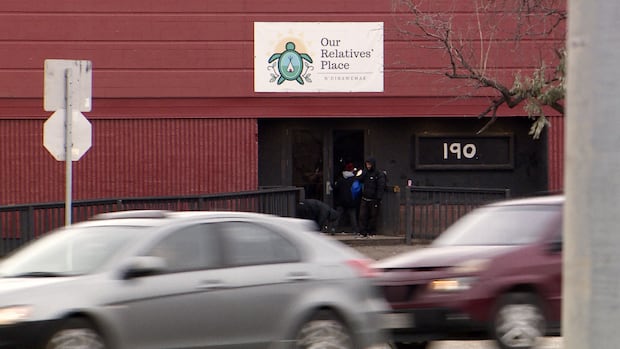
A 72-hour detox centre in Winnipeg is officially able to take in people highly intoxicated on drugs like meth as of Wednesday, after medical professionals gave final approval to move forward, Manitoba's premier says.
Wab Kinew said it took longer than expected to ensure the right training and resources were in place for medical staff at the Disraeli Freeway protective care facility to feel prepared to handle unique challenges associated with a patient high on meth.
It was important to heed advice from experts before making the change, he said.
"It's just making sure that the equipment, the facility, the expertise, the training for the people who are going to be in this protective care centre … is all up to par to deal with somebody who's under mess psychosis, which could be a very, very challenging situation," Kinew told media in his office on Wednesday.
Four of 20 beds at the detox centre are devoted to such patients right now, with more on the way, Kinew said.
The announcement came after the first question period of the spring session wrapped.
The original timeline for having the centre ready to take in people high on drugs was last fall, in the weeks after Addictions Minister Bernadette Smith introduced new detox legislation.
The Protective Detention and Care of Intoxicated Persons Act, passed in early November, increased the length of time intoxicated people can be detained in Manitoba from 24 hours to 72.
The NDP government said the change was required to meet the unique challenges associated with people high on methamphetamines who may cause harm to themselves or others, or damage property.
Some argued detaining people in this way might criminalize or stigmatize drug misuse and addiction.
The province's former chief psychiatrist, among others, suggested there wasn't much precedent to support a three-day detention centre and raised questions about possible complications with patients.
The chief of Winnipeg police spoke in support of the bill, as did a group of doctors who also wanted the NDP to ensure certain health and safety standards were in place.
"When you're talking to a group of physicians about [how] we're going to move somebody who would otherwise be in emergency room care, you have to have a very high standard of care at the alternate location, and so we've been taking the time to listen and respond," Kinew said Wednesday.
"When the physician made the case, when the other medical folks made their case, it's pretty important that we get it right."


Pregnant patients requiring emergency or specialist care are being diverted from Vancouver General Hospital (VGH) due to a lack of on-call obstetricians.

Brian Da Costa, an alleged drug trafficker accused of bribing Toronto police officers in Project South, has been ordered not to contact a co-accused of alleged cocaine kingpin Ryan Wedding as part of his bail conditions.

Maritime Electric made its final arguments to the Island Regulatory and Appeals Commission this week in its application to recovery $42.1 million in costs it absorbed from the cleanup after post-tropical storm Fiona struck P.E.I. in 2022.

Tourmaline Oil Corp. says it has sold natural gas assets in northwestern Alberta for $765 million.

Toronto police Chief Myron Demkiw said “a lot of work is already underway” to strengthen accountability in the force at the police board’s first meeting since multiple officers were charged last month in a wide-ranging crime and corruption probe.

The N.W.T. needs up to 2,700 homes just to meet current demand, and it must build thousands more to replace aging dwellings, according to the government's first comprehensive analysis of housing needs in 26 years.

Artificial Intelligence Minister Evan Solomon says OpenAI's CEO agreed to let Canadian experts into its safety office to help evaluate future threats following the mass shooting in Tumbler Ridge, B.C.

Newly released financial documents for last year's municipal election show The Calgary Party more than doubled its competitors in spending.

Alberta is not ready to deal with the threat of online disinformation coming from foreign actors in a possible referendum campaign on separation this fall, according to national security experts.

Fuel prices on Prince Edward Island rose overnight Wednesday, and energy experts say more increases could be on the way if tensions in the Middle East continue.

The Alberta Teachers' Association was in court Wednesday asking a judge to temporarily suspend the province's Back to School Act while the union’s broader constitutional challenge proceeds later this year.

An elder in Taloyoak says publishing her first book is a dream come true.

Prime Minister Mark Carney has shaken up the senior ranks of the public service, creating and expanding some roles in a continued effort to put his stamp on the machinery of government.