Why You Should Stop Saying 'Committed Suicide'
HuffPost
The phrase is stigmatizing in a lot of outdated, insensitive ways.
Your words matter, especially when it comes to mental health. One phrase that you may not be aware is particularly egregious? “Committed suicide.”
It’s an expression that many people still lean on, both in the news and in outside conversations. (Take one look at headlines and internet discourse after the deaths by suicide of celebrities or other notable people.)
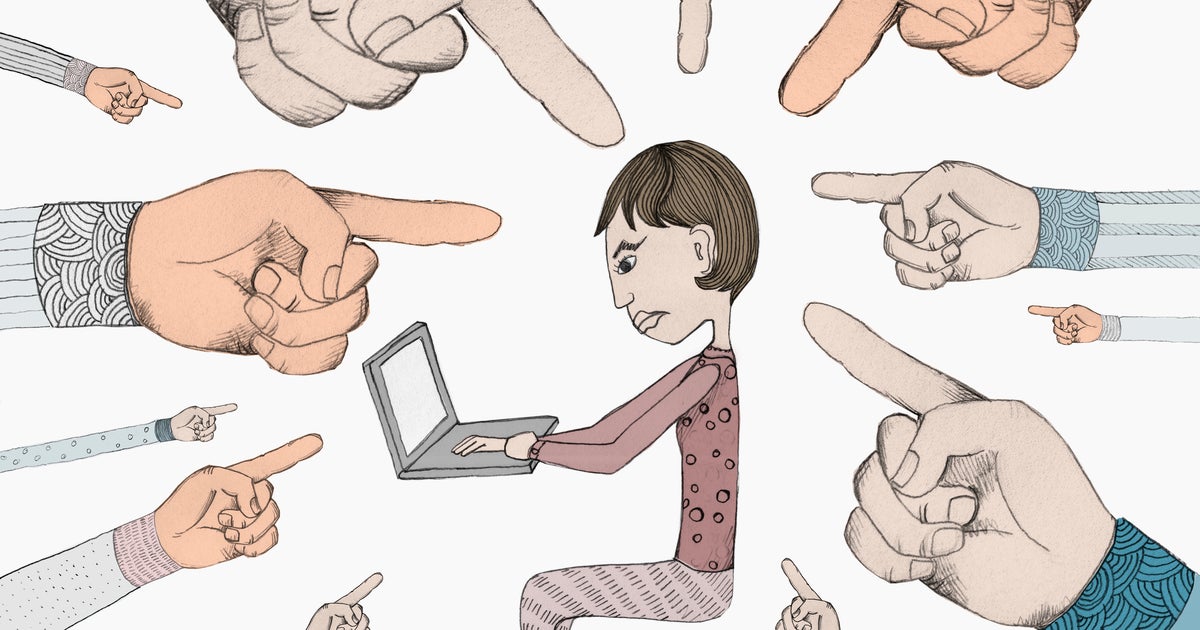
While the term may seem innocuous, it’s actually laden with blame and stigma. So much so that reporting guidelines outlined by mental health and media organizations strictly advise against using it.
“The term ‘committed suicide’ is damaging because for many, if not most, people it evokes associations with ‘committed a crime’ or ‘committed a sin’ and makes us think about something morally reprehensible or illegal,” said Jacek Debiec, an assistant professor in the University of Michigan’s department of psychiatry who specializes in post-traumatic stress and anxiety disorders.
The phrase “committed suicide” also ignores the fact that suicide is often the consequence of an unaddressed illness (like depression, trauma or another mental health issue). It should be regarded in the same way as any physical health condition, said Dan Reidenberg, a mental health expert and the former executive director of Suicide Awareness Voices of Education.


Three experts on bone health explain why your bone density is important, and the types of exercise that can help.

They eat it themselves, and they encourage patients to have more of it, too.

The ’90s hair accessory is having a resurgence thanks to “Love Story: John F. Kennedy Jr. & Carolyn Bessette.” But doctors have a warning.

It’s easy to think you know everything about the person you’re with.

Here’s what eco-dietitians want everyone to take away from the Vital Farms egg controversy, and what labels to look for at the store.

There are scores of toothpastes available on the shelves, but dentists say there are right and wrong options.

Yes, there's a high likelihood that your parents and grandparents are still having sex.

Doctors share their thoughts on what’s normal when it comes to gas and what needs to be checked out.

The United States is getting slammed by a stretch of weather extremes.

There’s a useful chart that can help you determine if your stool falls into a healthy or not-so-healthy category.

If you and your friends still keep tabs on that girl from high school, this is for you.

These lazy (but legit) meals are homemade as hell, and much more satisfying than takeout.

You'll need a portable phone charger, compact backpack and some first aid before you pack up and go on a trip outside the country.