Why is artificial rice being distributed through India’s public distribution system? | In Focus podcast
The Hindu
In this episode, Anumena Yadav speaks to us about whether there is scientific evidence that fortified rice is the best solution for anaemia, and if there is an alternative for people who cannot afford it.
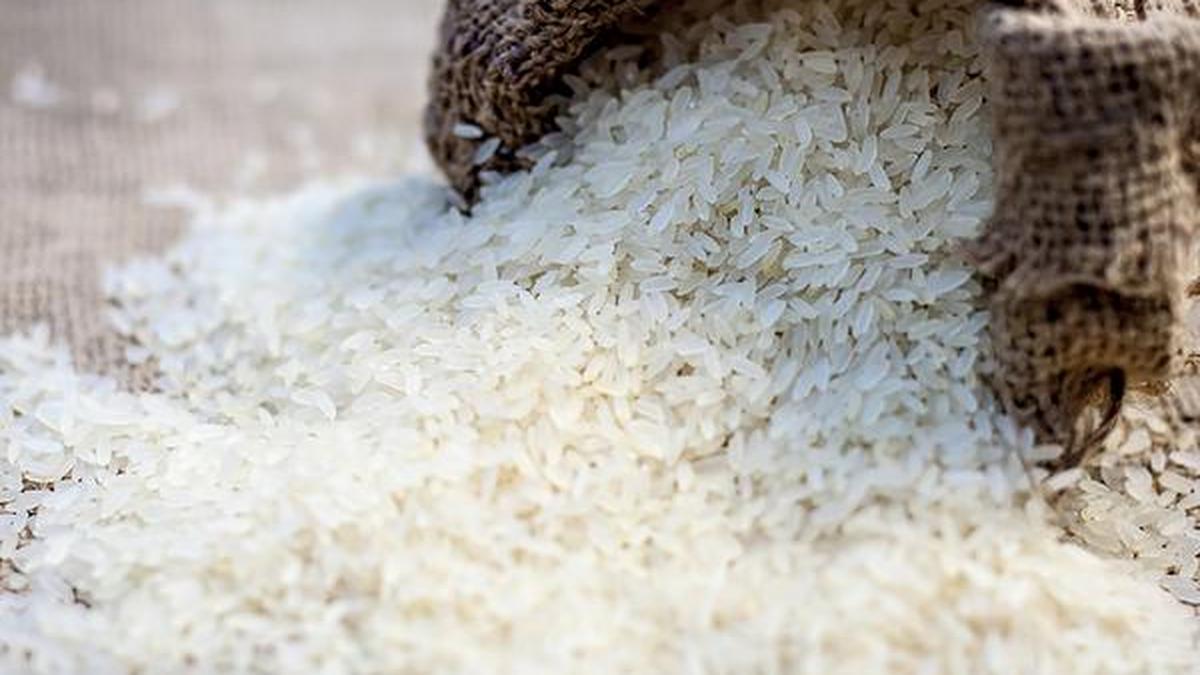
India’s public distribution system – its ration shops – through which subsidised food grains are distributed to the poor is the largest such welfare programme in the world. It is a lifeline that saves millions from hunger. But for the past few years, the Union government has been running pilot projects where fortified rice --- rice enhanced with iron and vitamins – is being distributed instead of natural grains. The reason given by the government for this switch is that it will reduce anaemia in the population.
But a great number of the poor – especially the adivasi communities – do not like it, calling it ‘plastic rice’. Public health experts have also advised caution on giving this rice to people with sickle cell anaemia and thalassemia – and there is a high incidence both among the beneficiaries of the PDS in India.
Despite problems at the pilot stage, and reports about lack of adequate quality control and testing infrastructure, the government has a target of scaling up fortified rice universally from March 2024.
Is there scientific evidence that fortified rice is the best solution for anaemia? Does a poor person who cannot consume fortified rice for medical reasons have an alternative? And what exactly is driving the mega-push towards fortified rice in a country where local grain varieties with higher iron content are available?
Guest: Anumena Yadav, a freelance journalist who has done extensive ground reportage on this subject.
Host: G. Sampath, Social Affairs Editor, The Hindu.
Edited by Sharmada Venkatasubramanian.


Telangana's revised pay scale implementation for employees will take timer. The tenure of Pay Revision Commission extended. Govt likely to take decision on reccomendation based on its report.

Vizianagaram's SP A.R. Damodar highlights 20 accident-prone areas and urges drivers to prioritize safety with helmets and seat belts.

Kerala HC stays disqualification of SNDP Yogam leaders, reversing a single judge's order regarding financial and regulatory compliance issues.

Karnataka announces daily supply of 10,000 LPG cylinders to hotels, easing the commercial shortage for the hospitality industry.

Malayalam superstar Mohanlal will be reuniting with filmmaker Priyadarshan, it was announced recently. It will mark the 100th film of Priyadarshan and is backed by Mohanlal’s longtime collaborator, Antony Perumbavoor

Gautham Vasudev Menon loses Madras High Court appeal, ordered to pay ₹4.25 crore to R.S. Infotainment with interest.

AIADMK faces its toughest challenge in 53 years as it prepares for the crucial 2026 T.N. Assembly elections.

Lakmé Fashion Week x FDCI 2026 in Mumbai: What worked and what didn’t

Telangana CM announces underpass beneath Begumpet Airport runway to alleviate traffic congestion in Hyderabad.

Congress leader Ramesh Chennithala claims an alliance between Pinarayi Vijayan, Modi, and Shah aims to undermine UDF in Kerala elections.

CCB arrests Bengaluru couple for running a fake government job scam, cheating over 100 victims out of crores.

The enduring legacy of Araiyar Sevai

Telangana integrates with the 'Vahan' platform and eliminates 2% tax on second vehicles, enhancing transport services and transparency.