What will determine the Papal Conclave? | Explained
The Hindu
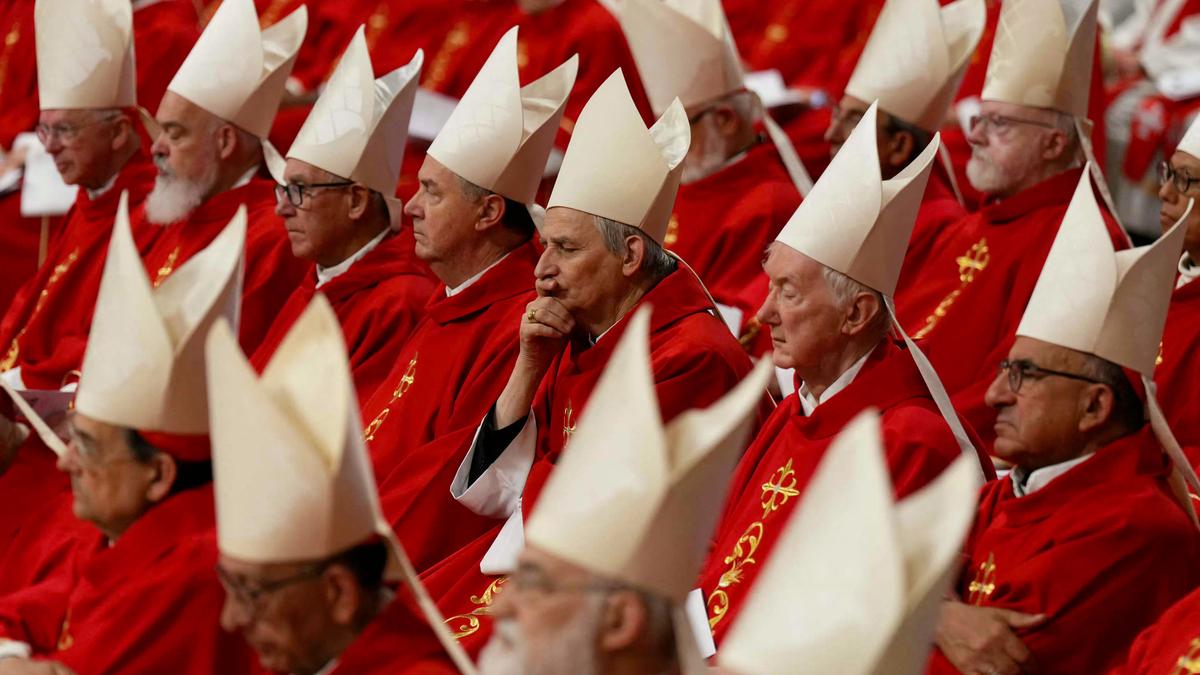
The upcoming Papal Conclave: a complex interplay of spiritual and political forces shaping the future of the Catholic Church.
The story so far:
Following the death of Pope Francis on April 21, the Catholic Church entered into the sede vacante(the time for which the papal seat is empty). This period culminates in the Papal Conclave, the ancient ritual to elect the next Pope. While deeply spiritual, the Conclave is also a political process — a complex interplay shaped by rules, personalities, historical precedents, and the significant, sometimes controversial, legacy of the previous pontificate.
Also Read: Pope Francis | 1936-2025
The Universi Dominici Gregis (UDG), an apostolic constitution, governs the process. It dictates strict procedures, and demands secrecy and complete isolation within the Vatican City. This enforced secrecy aims to minimise external influence. However, it simultaneously creates a unique internal political environment. Here, influence hinges on pre-existing relationships, sharp negotiation, and the persuasive efforts of respected figures — the ‘great electors’ — working behind the scenes to build alliances and steer votes. Sequestered, cardinal electors are incentivised to make their choice based on their own conscience, free from external lobbying. Also significant is the fact that a successful candidate requires a a two-thirds majority. This necessitates consensus-building, favours compromise and candidates acceptable across different blocs, preventing any narrow faction from dominating.
Only cardinals under 80 years, at the time of the Pope’s death or resignation, have voting rights. However, cardinals over the age-limit can still participate in pre-Conclave general congregations, leveraging their experience and clout, potentially swaying less experienced cardinals before voting even begins.
The current electorate was significantly shaped by Pope Francis; he appointed approximately 80% (around 108 of the 135 expected attendees) of the voting cardinals. He frequently exceeded the nominal 120-elector limit set by Paul VI — a clear exercise of papal prerogative, allowing a Pope to rapidly influence the body choosing his successor.
Significant ideological differences mark the College of Cardinals, broadly reflecting the intense debate over Pope Francis’s legacy and the Church’s future path. Broadly there are two major camps — reformist and conservative. The reformist/progressive faction supports Pope Francis’s vision. They emphasise pastoral theology (more practical application) over rigid doctrine, encourage synodality (a more consultative Church), prioritise social justice — poverty, migration, climate change — and favour greater inclusion of women and other marginalised groups such as LGBTQ+ Catholics.


Saudi Arabia expels Iranian military staff amid escalating tensions and ongoing missile attacks during the U.S.-Israeli war on Iran.

Russia claims control of Potapivka village in Ukraine's Sumy region amid ongoing military efforts to establish a buffer zone.

Iranian missile strikes on Israeli towns cause widespread damage and injuries, marking a significant escalation in the ongoing conflict.

As Gor makes first trip as U.S. Special envoy to South Asia, Delhi watches strategic signals closely
Sergio Gor's inaugural trip as U.S. Special Envoy to South Asia signals strategic U.S. engagement amid regional tensions.

Slovenians vote in a tight election between liberal and populist candidates, impacting the country's future domestic and foreign policies.

Netanyahu asserts U.S.-Israel alliance fights Iranian threats, emphasizing global security after missile strikes on Israeli and European targets.

Israeli settlers attack Palestinian villages in the West Bank, causing injuries and destruction amid ongoing settlement expansion.

Britain asserts no evidence of Iran planning missile strikes on Europe, despite Israeli claims of missile capabilities.

UNESCO reports over half of countries have banned phones in schools due to concerns about attention, cyberbullying, and social media impact.

Analysis reveals a U.S.-operated Patriot missile likely caused a pre-dawn explosion in Bahrain, injuring numerous civilians.

Sri Lanka raises fuel prices by 25% amid ongoing West Asia conflict, impacting petrol and diesel costs significantly.

Iran strikes near Israeli nuclear research center as Trump threatens attacks on Iranian power plants
Iran's missile strikes near Israel's nuclear site escalate tensions as Trump threatens retaliation against Iranian power plants.

Saudi Arabia intercepts one of three ballistic missiles targeting Riyadh amid ongoing regional tensions and threats from Iran.