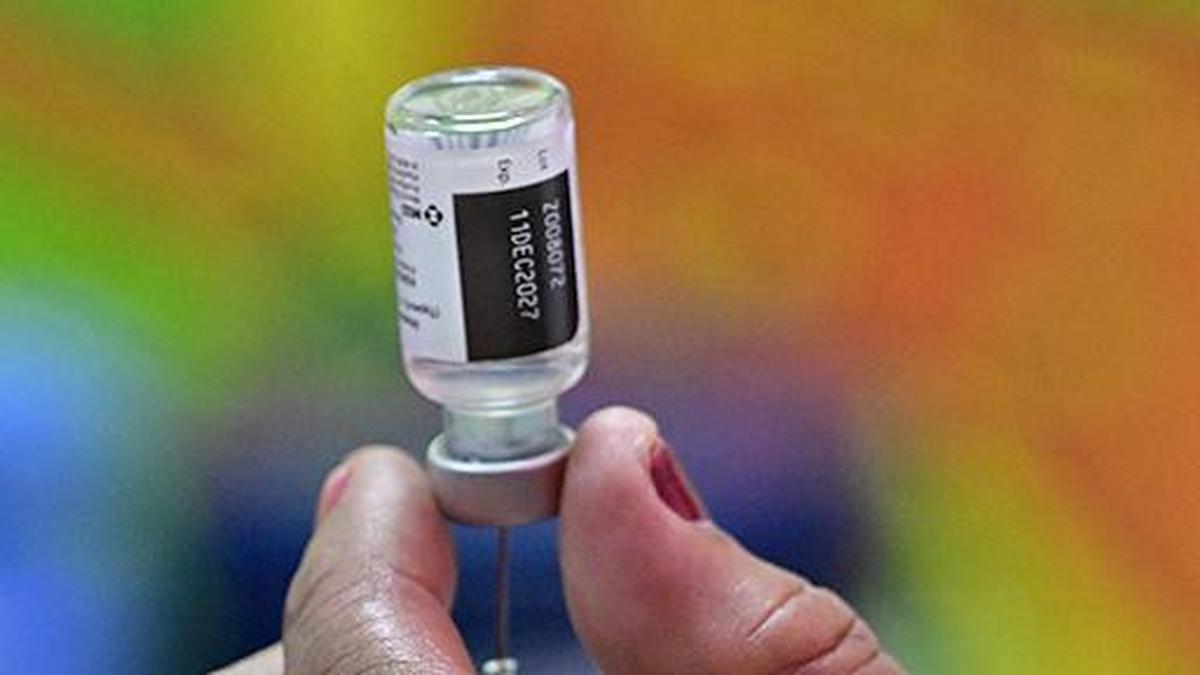
What’s missing in the conversations about the HPV vaccine? Men Premium
The Hindu
Explore the critical role men play in HPV prevention and the importance of inclusive vaccination for better health outcomes.
For decades, our conversations about sexual health and cancer prevention have focused on the cervical cancer vaccinefor women. In classrooms, hospitals, and government policy briefings, the Human Papillomavirus (HPV) vaccine has been framed almost exclusively as a ‘woman’s issue’. While well-intentioned, this has created a dangerous cultural blind spot. It has painted a picture where women are the only victims of HPV and solely responsible for its prevention, while men who are the silent carriers, remain unprotected, uninformed, and pose a silent hazard to themselves and their partners.
It is time for a shift. HPV does not discriminate; it is not just a “women’s virus”: to truly eliminate the spread of HPV, we must bring men into the fold as well.
The most common misconception about HPV is that if you do not have a cervix, you are safe. Scientifically, this is far from the truth. While the virus causes 99% of cervical cancers, it is also the primary culprit behind a rising tide of other malignancies. In men, persistent high-risk HPV infection is responsible for a significant percentage of penile, anal, and oropharyngeal (throat and mouth) cancers.
A landmark study published in The Lancet Global Health (September 2023) which pooled data from over 30,000 men globally, revealed a startling statistic: at least one in three men over the age of 15 is infected with at least one genital HPV type.Furthermore, one in five men carry high-risk cancer-causing strains of the virus. This prevalence is actually higherin men than in women across almost all age groups. Because men do not undergo routine screenings such as Pap smears, they often harbour the virus for decades, unknowingly acting as a reservoir for the infection.
For a woman, the journey to prevent cervical cancer is often marked by invasive exams, anxiety-inducing screenings, and the social stigma of a ‘positive’ result. For men, the experience is often one of total ignorance. A man can carry high-risk HPV for decades without a single symptom, only to be diagnosed with advanced throat cancer in his 50s.
This creates a profound ethical question about responsibility. In many relationships, the burden of sexual health – from contraception to cancer screening – falls solely on women. By refusing to acknowledge the role of men in the HPV transmission chain, we are forcing women to protect themselves from a virus that their partners are often supplying in ignorance.


Kejriwal blames PM Modi for LPG shortages, potential unemployment for 1 crore, and damaging India's non-aligned foreign policy.

Protest in Kozhikode as PWD Minister Riyas leads parallel inauguration, criticizing his exclusion from PM Modi's official ceremony.

Air India and Air India Express will operate 58 flights to West Asia amid regional airspace restrictions.

Heatwave expected in parts of Maharashtra, with rain forecasted in South Maharashtra, Marathwada, and Vidarbha over the coming days.

Explore the critical role men play in HPV prevention and the importance of inclusive vaccination for better health outcomes.

A girls' football match in Kolkata highlights ongoing struggles for women's visibility and access in sports amid societal challenges.

Lawyer requests Madras High Court to address rising sexual offences against children in Tamil Nadu through a public interest litigation.

KSRTC buses will transport devotees to Gopalaswamy Betta for the annual jatra on March 15; private vehicles must park nearby.

Telangana considers additional LPG supply measures amid rising demand and West Asia conflict, ensuring household availability and addressing commercial shortages.

Shiv Pratap Shukla is sworn in as Telangana Governor, succeeding Jishnu Dev Varma in a ceremony at Lok Bhavan.

Thinking Machines Lab said it has struck a multi-year partnership with Nvidia that will see it receive a significant investment

The European Parliament on Tuesday called for new EU-wide rules to protect copyrighted content in the bloc from generative AI use.

Kochi Corporation removes BJP's PM Modi welcome materials, citing Kerala High Court directions to prevent public space defacement.