What is the PSLV? Premium
The Hindu
ISRO's PSLV-C61 mission to launch EOS-09 satellite ends in failure due to third-stage rocket problem.
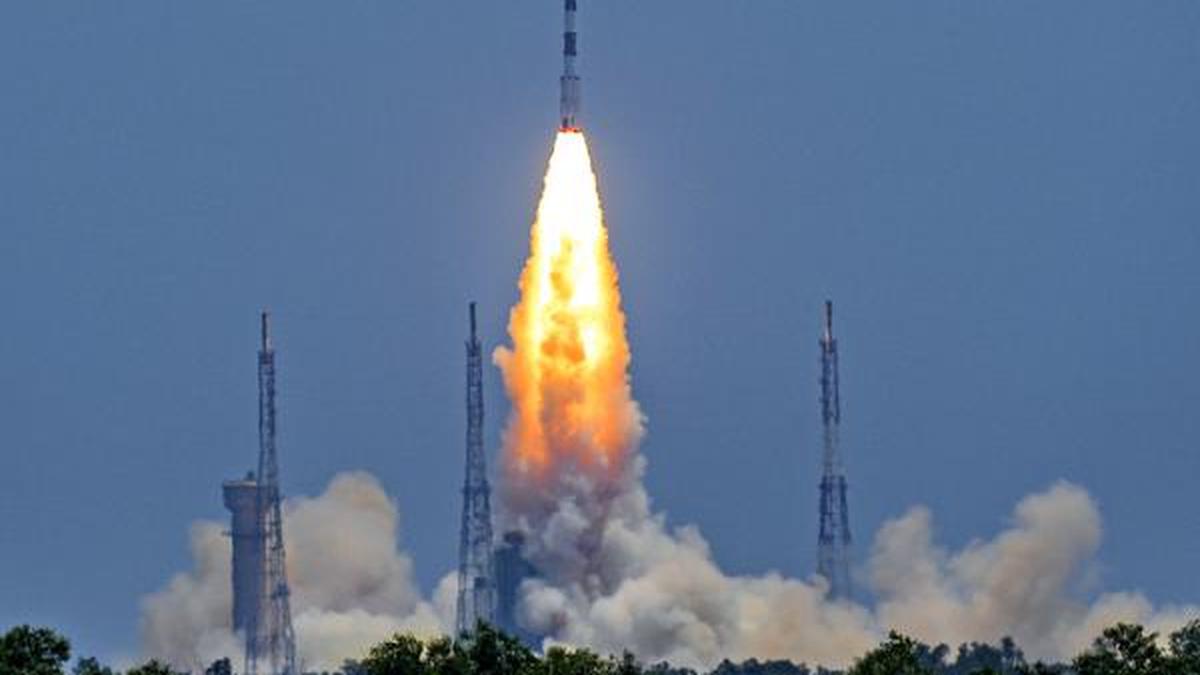
At 5.59 am on May 18, the Indian Space Research Organisation (ISRO) launched a PSLV rocket in its XL configuration. It was carrying a satellite called EOS-09, which it planned to deposit into a sun-synchronous polar orbit around the earth. The mission was designated C61. But a few minutes after liftoff, the rocket suffered a problem in its third stage and the PSLV-C61 mission ended in a failure.
The PSLV is a four-stage rocket. Each stage is defined by a set of engines that often fire together. Once they are done, the rocket jettisons that stage so that the remaining stages have less mass to lift.
PSLV’s first stage engine burns hydroxyl-terminated polybutadiene-bound (HTPB) propellant to generate a peak thrust of 4.8 MN. (In its XL configuration, six strap-on boosters augment the first stage.)
The second stage is powered by a Vikas engine, which uses unsymmetrical dimethylhydrazine as fuel and nitrogen tetroxide as oxidiser to develop a thrust of 0.8 MN. The third stage is back to using HTPB as fuel whereas the fourth burns a combination of monomethylhydrazine and mixed oxides of nitrogen in two engines.
After the failure of PSLV-C61 became clear, ISRO chairman V. Narayanan said the chamber pressure in the casing that contained the third-stage motor fell during the flight, leading to the unfortunate outcome. ISRO will assess the reasons for the loss of pressure in the coming days and subsequently reattempt the mission to launch (another copy of) EOS-09.


Residents of Anna Nagar face severe encroachments, traffic congestion, and pollution issues, demanding urgent action and regulation.

Karnataka State Human Rights Commission inspects Raichur's hostels, jail, and bus stand, addressing human rights and facility concerns.

Delhi's inaugural International Film Festival showcases over 125 films, promoting the capital as a global film hub.

U.S.-Israel war on Iran LIVE: Follow The Hindu for updates on the West Asia conflict on March 25, 2026

Police Commissioner A. Arun addresses public grievances, receiving 23 petitions and urging swift action from officials at the camp.

Thirumavalavan urges CM Stalin to ensure Kamal Haasan’s MNM contests the Assembly elections to strengthen the alliance.

Two killed and 23 injured in a sleeper bus accident in central Delhi; investigation ongoing.

Governor Shiv Pratap Shukla inaugurates the 74th All India Police Football Championship in Hyderabad, emphasizing sports' role in policing.

Visakhapatnam police recover ₹66 lakh in property from 54 arrested in February, solving 62 crime cases.

OPS claims EPS's lost credibility will undermine AIADMK's election manifesto, as DMK promises have proven reliable and effective.

Explore Modakkurichi's agrarian challenges, development gaps, and tourism potential as it gears up for the upcoming elections.

The Govindapura police have successfully traced an 84-year-old man suffering from dementia who had gone missing last month, following a sustained 25-day search operation across the city.

First randomisation of EVMs and VVPATs held in Dindigul, Theni districts