What is the next phase for rural women entrepreneurship? Premium
The Hindu
Explore the next phase of rural women's entrepreneurship, focusing on empowerment, financial innovation, and effective community organization strategies.
The Deendayal Antyodaya Yojana National Rural Livelihoods Mission (DAY NRLM), an understated program of the Ministry of Rural Development has unleashed a silent revolution in rural India. Around 10 crore households have been mobilised into 91 lakh Self-Help Groups (SHGs) which have been further federated into 5.35 lakh Village Organisations (VOs) and 33,558 Cluster-Level Federations (CLFs). These SHGs have mobilised credit of more than ₹11 lakh crore from banks with Non-Performing Assets (NPA) of around 1.7% only.
The number of Lakhpati didis (SHG members who earn more than ₹1 lakh per annum) has also crossed two crore.
Along with economic and social empowerment, this program has also led to the political empowerment of women. A majority of State governments, understanding their importance, are now focussing on unattached Direct Benefit Transfer (DBT) schemes such as the Ladli Laxmi Yojana in Madhya Pradesh, the Maiya Samman Yojana in Jharkhand, the Ladki Bahin Yojana in Maharashtra etc. In the latest such initiative, ₹10,000 each was transferred to more than one crore women in Bihar under the Mukhyamantri Mahila Rozgar Yojana.
These developments could boost livelihoods and entrepreneurship for women under the next phase of the DAY NRLM programme.
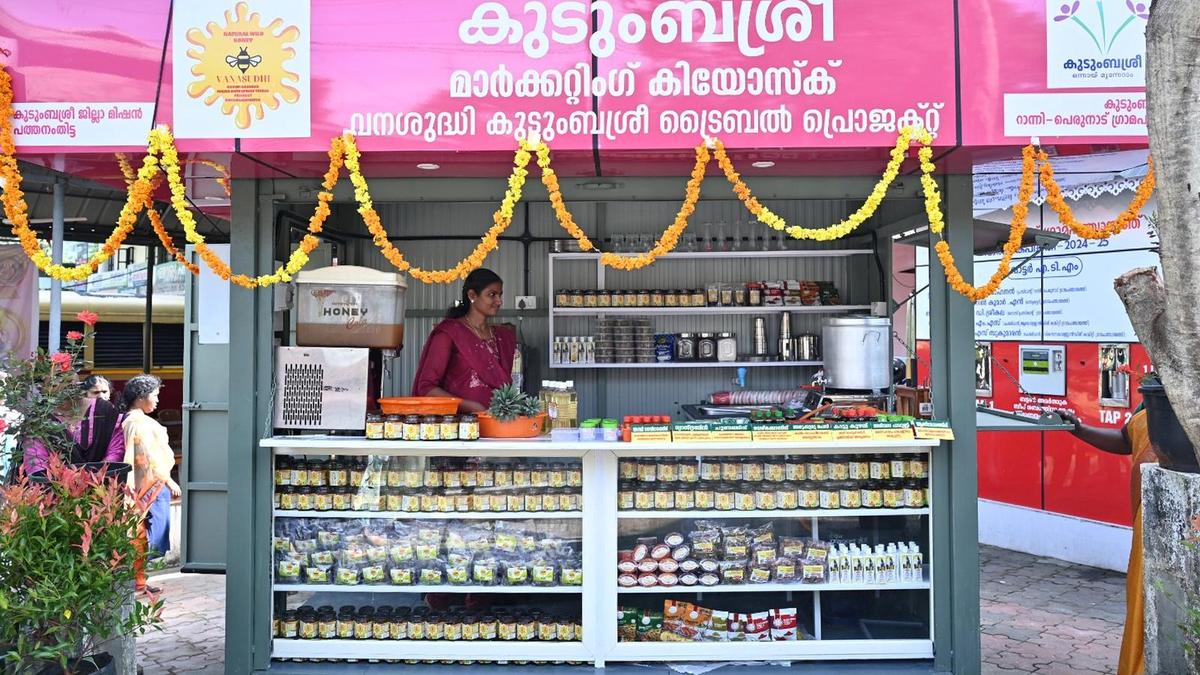
As per government directions, the DAY NRLM scheme is going to be appraised again for the next financial cycle, that is from 2026-27 to 2030-31. Therefore, this is an appropriate time to think about the strategy for the next five years of this critical program for women empowerment. One must begin with the lynchpin of the SHG ecosystem — the CLFs, which are sub-block level groups organised under the program. As it is a formally registered body, various activities of the program are anchored here. However, there have been concerns in various quarters that it has become subservient to government functionaries, and that leaders of these groups are not able to take independent decisions. Therefore, going forward, strengthening/revitalising the CLFs needs to be the main focus area, as per the original vision of the program. In fact, the CLFs need to become community owned institutes in the real sense, free from government interference. There are already successful models of CLFs, for example, the Kudumbashree in Kerala and Jeevika in Bihar, which could be emulated by other States.
The other cause of concern is the large amount of funds lying idle with the CLFs which are prone to misuse. Around ₹56.69 lakh crore have been given to community institutions as capitalisation support. Then there are other funds given to them by the Centre and the States along with the interest earned on them. These funds have to be accounted for by putting in place a robust institutional system of community monitoring through social audits along with statutory audits of CLFs.


Markets fall 2% as Israel attacks Iran’s South Pars gas field, pushing Brent crude above $112 and rupee below ₹93.

HDFC Bank shares drop over 4% following chairman’s ethical resignation, raising insider trading and management concerns.

Erran Berger, the Vice President of Product Engineering at LinkedIn, thinks the former type of division of labour is rapidly disappearing

India mandates oil and gas firms to share import and export data to mitigate consumer shortages amid rising global prices.

HDFC Bank's chairman Atanu Chakraborty resigns over ethical concerns; Keki Mistry appointed interim chairman for three months.

Stock markets continue to rise for the third day as Sensex and Nifty gain nearly 1%, fueled by IT stocks.

Indian-flagged vessels in the Strait of Hormuz carry 2 lakh MT LNG and 16.7 lakh MT crude, amidst geopolitical tensions.

Equity analysts downgrade earnings forecasts for oil marketing companies, citing rising costs and market pressures for fiscal 2027.

Plastic product prices may surge by 50-60% in April due to rising polymer costs amid ongoing geopolitical tensions.

Centre offers 10% more LPG to States that accelerate piped gas rollout amid ongoing supply challenges and increased consumer demand.

Indian-flagged vessels in the Strait of Hormuz carry 2 lakh MT LNG and 16.7 lakh MT crude, amidst geopolitical tensions.

Stock markets continue to rise for the third day as Sensex and Nifty gain nearly 1%, fueled by IT stocks.

Rising oil prices and LPG shortages are driving India's shift to electric cooking, offering cost-effective and energy-efficient alternatives.