'Verified human': Worldcoin users queue up for iris scans
CTV
People around the world are getting their eyeballs scanned in exchange for a digital ID and the promise of free cryptocurrency, shrugging off concerns among privacy campaigners and data regulators.
People around the world are getting their eyeballs scanned in exchange for a digital ID and the promise of free cryptocurrency, shrugging off concerns among privacy campaigners and data regulators.
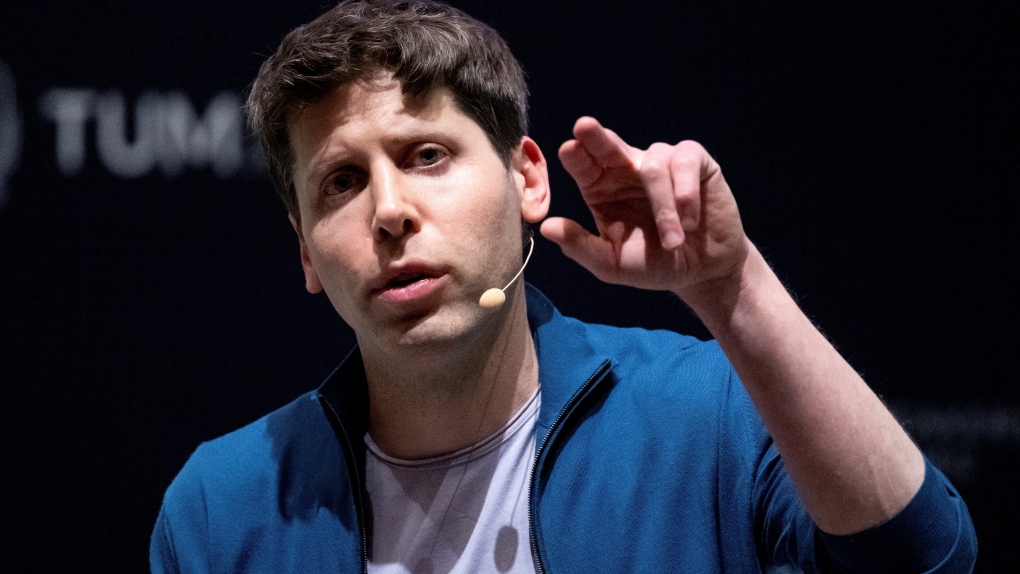
Founded by Sam Altman, the CEO of ChatGPT developer OpenAI, the Worldcoin project says it aims to create a new "identity and financial network" and that its digital ID will allow users to, among other things, prove online that they are human, not a bot.
The project launched on Monday, with eyeball scans taking place in countries including Britain, Japan and India.
At a crypto conference in Tokyo, people on Tuesday queued in front of a gleaming silver globe flanked by placards stating: "Orbs are here." Applicants lined up to have their irises scanned by the device, before waiting for the 25 free Worldcoin tokens the company says verified users can claim.
Users told Reuters they weighed concerns over data collection against their curiosity about the project, which says it has issued IDs for more than two million people in 120 countries, mostly during a trial period in the last two years.
"There's a risk with having the data of your own eyes collected by a company, but I like to follow the most up to date crypto projects," said Saeki Sasaki, 33.
"I was a bit scared, but I've done it now and can’t take it back."


This year’s hard winter weather likely left significant damage for many homeowners coming into spring. Building and renovation expert Ryan Thompson spoke to CTV’s Your Morning about some of the biggest areas to focus on around the exterior of your home, to help prevent serious damage after the cold, hard winter.

Iranians are managing to get online during the current war with the U.S. and Israel despite drastic censorship and frequent blackouts, throwing the spotlight on to providers of tools such as VPNs (virtual private networks).

March is Nutrition Month, and two Ottawa dietitians joined "CTV Your Morning Ottawa" to mark the occasion and share three sample performance plates for three different levels of activity.

Dozens of models with Down syndrome strutted down a catwalk at a fashion show in Romania’s capital for an evening celebrating style, “atypical beauty” and courage to mark World Down Syndrome Day.

Hawaii suffered its worst flooding in more than 20 years as heavy rains fell on soil already saturated by downpours from a winter storm a week ago, officials said Friday while warning that still more rain was expected during the weekend.

While Canada is well known for its accomplishments in space — including building the robotic arms used on the Space Shuttle and the International Space Station — the country still has no ability to launch its own satellites. This week, Ottawa committed nearly a quarter‑billion dollars towards changing that.

March is Liver Health Month, and while many people think about alcohol and diet when it comes to liver health, a growing risk factor is chronic hepatitis B.

It’s an enduring stereotype that Canadians are unfailingly nice, quick to apologize even when they have done nothing wrong. But an online urban legend claims the opposite of Canada’s soldiers, painting a picture of troops so brazen in their brutality that international laws were rewritten to rein them in.

Friday marks the first official day of spring in the northern hemisphere, but it will still feel like winter this weekend for many Canadians, as snow, sleet, rain and sub-zero temperatures are forecast across the country.

A social media post from the U.S. Food and Drug Administration this week shows a big-eyed macaque staring out from behind bars.

Young people in southeast England and beyond are lining up for the meningitis B vaccine after an outbreak killed two people, sparking supply warnings from pharmacies and raising broader questions about the best public health response to the disease.

Many wage earners are engaging in “microshifting,” a flexible scheduling approach that involves tackling job duties in short, productive bursts instead of a single nine-to-five stretch.

Tyson Atleo, a hereditary leader of the Ahousaht First Nation, says the creation of three new forestry areas to be managed by his community and two others on the west coast of Vancouver Island marks the realization of a long-standing promise.