UNESCO showcases Arab Latinos! Shared roots, shared horizons in Doha
The Peninsula
Building on the enduring cultural and historical connections between the Arab world and Latin America and the Caribbean, UNESCO organized the event A...
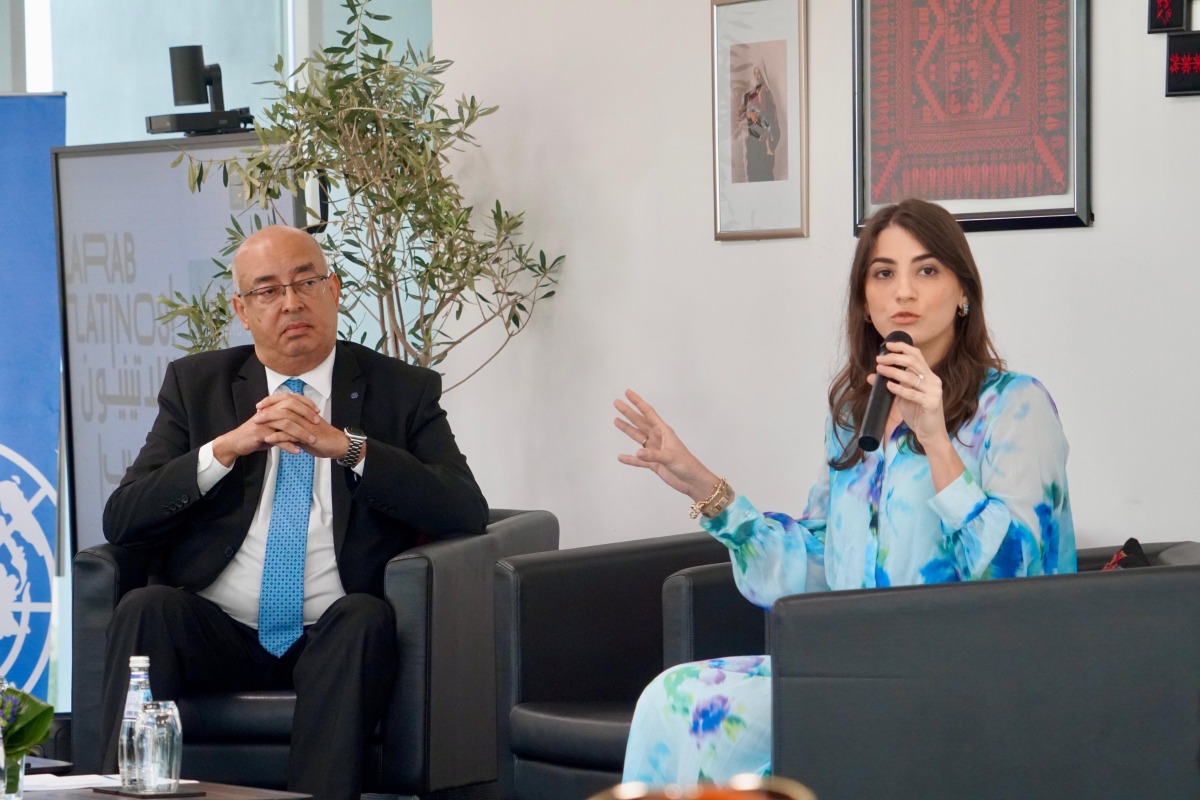
Building on the enduring cultural and historical connections between the Arab world and Latin America and the Caribbean, UNESCO organized the event “Arab Latinos! Shared Roots, Shared Horizons” at the United Nations House in Doha. The gathering highlighted the need to foster sustainable South–South solidarity and mutual support in the face of today’s global challenges, while also showcasing how literature, archives, and cinema can advance inclusive narratives, promote intercultural dialogue, and contribute to peacebuilding.
The event brought together representatives of more than 32 embassies alongside academics and cultural leaders, underscoring broad international support for the Arab Latinos! initiative and its role in strengthening cultural cooperation between regions.
''Arab Latinos! is not only a celebration of this legacy, but also a strategic platform for South-South cooperation, echoing the spirit of the United Nations Day for South-South Cooperation. Through education, culture, the sciences, and communication, this initiative seeks to foster inclusive dialogue, collaborative knowledge production, and solidarity across regions of the South. Through this event, we are proud to contribute to the Qatar–Argentina–Chile 2025 Year of Culture,’’ noted Mr Salah Khaled, UNESCO Representative to the Gulf States and Yemen and Director of UNESCO Office in Doha.
The first roundtable discussion on Al-Mahjar focused on the literary heritage of Arab migrants in Latin America and emphasized the importance of preserving the archives of Arab Latinos. Refqa Abu-Remaileh, Associate Professor in Residence at Northwestern University in Qatar, and Huism Tan, Executive Director of the Qatar National Library, stressed that the preservation, documentation, and accessibility of these sources require the coordinated engagement of governments, national institutions, academia, and civil society. This collaboration is essential for safeguarding cultural heritage, fostering knowledge production, and strengthening South-South solidarity.


Doha, Qatar: The State of Qatar expressed its sincere condolences and deep sympathy to the sisterly United Arab Emirates on the martyrdom of a civilia...

Doha, Qatar: The State of Qatar expressed its sincere condolences and deep sympathy to the sisterly United Arab Emirates on the martyrdom of a civilia...

Doha, Qatar: The Ministry of Defense of the United Arab Emirates has announced today, March 24, 2026, that one person was killed and five others were...

Doha, Qatar: QatarEnergy on Tuesday declared force majeure on some of its affected long term liquefied natural gas (LNG) contracts, according to a...

Manama: Amazon s cloud arm told AFP on Tuesday that its service in Bahrain had been disrupted, after drone attacks hit the region. An Amazon Web Se...

Geneva: The United Nations Human Rights Council will hold an urgent debate Wednesday on Iran s military attacks against Qatar, Bahrain, Kuwait, Oman,...

Manila: Philippine President Ferdinand Marcos declared a state of national energy emergency on Tuesday, citing risks to the domestic fuel supply and...

Berlin: The health of a humpback whale stranded on Germany s Baltic Sea coast is deteriorating, conservationists said Tuesday, as efforts to free the...

Paris, France: Migratory freshwater fish populations crucial to river health and sustaining the livelihoods of millions of people are in freefall and...

Doha, Qatar: The Ministry of Labour states that residents can easily transfer jobs from one employer to another using the Employer Change Service avai...

Doha, Qatar: The Ministry of Labour states that residents can easily transfer jobs from one employer to another using the Employer Change Service avai...

Doha, Qatar: Qatar Calendar has announced the postponement of a live performance by global pop icon and multi Grammy winner Shakira in Doha due to the...

Doha, Qatar: Qatar Calendar has announced the postponement of a live performance by global pop icon and multi Grammy winner Shakira in Doha due to the...