U.S. stocks fall on U.S. consumers' relentless spending
BNN Bloomberg
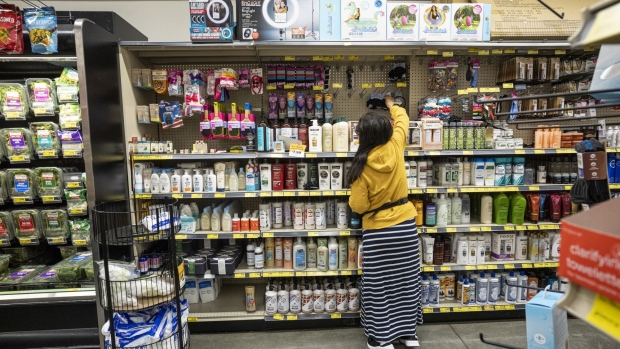
U.S. equity indexes opened lower after data showed that U.S. retail sales in January jumped by the most in almost two years.
The 3 per cent month-over-month gain suggested that strong consumer spending will keep prices elevated, which could increase pressure on the Federal Reserve to step up its efforts to tamp down inflation. And U.S. homebuilder sentiment increased in February by the most since mid-2020, as easing mortgage rates over the past several months have boosted the housing market.
“The biggest concern that we’re going to have when we go forward here is the uncomfortable question of maybe the Fed is not as sufficiently restrictive,” said Jim Bianco, founder of Bianco Research, said on Bloomberg TV. “The assumption behind all the recession calls at the beginning of the year was we’ve raised rates a lot, that’s got to hurt. But maybe it doesn’t. Maybe all we’ve done is gone to neutral and that’s what the market’s starting to sniff out.”
Investors were still mulling Tuesday’s U.S. consumer price index data and what it means for the U.S. economy.


Top Picks from Martin Cobb, Senior Vice-President, Equities, Lorne Steinberg Wealth Management

The chief executive of National Bank of Canada says he’s not changing the bank’s strategy because of the war in the Middle East, but he is urging a faster response from Canada to rising threats abroad.

With airstrikes still battering Iran and missiles still targeting sites across the Middle East, some of the optimism that sent stocks rallying the day before drained out of Wall Street on Tuesday. Oil prices got back to rising, and U.S. stocks are returning some of their gains.

A large explosion at an oil refinery near the Texas coast shot plumes of smoke into the air and forced nearby residents to shelter in place, officials said.

Oil prices rise and stocks fall as war with Iran still advances despite Trump’s talk of negotiations
U.S. markets ticked slightly lower and oil prices rose early Tuesday as the war in the Middle East continued a day after U.S. President Donald Trump said the United States had made progress in talks with the Islamic Republic to end the conflict.

U.S. markets ticked slightly lower and oil prices rose early Tuesday as the war in the Middle East continued a day after U.S. President Donald Trump said the United States had made progress in talks with the Islamic Republic to end the conflict.

Bank of Montreal said on Tuesday it plans to roll out tokenized cash capabilities in collaboration with CME Group and Google Cloud, as it seeks to meet rising demand for real‑time payments amid a global shift toward around‑the‑clock trading.

From rolled steel to kitchen cabinets, Canadian businesses hit by targeted U.S. tariffs are struggling to respond as the trade war drags into its second year.

Global benchmarks mostly rebounded Tuesday, in a mood of cautious relief after U.S. President Donald Trump said the United States has talked with Iran about a possible end to their war.

It’s that time of the year again, tax time, a time to file your annual return with the Canadian Revenue Agency.


Gold seen as overbought as Iran tensions ease, with falling oil prices lifting stocks and shifting investor sentiment toward risk assets.

Stock markets in Canada and the U.S. rallied after President Donald Trump said the United States has talked with Iran about a possible end to the war.