Two U.S. PE funds exit Shriram Properties after selling 14.27% stake
The Hindu
Two U.S.-based real estate private equity (PE) firms Walton Street Capital and Starwood Capital have exited Shriram Properties Ltd. (SPL) by selling 14.27% stake through a bulk deal on the NSE for ₹134 crore.
Two U.S.-based real estate private equity (PE) firms Walton Street Capital and Starwood Capital have exited Shriram Properties Ltd. (SPL) by selling 14.27% stake through a bulk deal on the NSE for ₹134 crore.
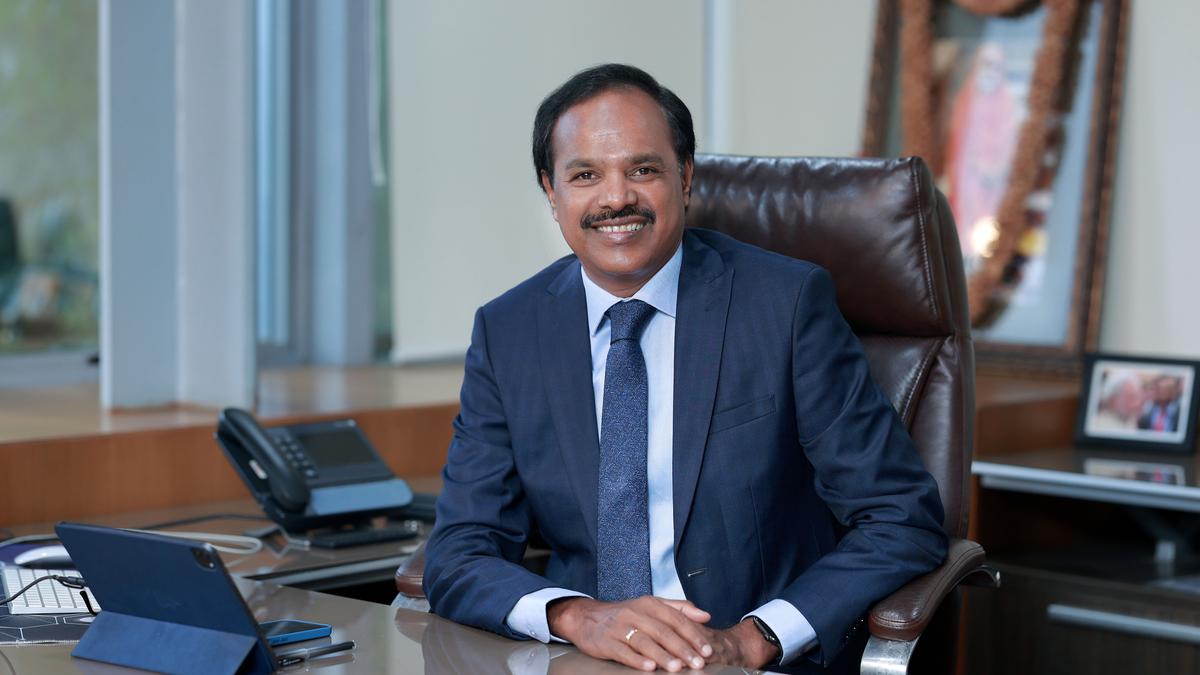
“We see the current deal as a very good outcome for long term value creation, and welcome our new investors, given the current market situation,” CMD M. Murali said during an interaction. “We are doing good business. SPL will consistently focus on its core business and stated objective of improving scale, profitability and returns.”
SPL sees the development as a welcome move, as it removes a significant part of liquidity overhang. Besides, SPL also believed that the stock was significantly undervalued, largely due to this PE stock overhang and the market will recognise this in coming days, it said in a statement.
The PEs have exited SPL after being on the board for a long duration. They sold 2.43 crore equity shares during the first trading session for about ₹55.05 per share. It was purchased by Mumbai-based Aurum Real Estate Developers Ltd. At the end of the day, SPL was quoted at ₹60.34 on the BSE, registering a gain of more than 9% over Thursday’s closing price.
“These two PEs have not invested in the Indian market for long as their priority was elsewhere and hence, it is not surprising they decided to exit,” said a market source.
Tata Capital and TPG Capital are the other PEs having invested in the SPL and they have been associated with the company for more than eight years. Currently, the promoters hold 72% of equity and balance is with the public.


Government mandates airlines to allocate 60% of seats free, enhancing passenger rights and convenience across Indian aviation.

Microsoft is weighing legal action against Amazon and OpenAI over a $50 billion deal, the Financial Times reported

Stock markets rally with Sensex and Nifty gaining, despite HDFC Bank and others lagging behind amid falling crude prices.

OpenAI has signed a new deal to sell access to its AI models to U.S. defence and government agencies through Amazon’s cloud unit for classified and unclassified work, the ChatGPT maker said

Samsung Electronics said on Wednesday that it expects to start volume production of Tesla’s chips

The Trump administration said in a Tuesday court filing that the Pentagon’s blacklisting of Anthropic was justified and lawful

Mastercard Move aims to simplify cross-border payments for SMEs and students in India, enhancing efficiency and reducing costs.

SBI raises ₹6,051 crore through 10-year bonds, attracting strong investor demand with a 7.05% coupon rate.

In February, as per government data, domestic LPG production was slightly more than 1 million tonne.

Union Government urges States and UTs to expedite approval of gas pipeline projects to promote piped natural gas usage.

Parliamentary panel criticizes Ministry of Planning and Niti Aayog for persistent underutilization and poor financial management practices.

LPG consumption in India dropped 17.7% in March due to war-related supply disruptions, impacting household cooking gas availability.

LPG eKYC is required only for unauthenticated customers, clarifies the Ministry of Petroleum and Natural Gas.