Trump's War With Iran Is Causing Gas Prices To Surge. Workers Are Already Feeling The Pain.
HuffPost
Gas prices have shot up 33% in four weeks, taking a bite out of workers’ budgets and stoking inflation fears.
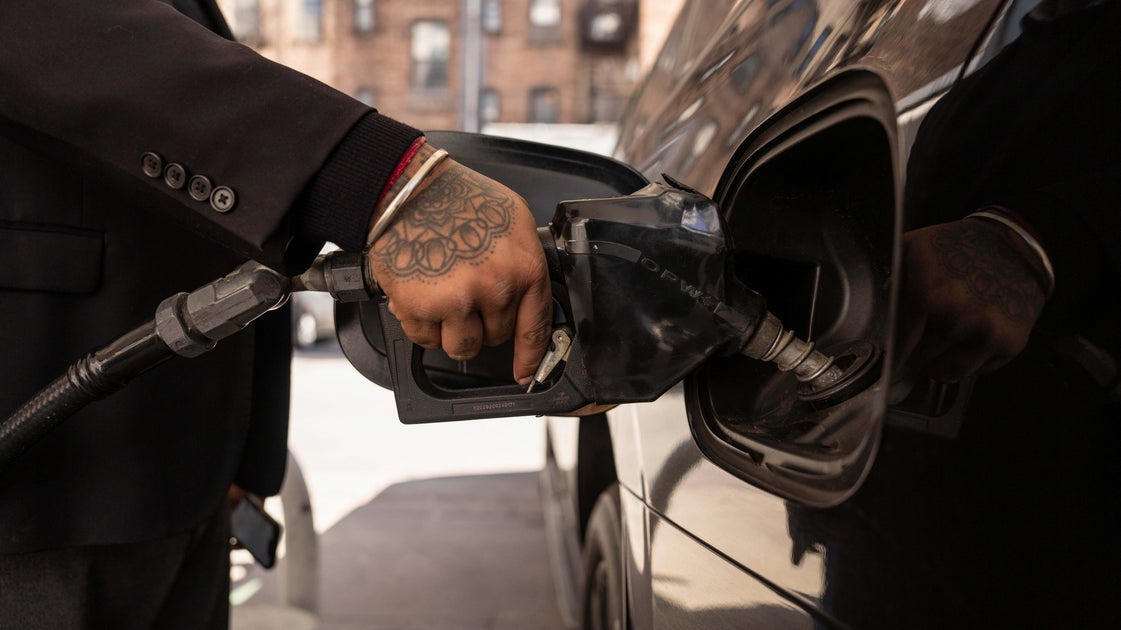
In less than a month, gas prices have climbed more than $1 per gallon in suburban Atlanta, where Joshua Elliott delivers meals every morning for DoorDash before clocking in at his full-time job. The higher fuel costs have added about $15 a week to his driving expenses, nearly equal to an hour’s take-home pay from food delivery.
“It’s not life-changing, but it’s probably about an extra hour or hour and a half of working,” said the 33-year-old, who’s trying to save up for an engagement ring for his girlfriend. “That’s time I was going to relax. Now I’ve got to go out and work instead. I feel the grind more.”
Gasoline prices have shot up about 30% nationally in the three weeks since the U.S. and Israel launched surprise attacks on Iran. The cost of crude oil, which largely determines what drivers pay at the pump, has soared above $100 per barrel as Iran throttles the vital shipping corridor known as the Strait of Hormuz. Israel’s attacks on Iranian oil and gas fields Wednesday increased the possibility of long-term disruptions to fuel production.
President Donald Trump hasn’t indicated when the war might end, or even what would constitute a U.S. victory. In the meantime, what Elliott has witnessed in Georgia — a jump from roughly $2.71 to $3.77 per gallon, according to AAA — is comparable to the average fuel cost increase for the country as a whole. It makes for the second-largest one-month gas price increase in three decades, behind only the supply shock created by Hurricane Katrina in 2005.
As with his unpopular tariffs, Trump is betting Americans are willing to pay more at the pump in service to his foreign policy agenda. But if his administration doesn’t find an off-ramp from the war to stabilize the oil market, the higher fuel costs will ripple into the broader economy in the form of higher consumer prices, weaker job growth and greater sacrifice on the part of working-class people.


The "Last Word" host exposed several new lies from the president before holding his bone spur-riddled feet to the fire over one chilling comment.

"I know for a fact that he was aware," the former security official told Anderson Cooper on CNN.

Markets seem to have taken the latest escalations in stride.

The late-night host took the president to task for mocking the California governor's dyslexia.

“My goodness gracious."

The veteran Democratic strategist also slammed Trump as an “idiot,” a “moron” and a “sack of s**t president."

And three other takeways from primary night.

Scrutiny of New Jersey's U.S. Attorney's office has grown since its leadership structure was ruled unlawful.

Gabbard's tweet resurfaced following the resignation of the director of the U.S. National Counterterrorism Center on Tuesday.

“Arizona will not be bullied into letting any company place itself above state law,” said Democratic Attorney General Kris Mayes.

The United Farm Workers said Tuesday that allegations of “abuse of young women or minors” were concerning enough to pause events commemorating Chavez.

Sen. Lisa Murkowski (R-Alaska) was blunt about the odds of the Senate passing Trump's key priority: "It's not going to pass."

The vice president had previously said that initiating a war in Iran would be “a huge distraction of resources” and “massively expensive to our country.”