Transparency, explainability, sensitivity key blocks required for building ethical AI: Big Blue
The Hindu
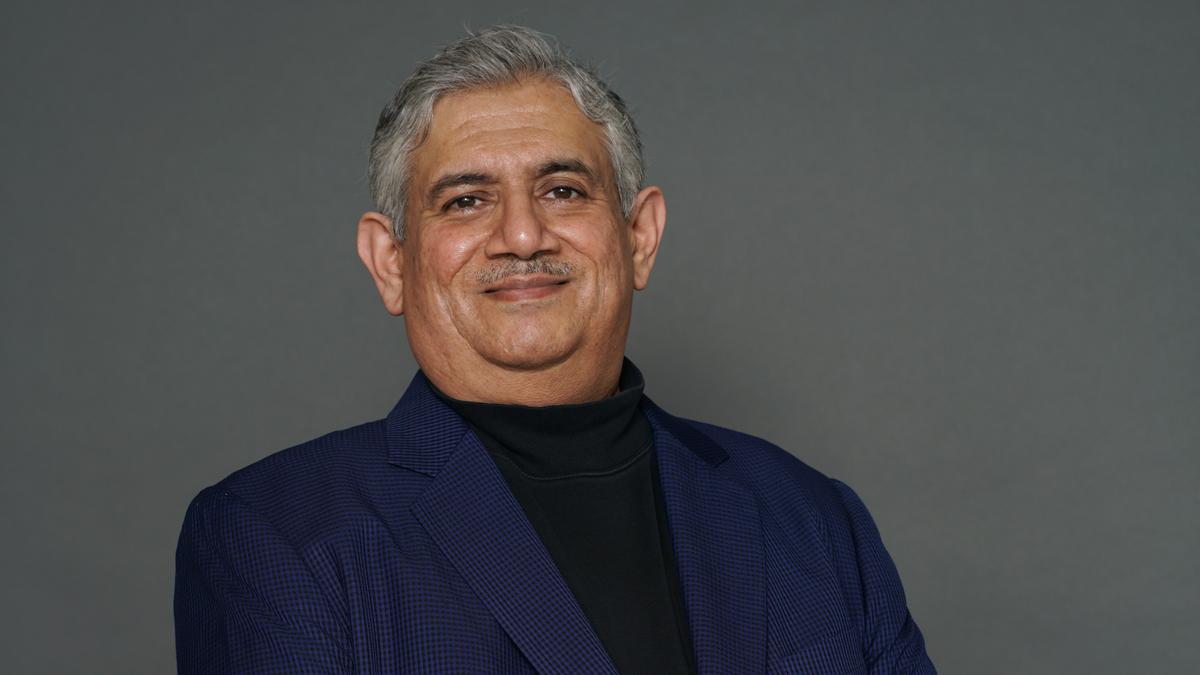
Building ethical AI (artificial intelligence) requires collaboration between governments, industry and ecosystem players, said IBM India and South Asia’s Managing Director Sandip Patel.
Building ethical AI (artificial intelligence) requires collaboration between governments, industry and ecosystem players, said IBM India and South Asia’s Managing Director Sandip Patel.
As artificial intelligence becomes more prominent with the technology getting increasingly embraced by everyone, all geographies, including India, should come out with dedicated policies to support AI for the greater good, Mr. Patel said responding to a query from The Hindu on the role of government in building ethical AI at recently held Think 2023, at Big Blue’s annual tech exposition. The even showcased Big Blue’s latest in AI, Generative AI, hybrid cloud, quantum computing and other technologies.
Collective and responsible effort was required to steer India into the AI era and also to make sure the benefits of ethical AI reach all equally, the IBM official further said.
“Transparency and explainability are the base of trust that is involved in building ethical AI systems. Ethical AI is all about having a level of transparency in the foundational models that are being used or data that is being used,” he elaborated.
People’s right to data privacy was extremely critical which meant sensitivity was key to the success of AI systems. Else, these could be dangerous to individuals, enterprises, governments and society as a whole, he cautioned.
“AI has to stand the test of time if it wants to revolutionise and democratise technology and bridge the digital divide in true sense,” he added.
According to Mr. Patel, ethical AI will power over a billion dreams and will be foundational in bridging the digital divide not just in India but across the globe.


Rising oil prices and LPG shortages are driving India's shift to electric cooking, offering cost-effective and energy-efficient alternatives.

The rupee fell to a record low of 92.63 against the dollar, while equities surged with Sensex up 633.29 points.

Alibaba is sharpening its artificial intelligence strategy by focusing on agents that connect the many businesses under its sprawling corporate umbrella.

India's semiconductor market is set to reach $300 billion by 2035, driven by local production and growing technology demands.

Iran continues to export millions of barrels of oil amid war, with 90 ships crossing the Strait of Hormuz despite sanctions.

Amazon CEO Andy Jassy said during an internal all-hands meeting he expects artificial intelligence could help cloud computing unit Amazon Web Services achieve $600 billion in annual sales, double his own prior estimate.

Government mandates airlines to allocate 60% of seats free, enhancing passenger rights and convenience across Indian aviation.

Microsoft is weighing legal action against Amazon and OpenAI over a $50 billion deal, the Financial Times reported

Stock markets rally with Sensex and Nifty gaining, despite HDFC Bank and others lagging behind amid falling crude prices.

OpenAI has signed a new deal to sell access to its AI models to U.S. defence and government agencies through Amazon’s cloud unit for classified and unclassified work, the ChatGPT maker said

Samsung Electronics said on Wednesday that it expects to start volume production of Tesla’s chips

The Trump administration said in a Tuesday court filing that the Pentagon’s blacklisting of Anthropic was justified and lawful

Mastercard Move aims to simplify cross-border payments for SMEs and students in India, enhancing efficiency and reducing costs.