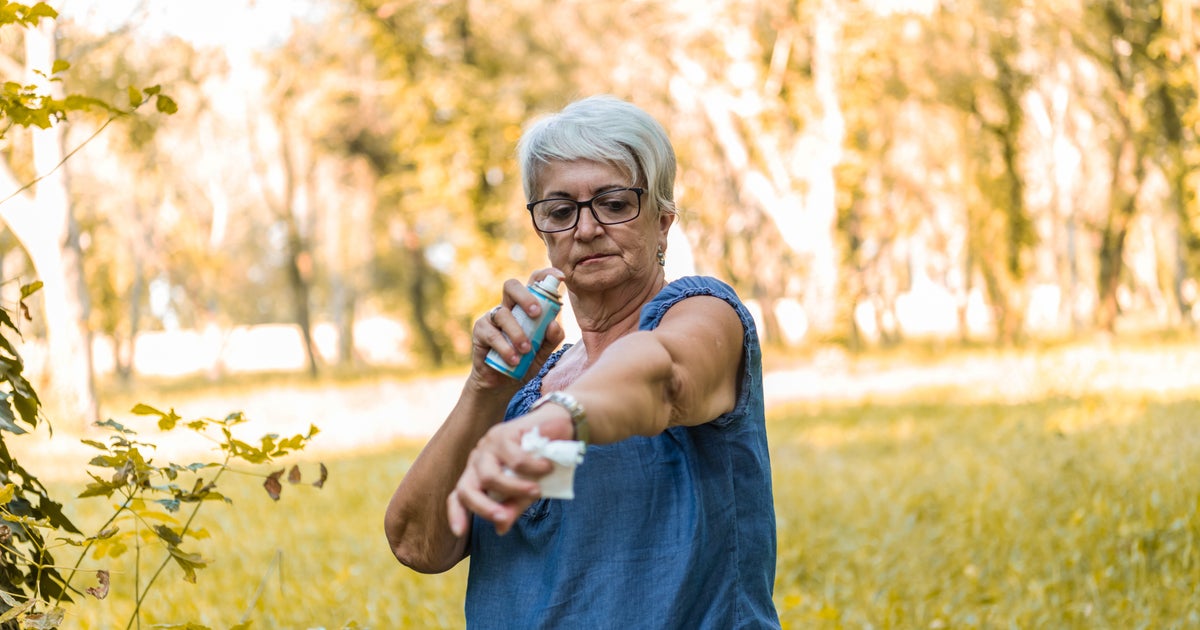
Tick Experts Reveal The 6 Things They'd Never, Ever Do Outdoors
HuffPost
Climate change is making tick-borne illnesses more common, which makes tick prevention strategies even more critical.
No one wants to worry about summer illnesses, but there are certain diseases that spread in the warm weather because of tick bites.
“Ticks themselves are not particularly dangerous to humans, it’s just, unfortunately, the diseases that they can carry can be transmitted to humans [and] end up causing them harm,” said Dr. Christopher Bazzoli, an emergency medicine physician at Cleveland Clinic in Ohio.
Lyme disease is the tick-borne illness that gets the most attention. “Right around 90,000 cases of Lyme [disease] are reported to the CDC every year here in the United States, but probably more like [300,000] to 400,000 people contract the Lyme infection annually here in the United States,” Bazzoli noted. That means most infections are not reported to the CDC.
Other, less common diseases that ticks also transmit, Bazzoli said, include Rocky Mountain spotted fever, babesiosis and ehrlichiosis.
Ticks don’t bite you and fly off like a mosquito. Instead, it takes hours and hours for them to cement themselves onto your skin and feed, said Dr. Eugene Shapiro, a professor of pediatrics at Yale School of Medicine in Connecticut. An infected tick (and not all ticks are infected) has to be on for 24 to 36 hours to transmit an infection, Shapiro noted.


You'll need a portable phone charger, compact backpack and some first aid before you pack up and go on a trip outside the country.

With TSA officers working without pay and spring break travel ramping up, experts offer tips to reduce stress and avoid missing flights.

This stowaway truly was sly as a fox.

Talking to friends about your feelings and frustrations can be healthy — but experts warn you should look out for a few damaging traps.

There's good news and there's bad news. This will help you make some sense of it.

If you have carpets or rugs, sorry: They're even dirtier than you think.

A recent study found the most commonly reported symptoms of perimenopause had nothing to do with hot flashes or weight gain.

Alleviate post-workout soreness with these expert-recommended tools.

Experts, including the U.S. Labor Department, have been warning about this moment since Trump took office.

This time of year is prime season for these fast-spreading illnesses.

Chinese medicine might have the answer to this common bedroom discomfort.

"I dismissed my fear as paranoia. But, deep down, I still felt that something was wrong."

Labor diggers, women are onto you.