The impact of the Iran war on Dubai tourism amid travel uncertainty
CNA
Reports suggested more than 80,000 bookings in Dubai were cancelled alone in the first week of the conflict, as visitors either scrambled to get home or simply decided to postpone their trips.
DUBAI: Dubai’s tourism machine, which just months ago was breaking records, is now rotating at a slower pace; with limited flights to and from the country as airspace remains volatile across the region. Hotels and restaurants are notably quieter, but officials in the Pearl of the Gulf insist it is still very much open for business.
For years, Dubai has sold the dream of being the Middle East’s ultimate safe haven – with all-year-round sun and a five-star experience at every turn. Last year, the emirate welcomed 19.59 million international visitors, its third consecutive record‑breaking year, with average hotel occupancy above 80 per cent and tourism accounting for more than a tenth of GDP, according to official data.
However, the eruption of conflict on Feb 28, when Iran launched a wave of missiles at its Gulf neighbours after US and Israeli forces carried out strikes on Tehran, saw siren mobile phone alerts, warning residents and tourists across the region to “take shelter”.
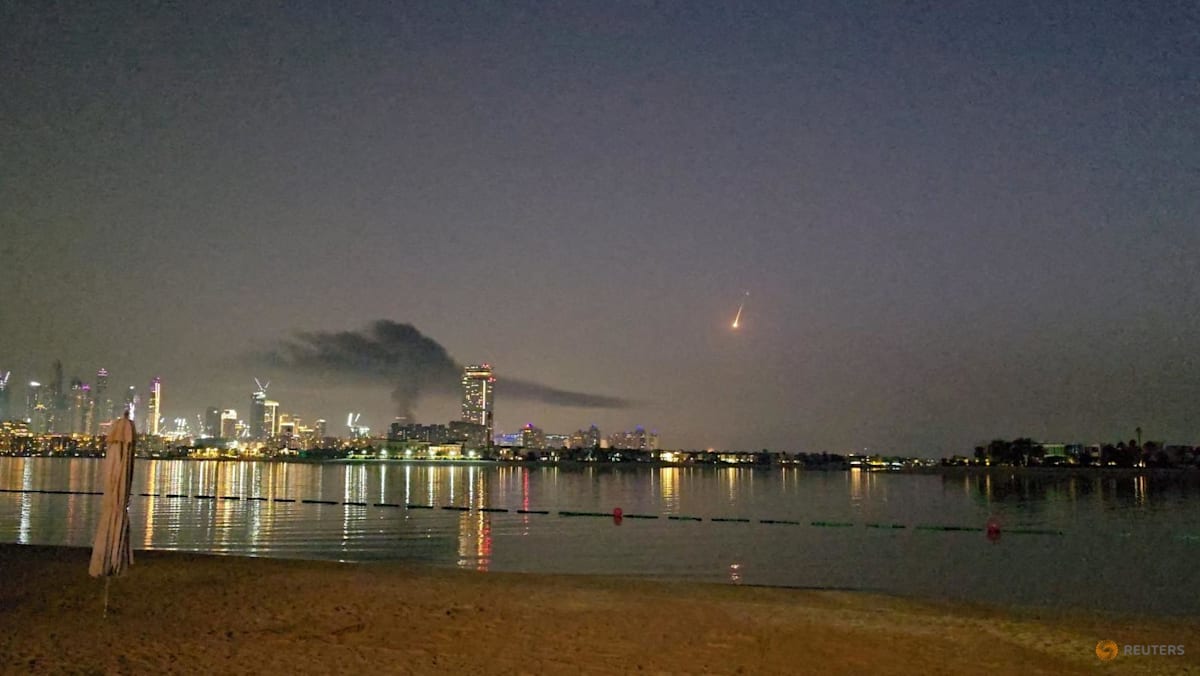
On the first night of this conflict, a drone hit Dubai’s Palm Jumeirah, close to The Fairmont’s luxury resort, authorities confirmed. A couple of miles further down the iconic skyline stands the Burj Al Arab hotel which is designed like a yacht at full sail. The 7-star hotel was also hit by falling debris early on in the unprovoked attack on the UAE, which saw a small fire quickly contained by Dubai’s civil defences.
Dubai International Airport recorded its busiest year ever in 2025 with 95.2 million passengers, overtaking every other airport in the world for international traffic and averaging around 260,000 travellers a day.


When it comes to social media bans, governments are willing to absorb criticism on feasibility, privacy and civil liberties, experts tell CNA.

BANGKOK: Twenty Thai crew members of a cargo ship that was attacked in the crucial Strait of Hormuz arrived in Thailand on Monday (Mar 16), with three of their colleagues still stranded on the vessel in the Gulf.The Thai-registered Mayuree Naree was

In Berlin, German Chancellor Friedrich Merz's spokesman said the Iran war has "nothing to do with NATO".

Donald Trump has suggested Washington may delay the planned summit with Chinese leader Xi Jinping if Beijing does not help with reopening the Strait of Hormuz.

Trump also said that he may delay his trip to China, saying he would prefer to know Beijing’s position on the issue before the planned visit.

Tehran sent a stern message to its neighbours that it had "ample evidence" that US bases on their territory were being used to launch attacks.

This installment of CNA’s series on the forces powering electric vehicles (EVs) in Asia examines China’s dominance in lithium refining and its impact on the global supply chain.

Sharif Osman Hadi's death set off violent protests in Bangladesh, with angry mobs torching several buildings including two major newspapers deemed to favour India, as well as a prominent cultural institution.

Analysts said that with little time to prepare and Washington's attention focused on the US-Israeli war with Iran, prospects for a major trade breakthrough are limited.

Taiwan's defence ministry said on Sunday that it had detected 26 Chinese military aircraft, concentrated in the Taiwan Strait, over the previous 24 hours.

South Korea’s military said that it detected about 10 ballistic missiles fired from North Korea’s capital region toward the eastern sea.

Trump said the US strikes had "totally demolished" most of Kharg Island and warned that more could follow, adding: "We may hit it a few more times just for fun."

In this first part of a series on electric vehicles in Asia, CNA examines how one of Southeast Asia’s largest untapped copper deposits in Mindanao could boost the Philippines’ role in the global EV supply chain.