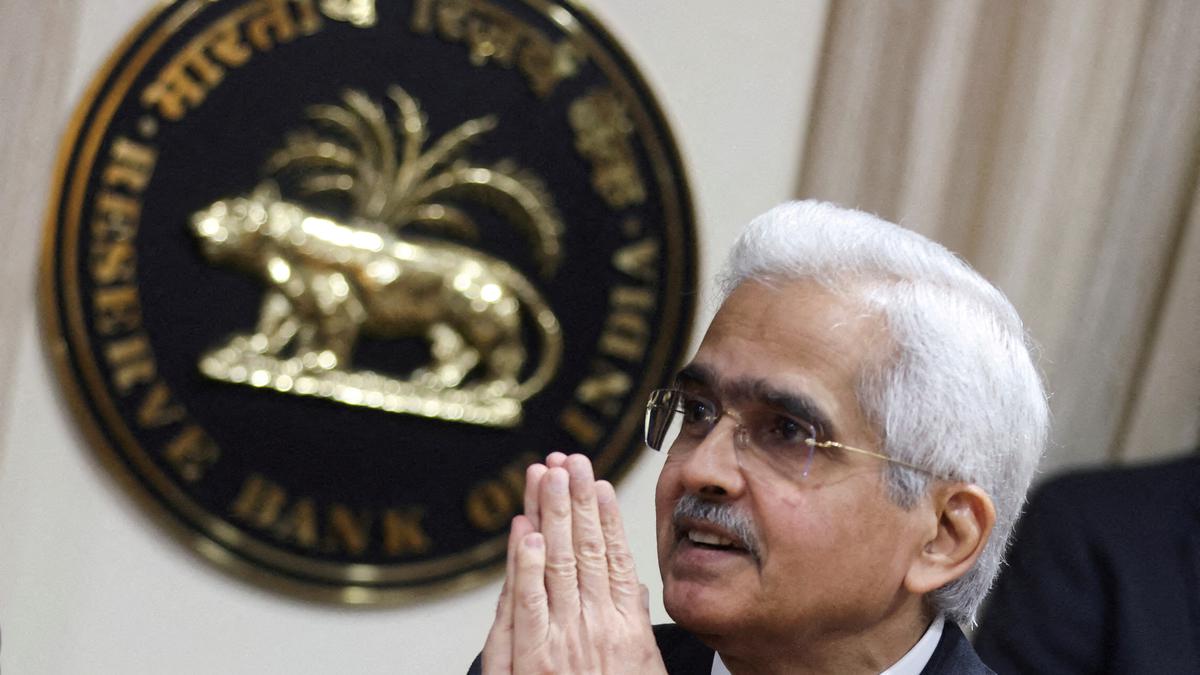
Tech with behavioural analysis can prevent financial frauds, says Das
The Hindu
Technology, combined with behavioural analysis, can go a long way in analysing anomalies in consumer behaviour and help in understanding and preventing frauds, Reserve Bank of India Governor Shaktikanta Das said while speaking at the Annual conference of RBI Ombudsman in Mumbai.
Technology, combined with behavioural analysis, can go a long way in analysing anomalies in consumer behaviour and help in understanding and preventing frauds, Reserve Bank of India Governor Shaktikanta Das said while speaking at the Annual conference of RBI Ombudsman in Mumbai.
Suspicious consumer behaviour that could be monitored include transactions during odd hours, transactions against usual patterns and unauthorised beneficiary additions.
He said however that on the flip side, the utilisation of such technologies without appropriate safeguards may lead to compromise of customer data.
“The possible issues that may arise include invasion of privacy or subtle manipulations based on consumer profiling to nudge [the customer] into certain services that may not be the right fit,” he said.
“Appropriate safeguards need to be put in place in this regard,” he added.
Mr. Das said Artificial Intelligence (AI) capabilities are being utilised to complement customer service through personalised interaction, chatbots and virtual assistants tailored to specific products.
Its deployment in prevention of frauds, identity verification, vulnerability mitigation and data protection were, however, at nascent stages, he added.


L&T confirms 95% of its West Asia project sites are safe, while addressing logistics challenges amid ongoing regional conflicts.

Mines Ministry to auction 19 critical mineral blocks on March 23, expanding strategic resources for clean energy and technology sectors.

Mines Ministry to auction 19 critical mineral blocks on March 23, expanding strategic resources for clean energy and technology sectors.

Five top firms lose ₹1 lakh crore in market value, with HDFC Bank experiencing the largest decline of ₹56,124.48 crore.

HDFC Bank terminates three senior officials over client onboarding issues at its DIFC branch amid ethical concerns following chairman's resignation.

Air India CEO warns of potential flight cuts and reduced travel demand due to rising fuel costs amid ongoing Gulf conflict.

Options are widely used by retail traders to speculate on the value of the stock for immediate gains and such behaviour in large scale can distort the market

India achieves 1 billion tonne coal production for the second consecutive year, ensuring stable energy supply and economic growth.

Generic drugmakers in India launch affordable Semaglutide versions, targeting a $1 billion diabetes and weight loss market.

Indian and Asian refiners eye Iranian oil purchases as U.S. waives sanctions amid energy crisis linked to the Iran-Israel war.

Iran war impacts pesticide prices, warning of a 20-25% rise and increased risk of counterfeit products during the kharif season.

India's forex reserves fell by $7 billion to $709.76 billion, according to RBI data for the week ending March 13.

Natco Pharma will launch its Semaglutide injection (multi dose vials) in the domestic market on Saturday.