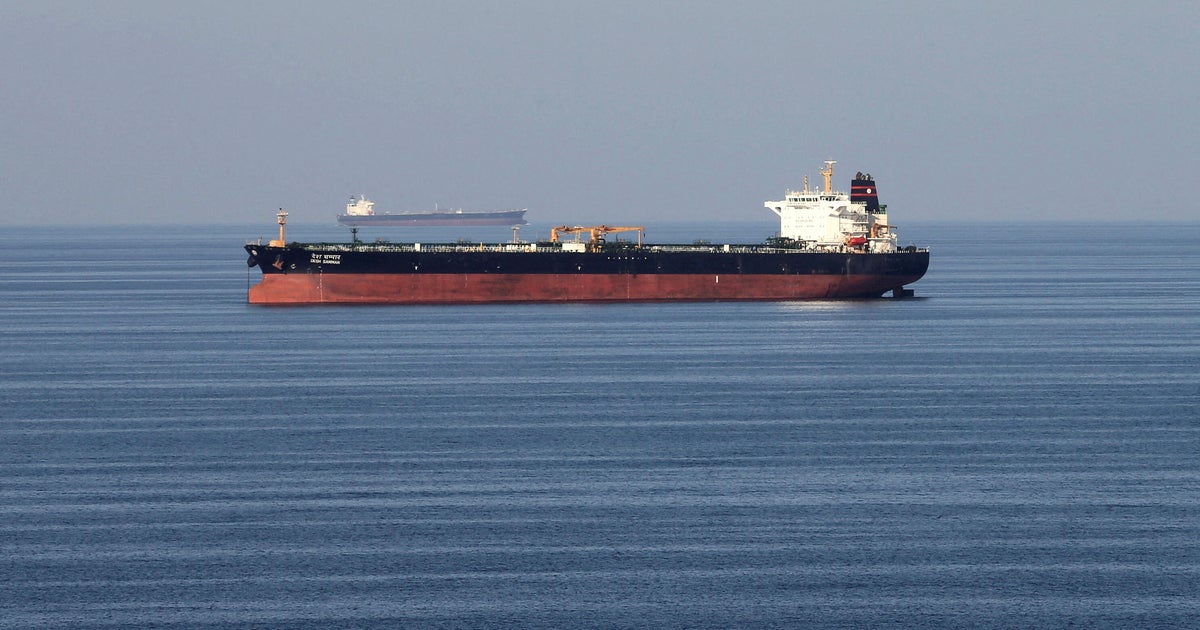
Strait of Hormuz could be vulnerable to Iran retaliation. Here's what to know about the vital oil trade route.
CBSN
The United States launched military strikes on three Iranian nuclear facilities Sunday morning local time, an action President Trump said aimed to neutralize a threat "posed by the world's number one state sponsor of terror." It was widely seen as a turning point in America's involvement in the ongoing Middle East conflicts as the first direct intervention by U.S. forces in the war between Israel and Iran.
The strikes have ignited concerns about possible Iranian retaliation and what form such responses could take. Among them are fears Iran could block oil exports through the Strait of Hormuz, a major commercial trade passage that the country partly controls.


A Jewish school in Amsterdam was damaged after an overnight explosion against its exterior wall, Mayor Femke Halsema said in a statement Saturday, denouncing the blast as a "cowardly act of aggression." In:

A growing number of social media users, including foreigners, are facing charges in the United Arab Emirates under the Gulf state's broad cybercrime laws for sharing or possessing digital content that depicts or comments on the impact of ongoing Iranian attacks, the advocacy group Detained in Dubai has warned. In:

CBS News asked its reporters and editors to gauge the local mood in foreign capital cities as the U.S.-Israeli war with Iran, now nearing the two-week mark, leaves energy and stock markets in turmoil. In:

A court in Moscow on Thursday convicted 19 people of involvement in the 2024 shooting rampage in a Moscow concert hall that killed 149 people and wounded over 600 in one of the deadliest attacks in the capital in years. Agence France-Presse contributed to this report. In:

Three brothers have been arrested in connection with the explosion at the U.S. Embassy in Oslo, Norway, authorities said Wednesday. In:


Gold Coast, Australia — The Iranian women's soccer team left Australia minus seven of its members who were granted asylum, after tearful protests of their departure at Sydney Airport and frantic final efforts inside the terminal by Australian officials who sought to ensure the women understood they were being offered asylum. In:

A bus fire in Switzerland killed at least six people and left three others hospitalized with severe injuries, police said Tuesday. They said they were investigating whether the blaze was set by someone on the bus. In:

The White House is aware that Gulf countries have said they're running short on missile interceptors, and that they've said they're having to choose which objects to blow up — and which not to — multiple sources told CBS News. The White House has discussed the matter, the sources said. Margaret Brennan contributed to this report. In:

French President Emmanuel Macron visited the eastern Mediterranean island of Cyprus on Monday to discuss regional security after a British military base there was targeted in an Iranian drone attack. In:

The U.S. and Israel's war with Iran is into its second week with both sides continuing to carry out devastating strikes in the Middle East. In:

In a phone interview with CBS News Monday afternoon, President Trump said the U.S. war with Iran could almost be over. In:

Twenty-three players were shown a red card as a lengthy brawl requiring the intervention of military police marred the final seconds of a Brazilian soccer match between Cruzeiro and Atletico Mineiro. In: