South Africa: 30 years after apartheid, what has changed?
Al Jazeera
Big socio-political gains have followed apartheid but the legacy of racism and segregation is still starkly visible.
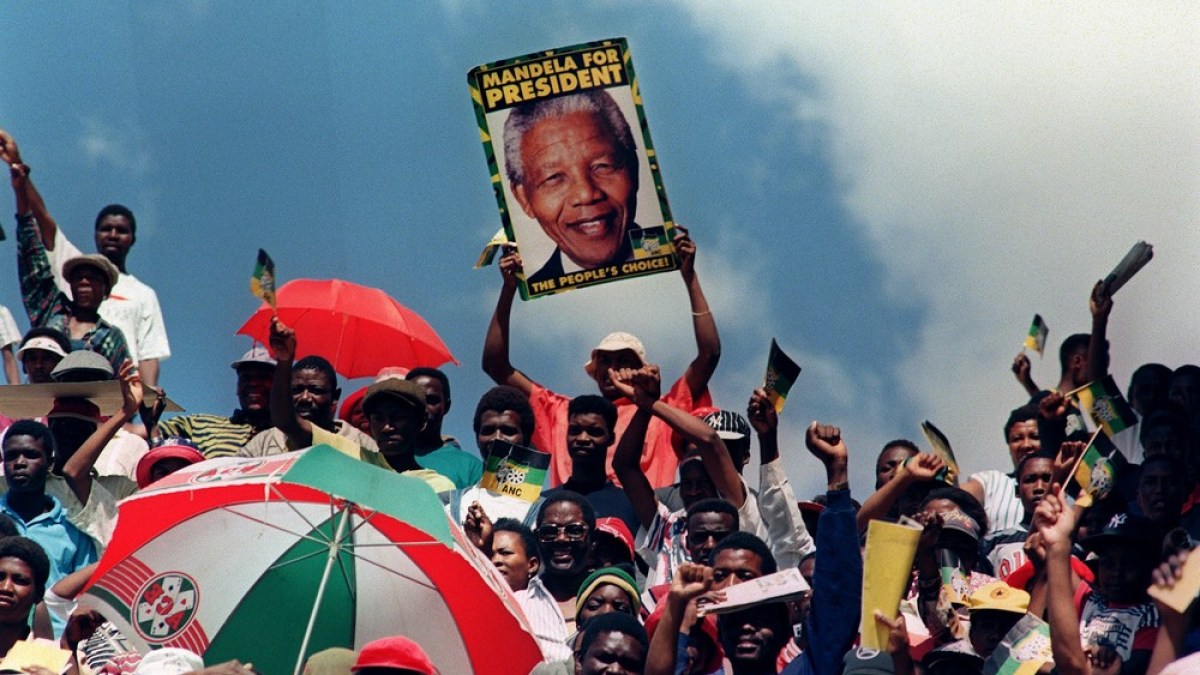
Three decades ago, on April 27, 1994, after centuries of white rule, Black South Africans voted in general elections for the first time. This marked the official end of apartheid rule, cemented days later when Nelson Mandela was sworn in as the country’s first Black president.
Since the arrival of Dutch settlers in the 1600s and British colonists in the 1700s and 1800s, South Africa had been a project that subjected Black people to systematically segregationist laws and practices.
But it was the adoption of apartheid in 1948 that codified and formalised these racist practices into law. It strictly separated people into separate classes based on their skin colour, putting the white minority in the highest class, with all others, including Black, Indigenous, multi-race people, and descendants of indentured Indian workers, below them.
South Africa’s road to freedom was long and bloody – laden with the bodies of thousands of Black activists and students who dared to protest, both loudly and quietly.
The wounds of those times are still painful and visible. Black South Africans make up 81 percent of the 60 million population. But, burdened with the trauma and lingering inequalities of the past, Black communities continue to be disproportionately afflicted with poverty.


Iran are scheduled to play their three FIFA World Cup 2026 group games in the United States, but Mexico is an alternative.

US President Donald Trump is expected to discuss the Strait of Hormuz with Japanese Prime Minister Sanae Takaichi; South Korea may face a similar predicament.

Border closures and rising prices make Eid baking difficult in Gaza, but families persist to keep traditions alive.

Before next year’s presidential race, local elections which conclude Sunday indicate fractured political landscape.

Questions raised over US knowledge of Israeli plans to strike key Iranian gasfield as Gulf region’s energy infrastructure becomes target for attack.

Heavy social media use has contributed to ‘worrying decline’ in wellbeing in Western countries, World Happiness Report says.

Doncic recorded his 11th 40-point game of the season as the Lakers beat the Rockets for the second time in three days.

Those executed were allegedly involved in the killing of two law enforcement personnel.

US spy agencies says Chinese leadership still prefers to pursue unification with Taiwan ‘without use of force’.


Stocks tumble as attacks by Israel, Iran on critical energy infrastructure exacerbate fears for global energy supplies.


Lionel Messi joins Cristiano Ronaldo in the 900-goal club as Nashville eliminates Miami from CONCACAF Champions Cup.