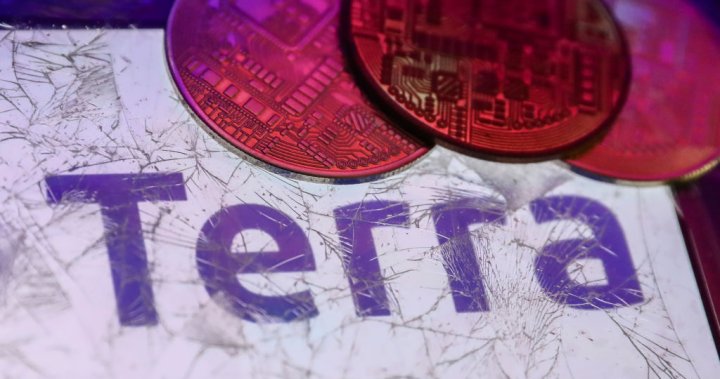
Shouldn’t stablecoins be stable? What’s behind TerraUSD’s collapse
Global News
The collapse of a particular stablecoin has the cryptocurrency market concerned. Here's what happened to TerraUSD and what it means for the financial world.
As popular assets in the cryptocurrency space such as Bitcoin see their values rapidly eroding, the decline of a particular stablecoin is drawing the attention of observers as a possible red flag for the market.
TerraUSD, also called UST, is a stablecoin that’s seen its value drop as low as US$0.30 this week.
That’s fundamentally at odds with the pitch of UST and other stablecoins, which are supposed to maintain a steady value, usually equivalent to the U.S. dollar.
So what’s gone wrong with this stablecoin, and what will it mean for the crypto market? Here’s what you need to know.
Stablecoins are a particular kind of cryptocurrency that are pegged to the value of an existing asset, often the U.S. dollar.
While popular digital currencies such as Bitcoin and Ethereum are known for occasionally volatile swings in value, the steady promise of a stablecoin is meant to offset these fluctuations. It can make the cryptocurrencies attractive as hedges against Bitcoin or as an alternative store for funds if someone doesn’t want to keep their money in cash.
Alex Tapscott, managing director of the Digital Asset Group at Nine Point Partners, says stablecoins have emerged as one of crypto’s “killer apps.”
Because cryptocurrencies such as Bitcoin have unsteady values, stablecoins — Tether and USDC are a couple of popular options — are often used as a middle step for exchanges between digital assets.


The price for a barrel of benchmark U.S. crude shot up 8.5 per cent Thursday to settle at US$81.01 per barrel, the highest level since the summer of 2024.

Under the terms of the voluntary pledge, companies intend to build or buy new sources of power generation for their data centers and cover the expense of infrastructure upgrades.

Oil prices leaped, and stock markets slumped worldwide following military strikes by the United States and Israel on Iran, including Wall Street and the TSX.

'The core thesis is simple. Intelligence tools have changed what it means to build and run a company,' CEO Jack Dorsey said in a letter to shareholders of the financial tech firm.