Ramzan 2026: these books on Muslim food are a balm for the body and soul
The Hindu
Explore the rich tapestry of Ramzan food writing, highlighting recipes shaped by memory, ethics, and cultural significance across the Islamic world.
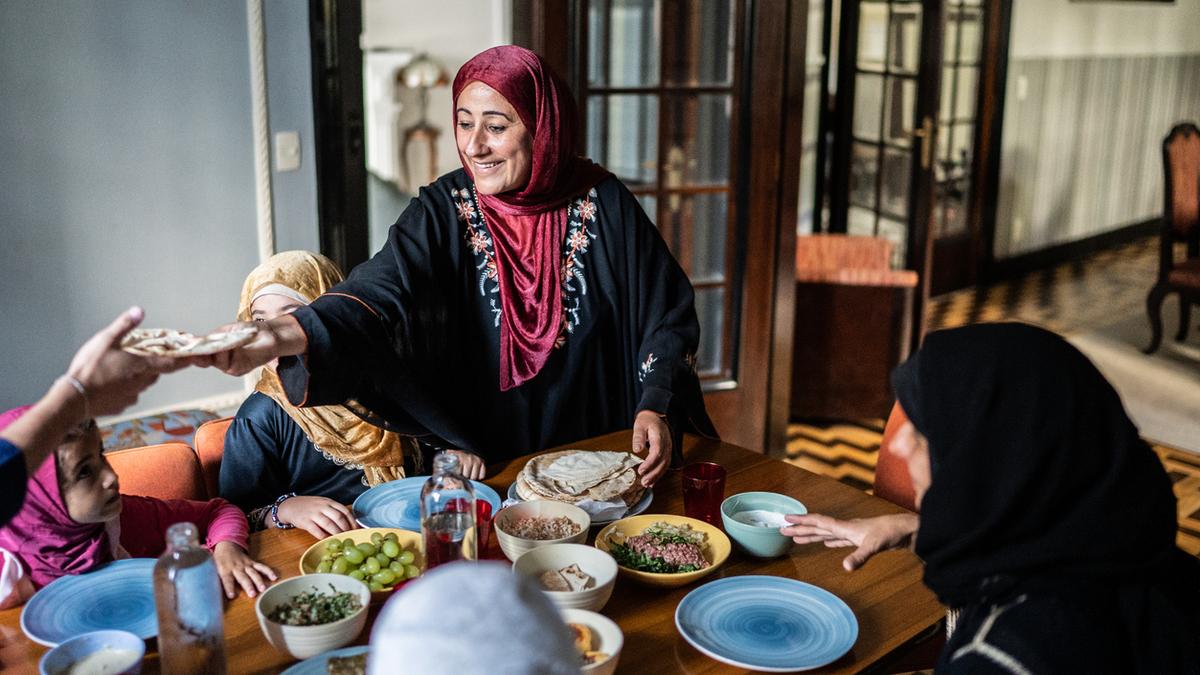
Ramzan announces itself quietly. Not only through fasting or prayer, but through kitchens, both domestic and devotional, where waste is avoided and food is prepared with a heightened sense of purpose.
Across the Islamic world, from Istanbul to Sylhet, Fez to London, Kashmir to Kayalpattinam, Ramzan cooking has always held a careful balance: fasting and feasting, restraint and generosity. Some of the most thoughtful writing on Muslim food reflects this inwardness, offering recipes shaped by memory, ethics, and care.
One of the most moving explorations of this philosophy is Turkish food scholar Nevin Halici’s Sufi Cuisine. Rooted in Konya, the city of Rumi and the Mevlevi order, the book treats cooking as a spiritual act. “For the Sufis, food was sacred, cooking was a form of prayer, and eating was a blessed activity,” Halici explains. The kitchen, she says, held the soul of the Sufi lodge. Initiation into spiritual life often began not with scripture, but by learning to cook and serve others.
Turkish food scholar Nevin Halici | Photo Credit: Wiki Commons
The book is suffused with poetry and restraint highlighting grain stews, yoghurt soups, and the ritual dish ashura, cooked communally during periods of mourning. “Nutrition is important in Sufi cuisine because worship is possible only in wellness,” Halici notes, adding that moderation and sharing are as central as flavour. It is a way of thinking about food that resonates deeply during Ramzan, when restraint itself becomes a form of mindfulness.
Moderation and sharing are as central as flavour during the holy month of Ramzan. | Photo Credit: Getty Images


PM Modi and President Murmu extend Eid-ul-Fitr greetings, promoting unity, harmony, and compassion for a progressive nation.

Security forces in Manipur seized 29 firearms and 50 IEDs during operations amid ongoing ethnic violence.

A data jam on March 28 by OpenCity will have participants studying how the Assembly constituencies in and around Chennai are faring on a set of parameters

Matheesha Pathirana will miss the start of IPL 2026, while Harshit Rana's participation remains uncertain for KKR.

Shashi Tharoor advocates for peace in the West Asia conflict, emphasizing the urgent need for de-escalation and international cooperation.

Assembly polls 2026: Follow updates from The Hindu on the upcoming elections in five States, on March 21, 2026

Maharashtra women's panel chief resigns amid controversy over ties to rape-accused godman, facing political pressure and public backlash.

India's Iran policy could be shaped by the evolving dynamics of the U.S.–Israel war

Will G. Sudhakaran's independent run disrupt the Left's stronghold in Ambalappuzha and reshape Kerala's political landscape?

The Hindu Morning Digest gives a select list of stories to start the day. Read the top news today on March 21, 2026

Manjeswaram gears up for a tightly contested Kerala Assembly election in 2026, featuring key candidates from UDF, NDA, and LDF.

Thirty-three detained Bangladeshi nationals from Tamil Nadu are being deported to Bangladesh via West Bengal with police escort.

Tree felling for a flyover and underpass on the Manikonda-Hitech City stretch sparks outrage as Hyderabad’s road expansion drives another green loss.