‘Qatar expands air links through open skies strategy’
The Peninsula
Doha, Qatar: Qatar is emerging not only as a major international transit hub but also as a leading force in global aviation policy and logistics, driv...
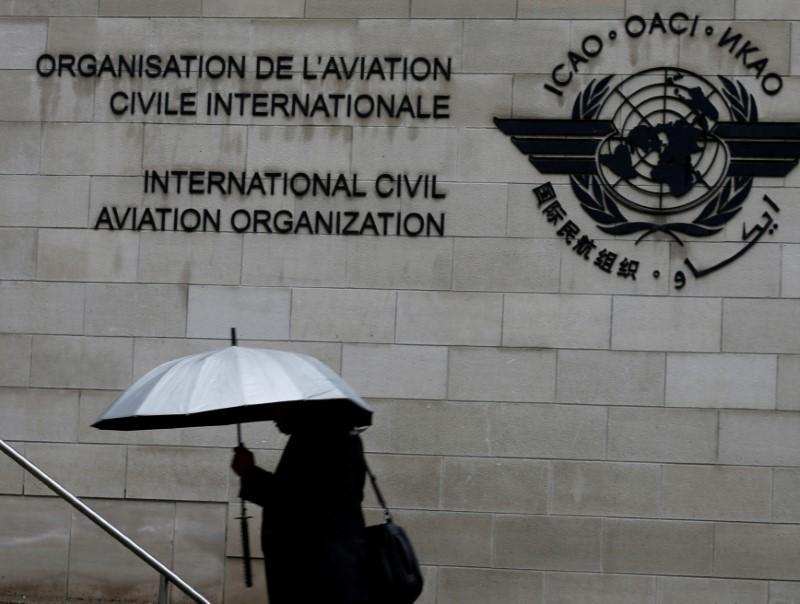
Doha, Qatar: Qatar is emerging not only as a major international transit hub but also as a leading force in global aviation policy and logistics, driven by liberalised air services agreements, active engagement with International Civil Aviation Organization (ICAO) frameworks, and closer alignment between aviation strategy and national economic objectives, stated aviation analyst and Ground Instructor at ICAO, Khamis Abdullah Alkhelaifi.
Speaking to The Peninsula on Qatar’s aviation strategy, Alkhelaifi said the country has “taken a clear and deliberate approach toward open skies-style agreements that prioritise unrestricted traffic rights and long-term network flexibility.” Among the key agreements concluded this year was the Qatar–Algeria Air Services Agreement, which allows airlines from both countries to operate unrestricted passenger and cargo flights. “This agreement strengthens bilateral ties and opens up new route opportunities for its national carrier into North Africa,” Alkhelaifi said.
Qatar also signed an ASA with Antigua and Barbuda, granting unlimited traffic rights and supporting the country’s expansion into the Caribbean. Similar unrestricted agreements were concluded with Cameroon and Dominica, expanding the country’s access to African and smaller island markets.
Alkhelaifi accentuated that these deals demonstrate Qatar’s strategy of “securing broad traffic rights with both major and emerging markets to future-proof its aviation network.” At the International Conference on Air Services Negotiations (ICAN 2025), the country further expanded its aviation diplomacy by signing additional ASAs and memoranda of understanding with countries including Uganda, Cabo Verde, Haiti, and Honduras, alongside cooperation agreements with Vietnam, South Africa, and Hong Kong.
“These agreements may not all translate into immediate routes, but they significantly expand future potential,” Alkhelaifi said. “They give Qatar Airways and designated carriers the flexibility to add destinations, increase frequencies, and carry more cargo as demand evolves.”


Manama: The General Command of the Bahrain Defense Force (BDF) revealed that its air defense systems have intercepted and neutralized 147 projectiles...

Doha, Qatar: Qatar Central Bank (QCB) has announced that all financial institutions in the country will resume on site work tomorrow, March 24, 2026....

Doha, Qatar: Prime Minister and Minister of Foreign Affairs HE Sheikh Mohammed bin Abdulrahman bin Jassim Al Thani received phone calls from Minister...

Doha, Qatar: Prime Minister and Minister of Foreign Affairs HE Sheikh Mohammed bin Abdulrahman bin Jassim Al Thani received phone calls from Minister...

Doha, Qatar: The Ministry of Interior has emphasized that proper utilization of designated charging spaces helps safeguard the rights of others and de...

Doha, Qatar: The Ministry of Interior has emphasized that proper utilization of designated charging spaces helps safeguard the rights of others and de...

Doha, Qatar: The Ministry of Interior has emphasised the importance of continuing to adhere to approved preventive measures and safety instructions as...

Doha, Qatar: The Ministry of Interior has emphasised the importance of continuing to adhere to approved preventive measures and safety instructions as...

Doha, Qatar: Employees in all ministries, other government entities, and public institutions will resume on site work tomorrow, Tuesday March 24, 2026...

Doha, Qatar: Employees in all ministries, other government entities, and public institutions will resume on site work tomorrow, Tuesday March 24, 2026...

Larissa, Greece: A long awaited trial opened Monday over Greece s worst train tragedy that killed 57 people in 2023, leaving the entire country in sho...

New York: A plane carrying dozens of people collided with a fire truck late Sunday on a runway at New York s LaGuardia airport, killing the pilot and...

Doha, Qatar: The price of gold has slid sharply, reaching its weakest level since December 11 2025, after logging its worst week in about 43 years....