Pregnant ER patients took less Tylenol after Trump's autism claims: study
USA TODAY
After a September 2025 press conference in which President Trump told pregnant women not to use Tylenol, usage dropped in ERs, a new study found.
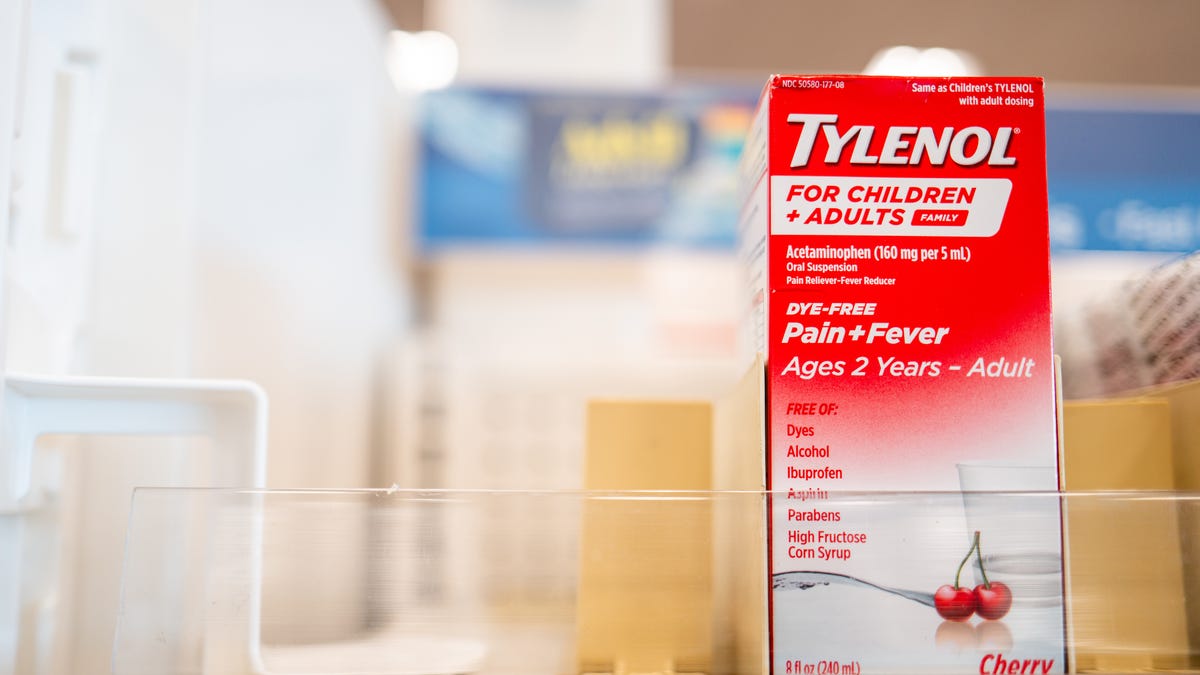
President Donald Trump's statements in September about Tylenol use during pregnancy and autism have likely had a real-world impact despite experts and years of evidence disproving any link, according to a new study.
After a Sept. 22 White House briefing, in which Trump, Secretary of Health and Human Services Robert F. Kennedy Jr. and other officials said they had found an "answer to autism" and told pregnant women to avoid taking Tylenol (the brand name for acetaminophen or paracetamol), emergency room orders for the drug took a noticeable downturn, according to research published March 5 in the medical journal The Lancet.
The study found that the use of acetaminophen to treat pregnant patients decreased by 10% in the months that followed the briefing, which attributed an increased risk of autism to Tylenol use during pregnancy, with limited evidence. There was no change in usage, however, for women of the same age who were not pregnant.
This noticeable downward trend in Tylenol orders began as quickly as the day after the conference, according to study co-author Dr. Michael Barnett, professor of health services, policy and practice at the Brown University School of Public Health.
"The rapidity of the response was surprising to us," he told USA TODAY. "Public officials’ words have power, and both the public and their clinicians shifted behavior immediately."


Trump pushes countries to help secure the Strait of Hormuz amid rising Middle East tensions and stalled international commitments.

The U.S. Postal Service faces massive losses and may run out of money next year, prompting a congressional hearing and debate over its priorities.

Illinois voters go to polls on March 17.


The Israeli military said the brother of the man who attacked a Michigan synagogue was a Hezbollah commander and was recently killed in an airstrike.

President Donald Trump encouraged TSA agents to \

As the war against Iran enters its third week, the White House says ground troops are 'not part of the plan.' Seasoned Kurdish fighters disagree.

Videos on social media showed a large fire and people throwing rocks through the windows of a building as voices shouted \

A law passed in 2025 making it tougher to claim Italian citizenship was upheld by the country's Constitutional Court.

FCC Chair Brendan Carr said news broadcasters coverage of Iran war could impact their license renewal.

The design was finalized in 2024, before Trump took office. The artist and U.S. Mint say it symbolizes the early U.S. quest for freedom from Britain.

The overnight strikes did not impact the islands oil infrastructure, U.S. and Iranian officials said.

Trump's recent executive order to increase the production of glyphosate might derail MAHA voters' support for the GOP, the movement’s leaders say.