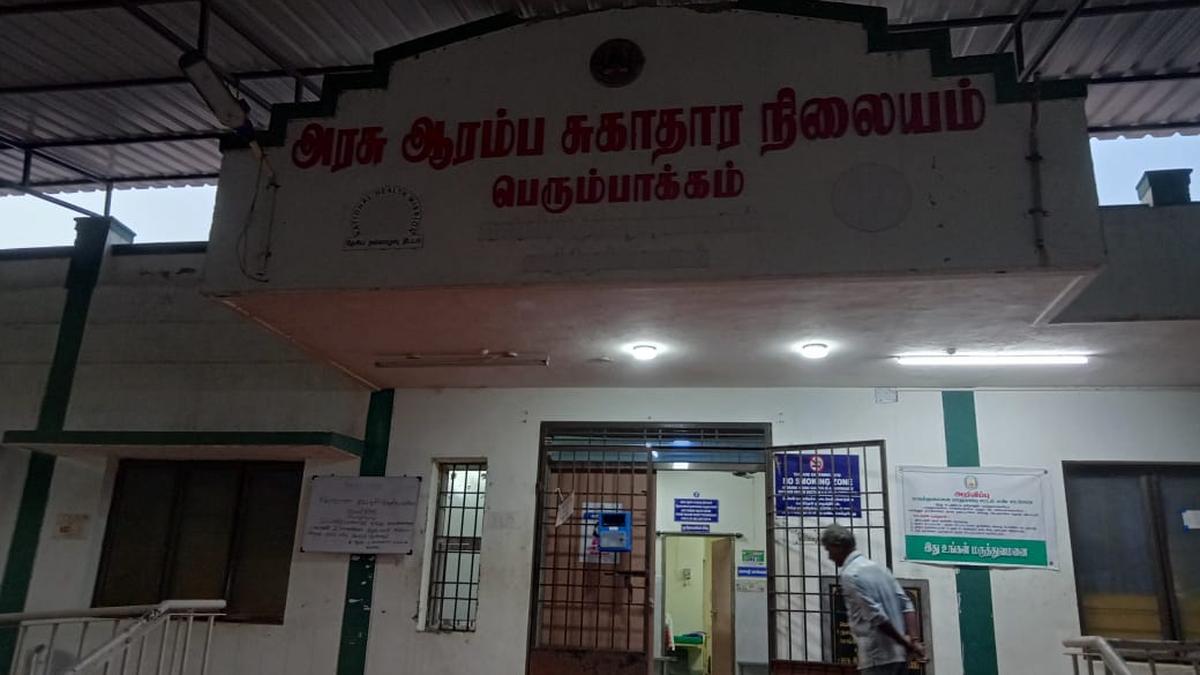
PHCs in Tamil Nadu being ranked to assess performance, track progress
The Hindu
TN ranks PHCs based on 20 indicators to assess performance & track progress. Sub-categories incl. upgraded, additional, urban & hilly PHCs. Indicators cover maternal & child health, non-communicable diseases, diagnostic gaps, new cases, antenatal reg., iron folic acid, immunisation & more.
Primary Health Centres (PHC) in the State are now being ranked based on 20 key indicators. This, according to officials, was to assess their level of performance as well as track progresses made over a period of time.
Tamil Nadu has a total of 2,127 PHCs. This is for the first time that the Directorate of Public Health (DPH) and Preventive Medicine has taken up such a ranking exercise for its health institutions.
“The aim of ranking PHCs is to have an objective quantifiable way to measure performance of the facilities instead of a subjective review. So, over a period of time, we will know the performance of PHCs and which areas need to be concentrated on,” T.S. Selvavinayagam, Director of Public Health and Preventive Medicine, said.
There are sub-categories of upgraded PHCs, additional PHCs, urban PHCs and those located in hilly areas. “The institutions will be ranked among the respective sub-category. As a preliminary step, we have come up with 20 parameters based on which the functioning of the PHCs will be measured. The parameters cover major areas such as maternal and child health and non communicable diseases,” he said.
The ranking exercise is being done on a monthly basis, he said, adding: “Once we review their progress, the gaps including human resource challenges will be known and we need to take suitable remedial measures. At the end of the day, every PHC should reach a particular threshold irrespective of the ranking so that the assured service is given to everyone.”
INDICATORS FOR RANKING
The 20 indicators enlisted for the ranking criteria include average outpatients/day/medical officer in position, in-patient/month for the institution, deliveries conducted per month, sterilisation performed/month/in functional operation theatres and average laboratory tests conducted per month. The diagnostic gap for hypertension (proportion of hypertension only cases diagnosed out of the expected prevalence as per STEPS 2020 - 23.4%), diagnostic gap for diabetes only (STEPS 2020 - 7.1%) and diagnostic gap for hypertension and diabetes (STEPS 2020 - 10.5%) were among the indicators considered for the measurement. STEPS is the World Health Organisation’s STEPwise approach to Non Communicable Disease risk factor surveillance.


The government plans to amend the FCRA, introducing new regulations for NGO asset management and accountability for key functionaries.

The draft policy for “Responsible Digital Use Among Students”, released on Monday by the Department of Health and Family Welfare, has recommended that parents set structured routines with clear screen-time rules and prioritise privacy, safety, and open conversation with children on digital well-being.

Police Observer Sushant Kumar Saxena conducts surprise inspection at Shencottai police station, reviewing warrants and security arrangements ahead of elections.

Andhra Pradesh government to launch key projects in April, focusing on industrial growth and infrastructure development, says Nara Lokesh.

Lok Sabha refers the Corporate Laws (Amendment) Bill to a JPC amid opposition concerns over CSR provisions dilution.

SHG members in Kanniyakumari use snakes and ladders to raise election awareness and boost voter turnout.

Government accelerates consultations for early implementation of the Women’s Reservation Act to ensure women’s representation in 2029 elections.

CM A. Revanth Reddy distributes ₹1 crore insurance cheques to families of deceased Electricity department employees, enhancing financial security for workers.

The Bengaluru Traffic Police (BTP) registered 634 cases of drunk driving during a week-long special enforcement drive conducted across the city between March 16 and March 22.

GHMC intensifies action against property tax defaulters, seizing properties and offering a One Time Settlement scheme for payments.

CCB arrests three drug peddlers in Mangaluru, seizing ₹2.5 lakh worth of MDMA and other valuables.

TVK's 28 candidates in Puducherry include former BJP MLAs, a sitting Independent, and a retired police IG.

BRS submits notice on private member bill to Speaker