Oil Prices Rise Sharply In Market Trading After Attacks In Middle East Disrupt Global Energy Supply
HuffPost
Attacks throughout the region could restrict countries’ ability to export oil to the rest of the world.
NEW YORK (AP) — Oil prices rose sharply when market trading began Sunday, as U.S. and Israeli attacks on Iran and retaliatory strikes against Israel and U.S. military installations around the Gulf sent disruptions through the global energy supply chain.
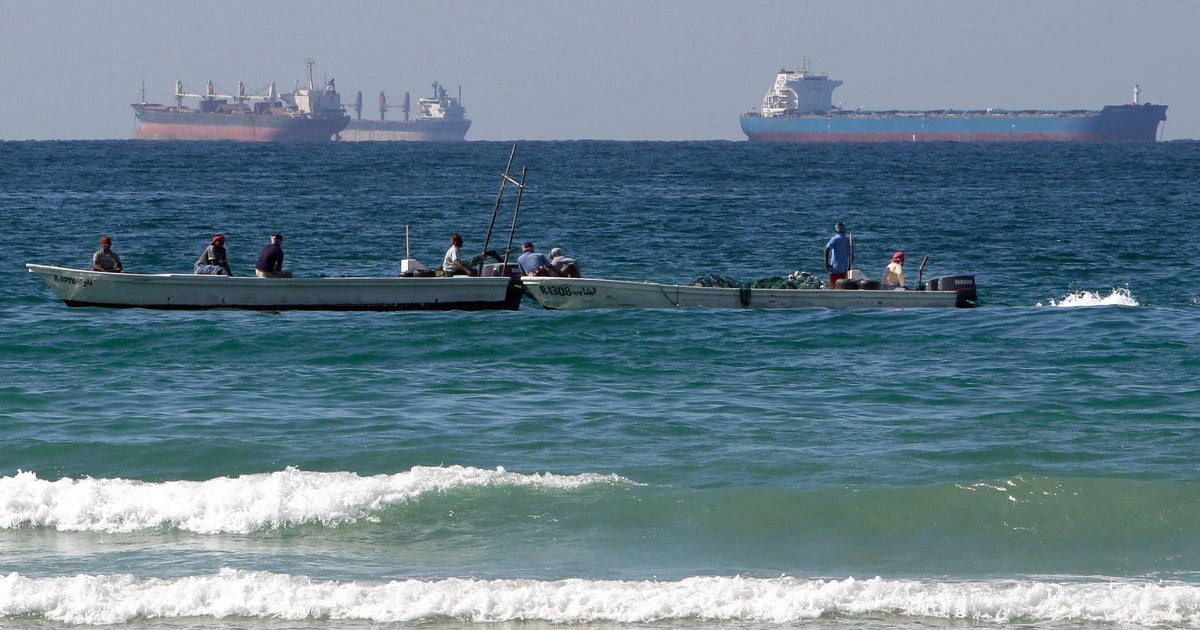
Traders were betting the supply of oil from Iran and elsewhere in the Middle East would slow or grind to a halt. Attacks throughout the region, including on two vessels traveling through the Strait of Hormuz, the narrow mouth of the Persian Gulf, could restrict countries’ ability to export oil to the rest of the world. That would likely result in higher prices for crude oil and gasoline, according to energy experts.
West Texas Intermediate, the light, sweet crude oil produced in the United States, was selling for about $72 a barrel Sunday night, up around 8% from its trading price of about $67 on Friday.
Roughly 15 million barrels of crude oil per day — about 20% of the world’s oil — are shipped through the Strait of Hormuz, making it the world’s most critical oil chokepoint, according to Rystad Energy. Tankers traveling through the strait, which is bordered in the north by Iran, carry oil and gas from Saudi Arabia, Kuwait, Iraq, Qatar, Bahrain, the UAE and Iran.
Iran had temporarily shut down parts of the strait in mid-February for what it said was a military drill. Further disruptions to that shipping channel could lead to lower supply and higher prices for oil.


Rahman, who was Rep. Ilhan Omar’s guest, suspects her unprecedented punishment was related to her testifying to Congress about her brutal ICE detention in Minneapolis.

President Donald Trump told Axios it will take Iranians "several years to recover from this attack."

The administration’s latest escalation is boosting the global view of the U.S. as a rogue actor, fueling instability, acting illogically and illegally and risking innocent lives.