Nvidia's AI chip demand to face limited impact from potential production delay, analysts say
The Hindu
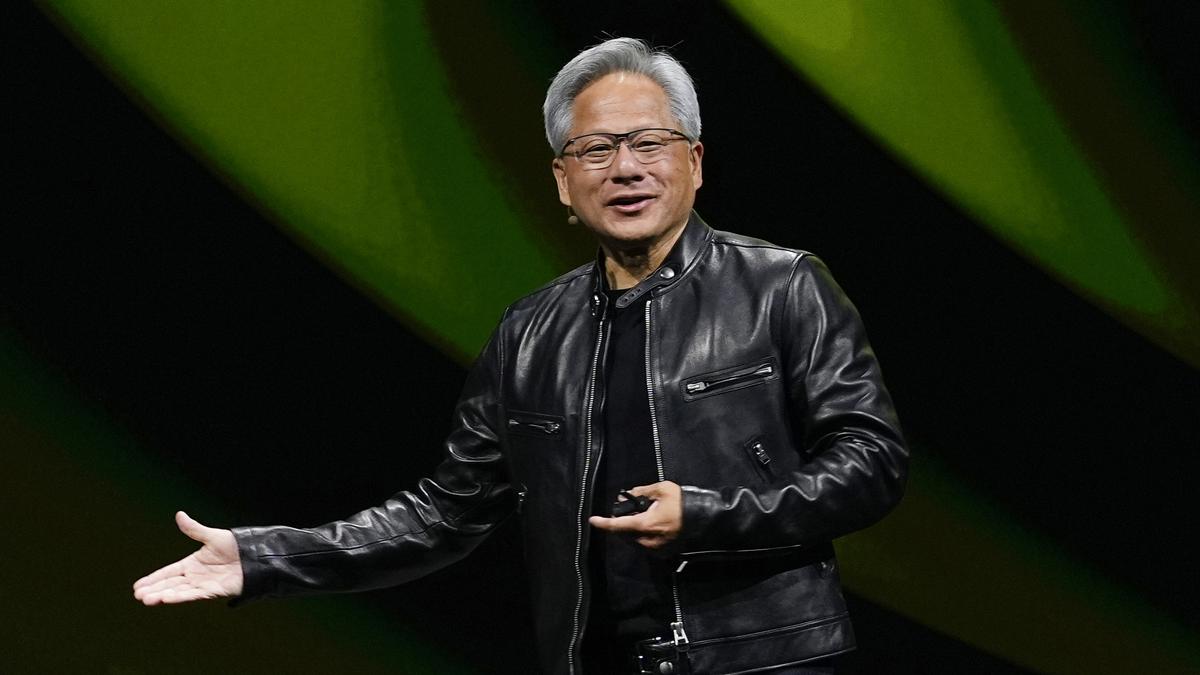
Nvidia CEO Jensen Huang had said in May its latest Blackwell series of AI chips was set to ship in the second quarter.
Worries over a delay in the launch of Nvidia's upcoming artificial-intelligence chips may be exaggerated, analysts said, as they do not expect the setback to have a big impact on the chip giant's revenue or demand.
According to media reports, Nvidia's Blackwell chips may face delays of three months or more due to design flaws, potentially affecting customers such as Meta Platforms, Alphabet's Google and Microsoft.
Despite recent worries, "it remains clear that demand levels continue to rise, with all major hyper-scalers continuing to grow their capex outlooks," Bernstein analyst Stacy Rasgon wrote in a note on Monday.
In the event of a delay, sales of Nvidia's older "Grace Hopper" chips should help to fill the gap, Rasgon added.
(Unravel the complexities of our digital world on The Interface podcast, where business leaders and scientists share insights that shape tomorrow’s innovation. The Interface is also available on YouTube, Apple Podcasts and Spotify.)
"Nvidia's competitive window is so large right now that we don't think a three-month delay will cause significant share shifts."
Nvidia, which commands more than 80% of the AI chip market, stands in a unique position as both the largest enabler as well as beneficiary of surging AI development.


Erran Berger, the Vice President of Product Engineering at LinkedIn, thinks the former type of division of labour is rapidly disappearing

India mandates oil and gas firms to share import and export data to mitigate consumer shortages amid rising global prices.

HDFC Bank's chairman Atanu Chakraborty resigns over ethical concerns; Keki Mistry appointed interim chairman for three months.

Stock markets continue to rise for the third day as Sensex and Nifty gain nearly 1%, fueled by IT stocks.

Indian-flagged vessels in the Strait of Hormuz carry 2 lakh MT LNG and 16.7 lakh MT crude, amidst geopolitical tensions.

Equity analysts downgrade earnings forecasts for oil marketing companies, citing rising costs and market pressures for fiscal 2027.

Plastic product prices may surge by 50-60% in April due to rising polymer costs amid ongoing geopolitical tensions.

Centre offers 10% more LPG to States that accelerate piped gas rollout amid ongoing supply challenges and increased consumer demand.

Indian-flagged vessels in the Strait of Hormuz carry 2 lakh MT LNG and 16.7 lakh MT crude, amidst geopolitical tensions.

Stock markets continue to rise for the third day as Sensex and Nifty gain nearly 1%, fueled by IT stocks.

Rising oil prices and LPG shortages are driving India's shift to electric cooking, offering cost-effective and energy-efficient alternatives.

The rupee fell to a record low of 92.63 against the dollar, while equities surged with Sensex up 633.29 points.

Alibaba is sharpening its artificial intelligence strategy by focusing on agents that connect the many businesses under its sprawling corporate umbrella.