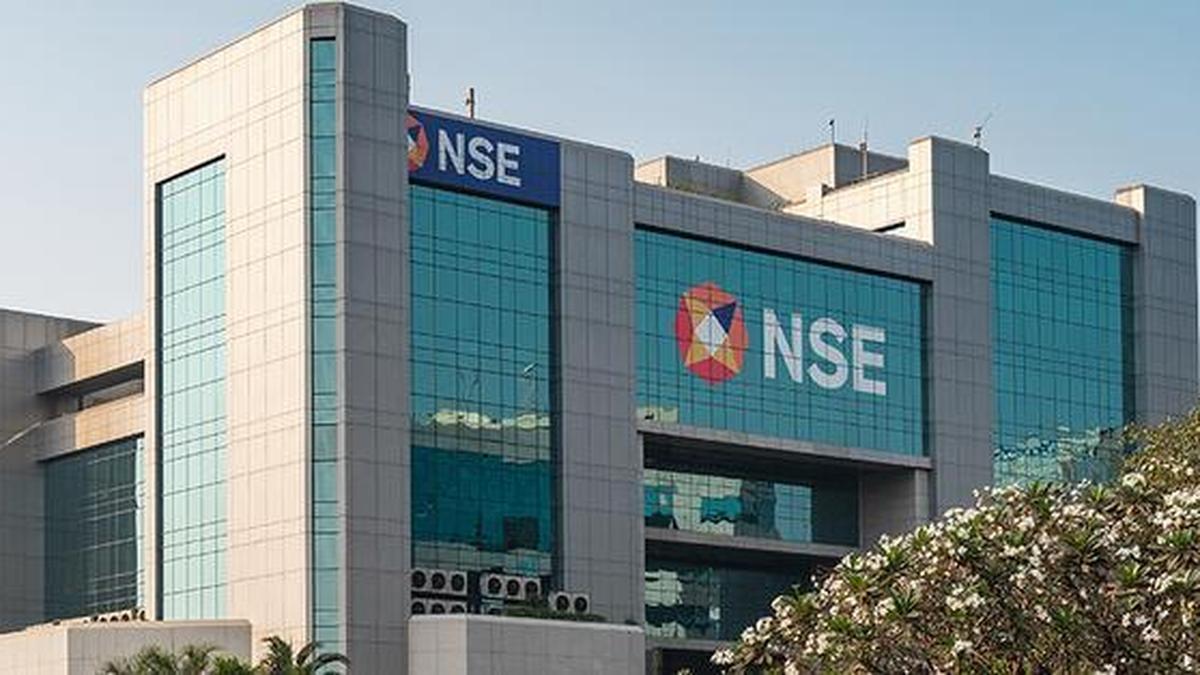
NRIs hold 0.6% of all NSE listed companies, even as Budget 2026 hiked their limit to 10%
The Hindu
Budget 2026 raises NRI investment limits to 10%, despite NRIs holding only 0.6% of NSE-listed companies.
The Union Budget 2026-27 extended limits on Non-Resident Indian (NRI) shareholding in Indian companies, even as NRIs held less than 1% of shares in all the companies listed on the National Stock Exchange (NSE) in the past three fiscal years.
As of the third quarter of fiscal 2025-26, NRIs owned just 0.62% of the shares of NSE-listed companies, according to data from Prime Database. The largest share the cohort held in the over 2600 companies in the largest index in India was just 0.64% in June quarter of fiscal 2025. The smallest share held by NRIs was 0.57% in December quarter of fiscal 2022. The share did not change despite changing quarterly returns of the Nifty 500 index in the past three years.
Further, none of the Nifty 50 ,which is the 50 most representative companies of corporate India, were in the list of 20 companies with the most NRI shareholding.
Foreign investment limit by NRIs is delineated under the Portfolio Investment Scheme which was brought in under the Foreign Exchange Management Act in 2000. The limits were fixed at 5% per NRI and 10% for all NRIs put together. Investments above 10% were allowed up to 24% with RBI approval. Under the Union Budget 2026-27 the limits were increased to 10% and 24% respectively without any approval. The change was brought-in to “ease doing business.”
While this does create opportunities for NRIs to invest, experts are more cautious. “Generally we believe it is unlikely that individual NRIs will hold 5% or 10% of a company,” said Nitin Jain, CEO and Director, Kotak Mahindra Asset Management Singapore. However the increase in the aggregate holding of NRIs upto 24% should be seen as a good move as it will provide for more headroom for aggregate participation in Indian companies by NRIs, Mr.Jain said.
The members of the diaspora are often seen being enthusiastic during Prime Minister Narendra Modi’s foreign visits. On the contrary, the data regarding their economic interest in India is in contrast to their vocal support


Markets fall 2% as Israel attacks Iran’s South Pars gas field, pushing Brent crude above $112 and rupee below ₹93.

HDFC Bank shares drop over 4% following chairman’s ethical resignation, raising insider trading and management concerns.

Erran Berger, the Vice President of Product Engineering at LinkedIn, thinks the former type of division of labour is rapidly disappearing

India mandates oil and gas firms to share import and export data to mitigate consumer shortages amid rising global prices.

HDFC Bank's chairman Atanu Chakraborty resigns over ethical concerns; Keki Mistry appointed interim chairman for three months.

Stock markets continue to rise for the third day as Sensex and Nifty gain nearly 1%, fueled by IT stocks.

Indian-flagged vessels in the Strait of Hormuz carry 2 lakh MT LNG and 16.7 lakh MT crude, amidst geopolitical tensions.

Equity analysts downgrade earnings forecasts for oil marketing companies, citing rising costs and market pressures for fiscal 2027.

Plastic product prices may surge by 50-60% in April due to rising polymer costs amid ongoing geopolitical tensions.

Centre offers 10% more LPG to States that accelerate piped gas rollout amid ongoing supply challenges and increased consumer demand.

Indian-flagged vessels in the Strait of Hormuz carry 2 lakh MT LNG and 16.7 lakh MT crude, amidst geopolitical tensions.

Stock markets continue to rise for the third day as Sensex and Nifty gain nearly 1%, fueled by IT stocks.

Rising oil prices and LPG shortages are driving India's shift to electric cooking, offering cost-effective and energy-efficient alternatives.