Nova Scotia to speed up environmental reviews for clean energy projects
Global News
Nova Scotia is moving to speed up its environmental review process for a number of clean energy projects.
The Nova Scotia government is accelerating the environmental review process for a number of clean energy projects to meet its climate goals and get off coal by 2030.
Under changes announced Thursday, large biomass, biogas and clean fuel projects have been changed to Class 1 from Class 2, meaning they can be approved within 50 days. The more rigorous Class 2 assessment, which can take more than two years, is now reserved for projects such as pulp mills, cement plants, incinerators and large energy plants.
The government is also classifying small modular reactor projects, previously not covered by regulations, as Class 1, a designation that had previously been reserved for renewable projects involving wind, tidal and solar energy, as well as for biofuels, mines, quarries and alterations to large wetlands.
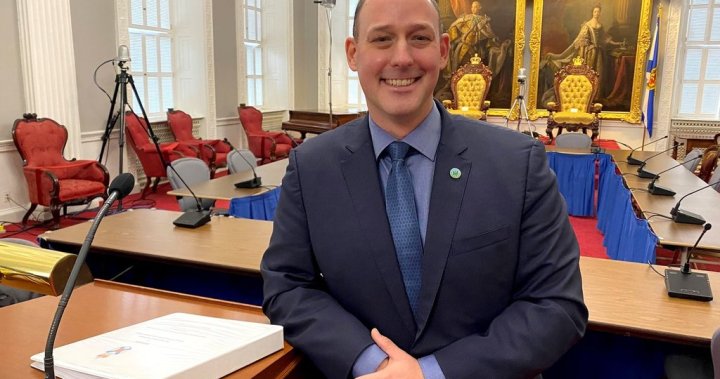
Environment Minister Tim Halman says the province has committed to reaching net zero greenhouse gas emissions by 2050.
“Without the ability to build faster we will not be able to meet our climate change and energy security commitments,” said Halman. “These changes are intended to speed up our transition to clean energy, fight global climate change and support sustainable development.”
Under the changes, small wood biomass projects will now be exempt from the environmental review process and will be managed through the Environment Department’s industrial approval process.
Meanwhile, the province is extending the Class 1 consultation period for members of the public and Mi’kmaq communities by 10 days, for a total of 40 days, while the entire assessment period remains at 50 days.
As well, companies will also have to provide a “plain language” summary of a proposed project’s benefits and impacts, and the government will include new “plain language” guidance for companies on the environmental review process, which will include climate change as a factor to be considered before a minister approves a project.


Some experts say that a cyberwar through 'proxies' may be the next stage of the Iran war, with civilian infrastructure also coming under threat.

The study is being billed by the university as "the first to study a wide range of factors which link ADHD symptoms and mental ill health symptoms over time."

The group says MAGA Energy hasn't paid its lease for three years, and therefore the company is no longer allowed on their land in Edmonton.

The analysis by the Canadian Climate Institute says oilsands producers will pay an average of about 50 cents per oil barrel, if the minimum carbon price rises to $130 per tonne.

Between November 29 and February 27, authorities recorded 406 outbreaks of bird flu in domestic birds in 32 European countries and 2,108 outbreaks in wild birds, they said.

Dr. Michael Domeier, director of the Marine Conservation Science Institute, told Global News that they tag the adult females as they are the most interesting.

Regina’s recycling contamination is currently triple the limit and city is urging resident to change sorting habits now to avoid citywide fines and higher resident fees.

The study found that higher ultra-processed food intake at age three years was associated with adverse behavioural and emotional symptoms at age five years.

Edmonton's single-use waste rules were controversial and unpopular when introduced in 2023 — but new data shows the changes are having the intended effect of reducing garbage.

Carney's speech to Australia's parliament highlighted a soon-to-launch Canadian low earth orbit satellite network that experts say could soon compete with Elon Musk's Starlink.

The Pentagon said in a statement Thursday that it has “officially informed Anthropic leadership the company and its products are deemed a supply chain risk, effective immediately.”

Opioid overdose deaths in Canada are falling, but there's growing concerns on a certain veterinary tranquilizer being cut into fentanyl and other opioids.

The product is being recalled in Alberta, British Columbia, Manitoba, Ontario, Quebec and Saskatchewan due to 'undeclared almonds' being found.