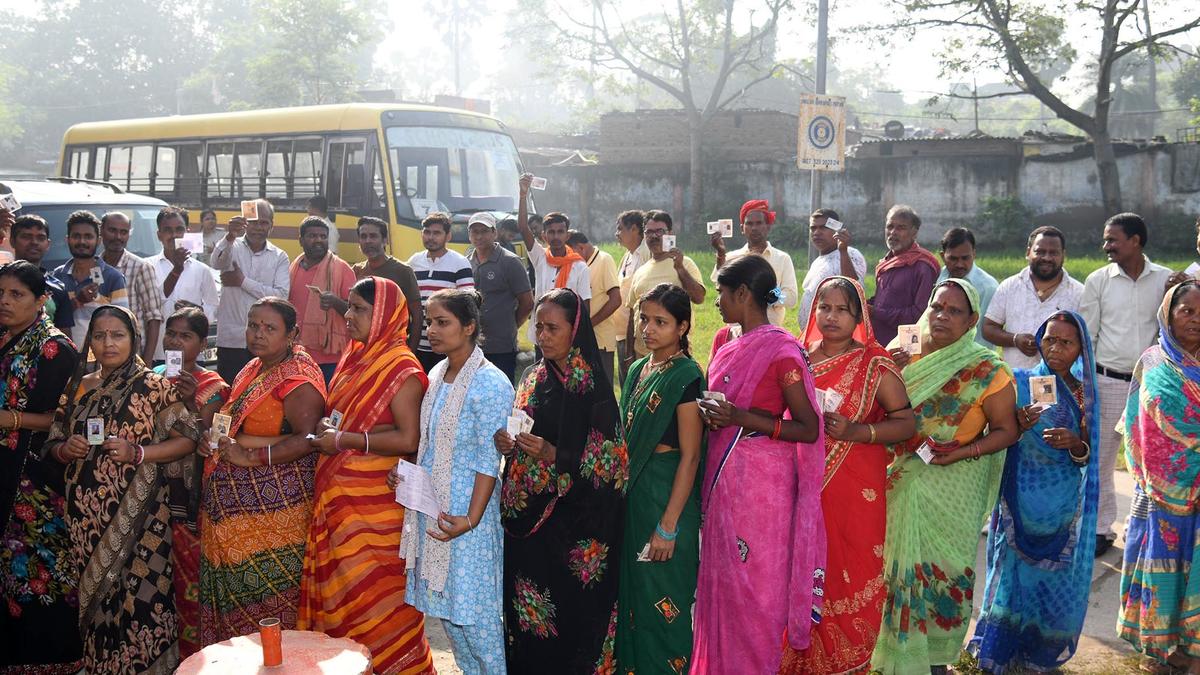
Nation-states are past their democratic peak, says Rana Dasgupta
The Hindu
Rana Dasgupta discusses the decline of nation-states, exploring new political models and the future of global community.
More than 99% of humanity lives in nation-states. But nations are less than 200 years old, and today many countries are sliding into xenophobia, debt and a cost of living crisis. With the liberal ideas that underpinned the nation-state system human rights, dignity, security for all — in retreat, millions are feeling abandoned by the nation-state, and turning to cross-border migration in desperation.
Rana Dasgupta
At the same time, nation-states are proving ill-equipped to handle urgent planetary threats such as climate change and ecological collapse. Is the nation-state system in decline? Will it be, or can it be, replaced by a new system?
Novelist and essayist Rana Dasgupta explores these themes in ‘After Nations: The Making and Unmaking of a World Order’, a fascinating historical and political analysis of the nation-state. He spoke to Sunday Magazine about his new book, and what a ‘post-nation’ future might look like. Excerpts:
You began as a novelist, switched to reported nonfiction, and your new book is a world historical analysis of the nation-state. What prompted this transition?
All of my work is in some ways about forms of community that are not the nation. In my first book, Tokyo Cancelled, a lot of travellers were stuck together in an airport, and they started telling stories. The idea of being in an airport is that they’re not in any national space, particularly. It was my attempt to create an image of what a global culture – of storytelling, of cosmopolitanism – might look like. So, some of my intellectual concerns have remained constant. But as a writer, you’re constantly looking for new ways to tell the story you want to tell. And as I’ve gotten older, or as the world has become more strange, I’ve felt the need to speak to the reader directly, rather than to invent stories about this.


PM Modi and President Murmu extend Eid-ul-Fitr greetings, promoting unity, harmony, and compassion for a progressive nation.

Security forces in Manipur seized 29 firearms and 50 IEDs during operations amid ongoing ethnic violence.

A data jam on March 28 by OpenCity will have participants studying how the Assembly constituencies in and around Chennai are faring on a set of parameters

Matheesha Pathirana will miss the start of IPL 2026, while Harshit Rana's participation remains uncertain for KKR.

Shashi Tharoor advocates for peace in the West Asia conflict, emphasizing the urgent need for de-escalation and international cooperation.

Assembly polls 2026: Follow updates from The Hindu on the upcoming elections in five States, on March 21, 2026

Maharashtra women's panel chief resigns amid controversy over ties to rape-accused godman, facing political pressure and public backlash.

India's Iran policy could be shaped by the evolving dynamics of the U.S.–Israel war

Will G. Sudhakaran's independent run disrupt the Left's stronghold in Ambalappuzha and reshape Kerala's political landscape?

The Hindu Morning Digest gives a select list of stories to start the day. Read the top news today on March 21, 2026

Manjeswaram gears up for a tightly contested Kerala Assembly election in 2026, featuring key candidates from UDF, NDA, and LDF.

Thirty-three detained Bangladeshi nationals from Tamil Nadu are being deported to Bangladesh via West Bengal with police escort.

Tree felling for a flyover and underpass on the Manikonda-Hitech City stretch sparks outrage as Hyderabad’s road expansion drives another green loss.