Nanthancode case sheds light on family dynamics and mental health
The Hindu
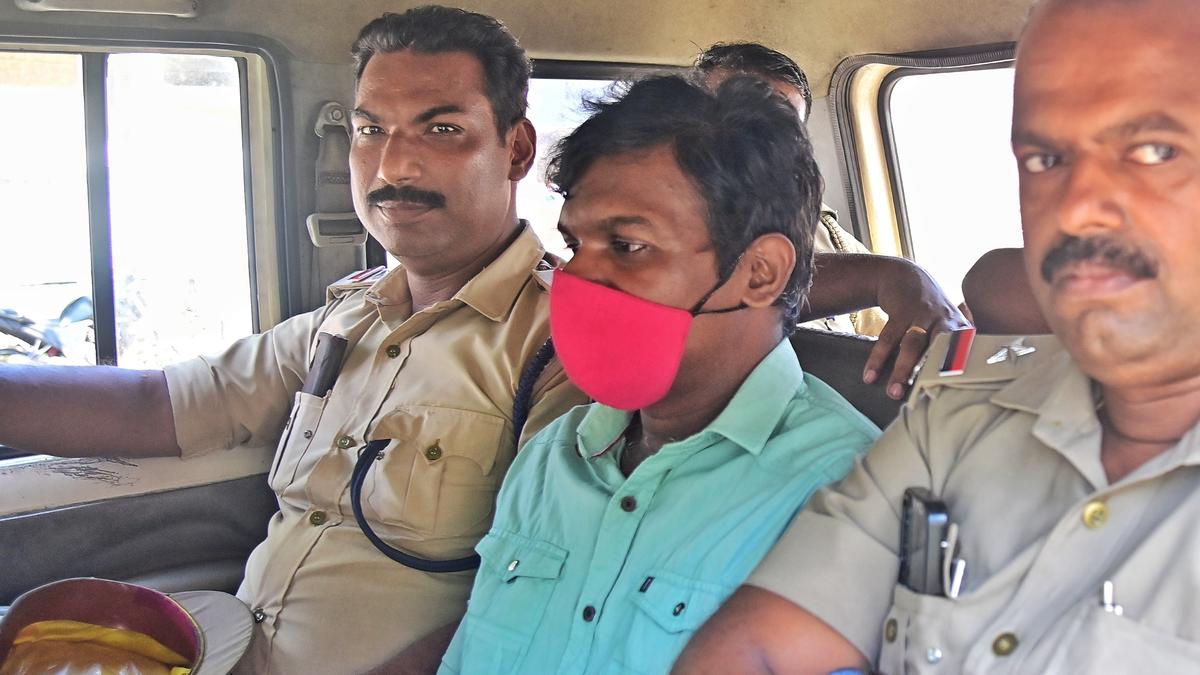
The Nanthancode case has brought renewed attention to the complex dynamics of dysfunctional families and the society’s role in preventing such crimes.
The Nanthancode case has brought renewed attention to the complex dynamics of dysfunctional families and the society’s role in preventing such crimes. The case also throws a sharp light on the prevalent misconceptions surrounding mental illness within the context of criminal justice.
While the convict, Cadell Jeansen Raja, initially attempted to explain his horrific actions by claiming experimentation with ‘astral projection’, a spiritual belief in the separation of consciousness from the body, the investigators swiftly debunked this as a deliberate attempt to mislead the probe.
Ultimately, the investigative team concluded that deep-seated resentment and loneliness fuelled Cadell’s rage. He harboured frustration stemming from feeling like an underachiever within his family.
Special Public Prosecutor Dileep Sathyan shed light on the family’s detached lifestyle. “The family led a socially reclusive lifestyle and lacked bonding among themselves,” he says. Revealing the extent of their isolation, he added that the family members often communicated via mobile phone chats even within the confines of their home, even for mundane matters like having meals.
“Cadell was also driven by intense hatred for his father, whose excessive alcoholism after retirement led him to vent his frustration on his son,” the advocate said.
Noted psychiatrist and the Head of the Department of Psychiatry in Government Medical College, Kollam, G. Mohan Roy, who had evaluated Cadell’s mental health at various stages of the investigation, believes the verdict will provide crucial clarity to the ongoing debate surrounding mental health and its legal implications in criminal cases.
Referring to Section 84 of the Indian Penal Code (or Section 22 of Bharatiya Nyana Sanhita), which pertains to the defence of insanity, Dr Roy clarifies that legal immunity applies only if the individual, at the time of the crime, was incapable of understanding the nature of their actions or distinguishing right from wrong due to an unsound mind.


Mettur Dam's water level is at 82.83 feet, with an inflow of 384 cusecs and discharge of 800 cusecs.

Lebanon expels Iran's ambassador, declaring him persona non grata, while maintaining a Charge d'Affaires at the embassy.

Sunny Joseph accuses Pinarayi Vijayan of targeting Rahul Gandhi as part of a political deal with the BJP.

AIADMK faces perception challenges and electoral setbacks in Tamil Nadu, struggling to maintain its traditional stronghold and voter base.

Sunny Joseph accuses Pinarayi Vijayan of targeting Rahul Gandhi as part of a political deal with the BJP.

Mahesh Dattani and Jonathan Taikina Taylor collaborate play, ‘The Monk & The Warrior’, to be staged at Mumbai’s Experimental Theatre from April 2 to 5

NHAI's rooftop solar plants on three toll plazas generate 521 daily units, saving 1.87 lakh conventional power units annually.

Congress criticises PM Modi's Rajya Sabha statement on West Asia, calling it a "self-praise" prepared text without Opposition clarification

Kerala has 2.71 crore voters for the April 9 Assembly polls, with 2,040 polling stations marked as critical.

Garbage collection resumes in Bengaluru amid contractor disputes over payment delays and new waste segregation rules by BSWML.

Hyderabad faces traffic challenges due to rising vehicle numbers; government appoints international consultant for effective infrastructure solutions.

Discover the Delhi Capitals' IPL 2026 player roster, schedule, and support staff as they pursue their first championship.

Sanya Malhotra and Aditya Rawal have started shooting for their upcoming romantic-thriller, Sundar Poonam.